 English
 中文简体
中文简体 日本語
日本語 русский
 عربى
عربى Український
 Español
 Français

500 kg/h Potato Chips Line Equipment List Explained
A complete potato chips factory is composed of multiple processing stages.
Raw Potato Receiving
The receiving system stabilizes potato flow into the factory.
It may include:
* hopper;
* belt conveyor;
* elevator;
* pre-sorting.
Washing
Washing removes soil and foreign material before peeling.
Peeling
Industrial peeling methods may include abrasive or steam peeling depending on capacity and project requirements.
Inspection
Damaged, green or defective potatoes should be removed before slicing.
Slicing
The slicer controls:
* slice thickness;
* uniformity;
* shape.
Thickness directly affects frying time and texture.
Starch Removal
Surface starch should be controlled to prevent sticking and improve frying performance.
Blanching
Blanching may influence:
* sugar level;
* color;
* texture;
* final product consistency.
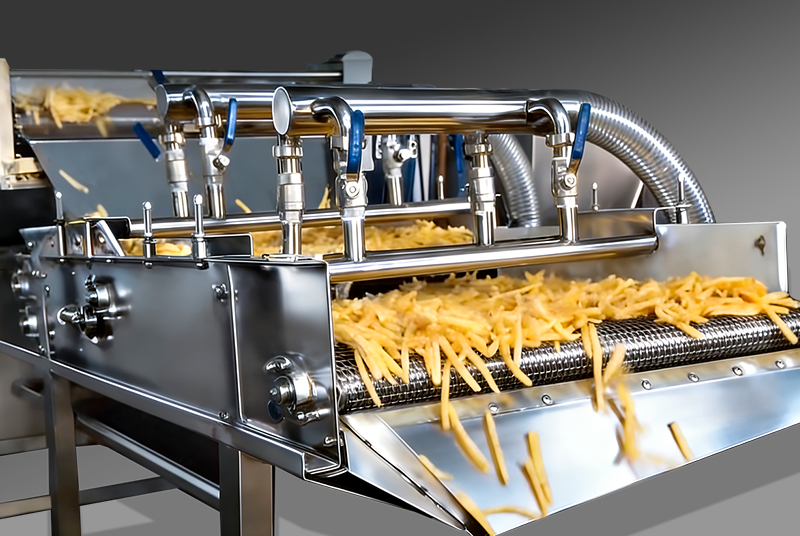
Dewatering
Excess surface water should be removed before frying to reduce unnecessary fryer load.
Continuous Fryer
The fryer controls the critical transformation from raw potato slice to finished chip.
Important variables include:
* oil temperature;
* residence time;
* product loading;
* oil circulation;
* oil quality.
Oil Filtration
Continuous crumb removal helps maintain oil quality.
Deoiling
Excess surface oil can be reduced after frying.
Seasoning
Seasoning should distribute powder or flavoring uniformly without creating excessive product breakage.
Cooling
Cooling helps stabilize product before packaging.
Weighing and Packaging
The final system may include:
multihead weigher
→ bagger
→ nitrogen flushing
→ metal detection
→ checkweigher
→ secondary packaging
The complete equipment list should be designed as one integrated system rather than purchased as unrelated machines.
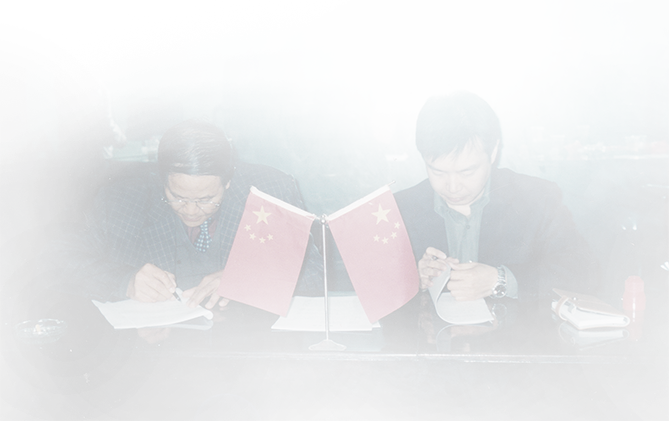
A historic signing moment from the 1970s, when HG’s founder helped drive the development of China’s food industry and began expanding into international markets.
Over the past decades, we have participated in the evolution of automated food production — from local factories to global turnkey projects across 100+ countries. That experience continues to shape every HG production line today.
Discover Our Heritage
Global Food Machinery &
Turnkey Factory Solutions

Building Long-Term Partnerships Through Shared Growth and Industrial Value.
Copyright © HG Industry Group All Rights Reserved
Food Machine Snack Food Processing Machinery

Unauthorized use of this website's content constitutes copyright infringement and may result in legal action.