 English
 中文简体
中文简体 日本語
日本語 русский
 عربى
عربى Український
 Español
 Français

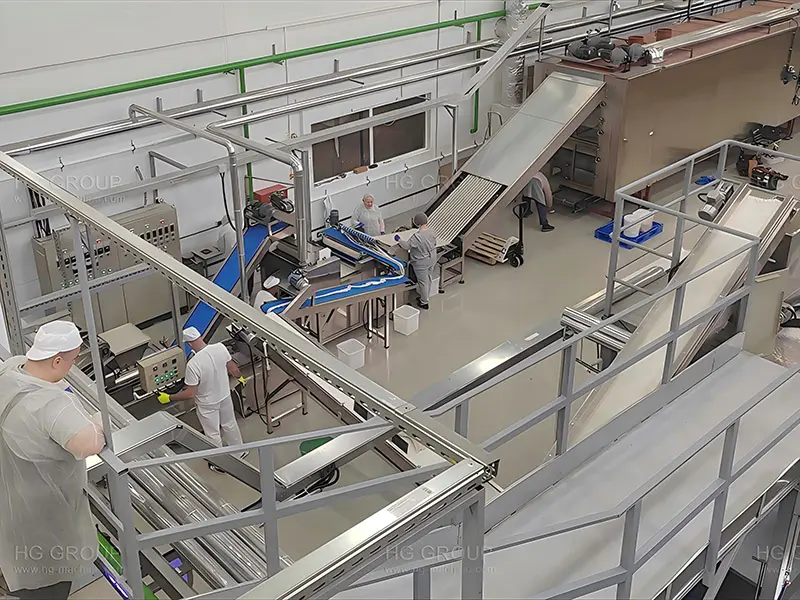
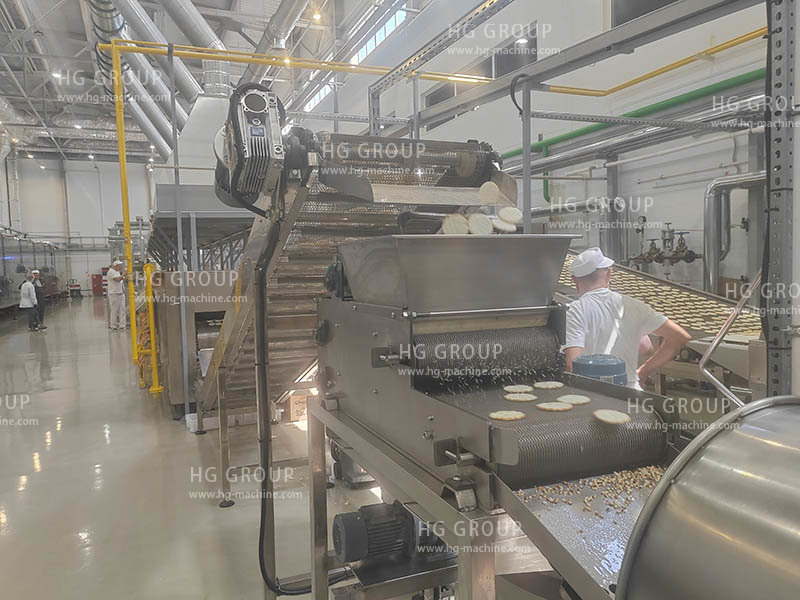
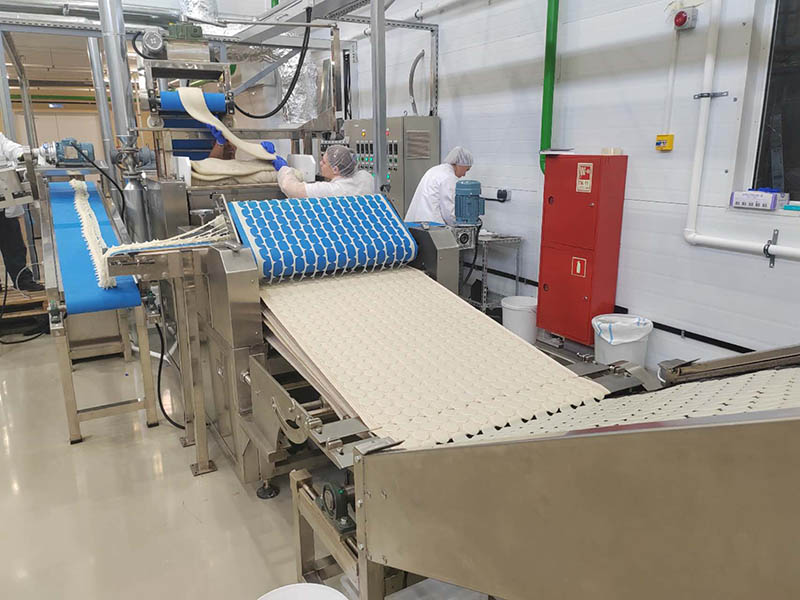
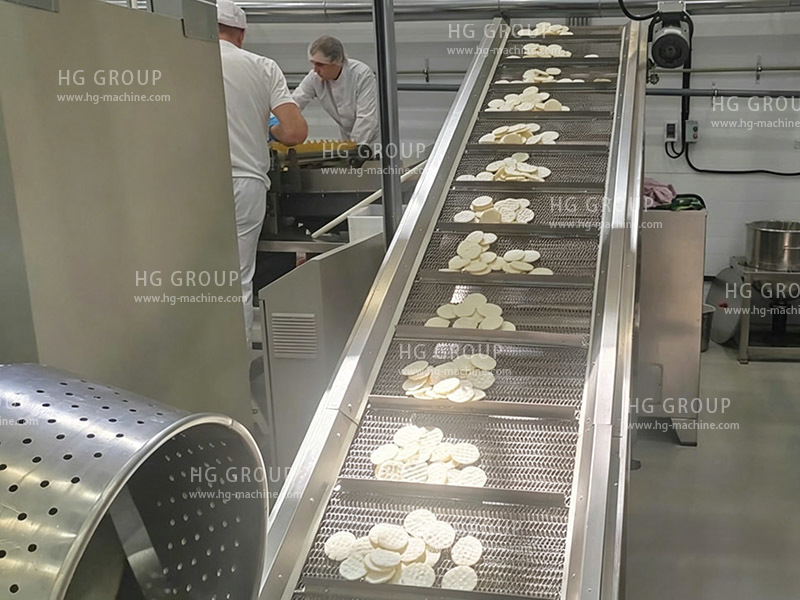
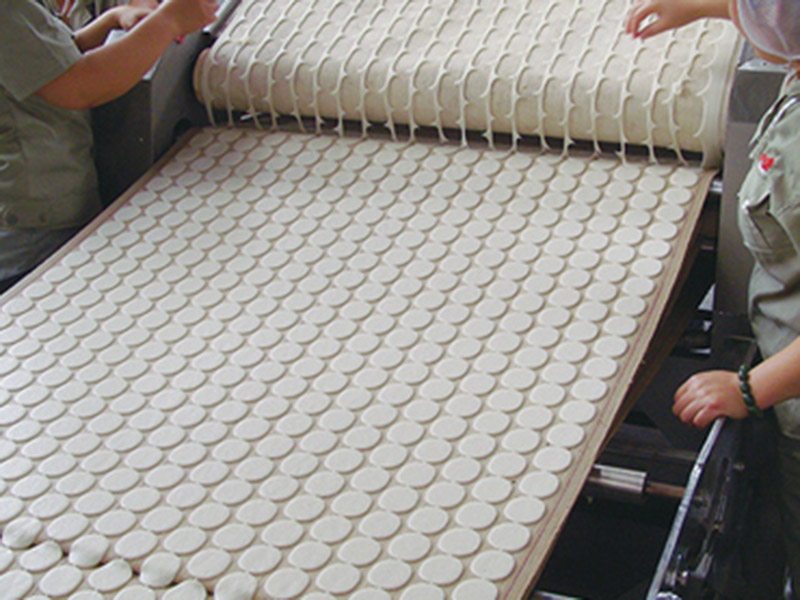
HG Automatic Snow Rice Cracker Production Line
Fully Automatic Industrial Snow Rice Cracker Processing Solution
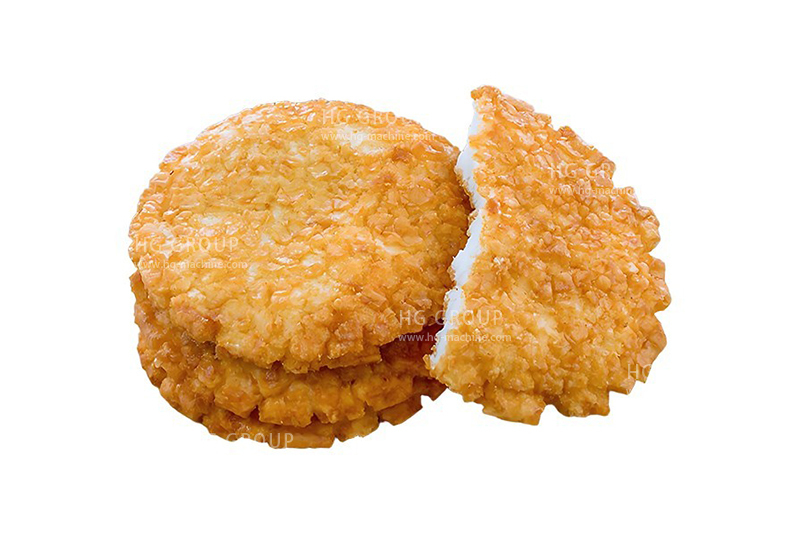
HG Group Automatic Snow Rice Cracker Production Line is a fully automatic food processing solution designed for manufacturing high-quality snow rice crackers, rice snacks, puffed rice cakes, Japanese-style rice crackers, and crispy rice snack products for industrial food factories and global snack food brands.
The production line can automatically complete rice mixing, steaming, pressing, shaping, drying, baking or frying, seasoning, cooling, and packaging processes, producing rice crackers with crispy texture, uniform shape, stable moisture content, and consistent product quality.
With the increasing global demand for healthy snack foods and Asian rice snack products, snow rice crackers have become highly popular in supermarkets, convenience stores, export snack food markets, and branded food chains. HG combines advanced snack food processing technologies with decades of food machinery manufacturing experience to provide stable, energy-efficient, and highly automated rice cracker production solutions for modern food factories.
The entire production line is manufactured with 304 food-grade stainless steel and equipped with international-brand electrical components to ensure hygienic production, stable operation, and long machine service life.
Main Process of Snow Rice Cracker Production
The HG Automatic Snow Rice Cracker Production Line mainly includes:
* Rice mixing system
* Steaming system
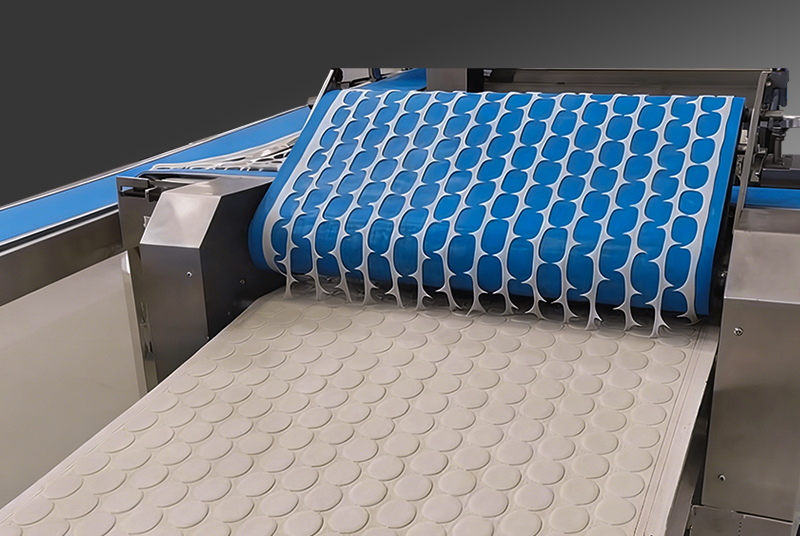
* Rice pressing system
* Forming system
* Cutting system
* Drying system
* Baking or frying system
* Seasoning system
* Cooling conveyor system
* Packaging system
The complete production process is controlled by PLC automatic control systems to ensure stable operation and high production efficiency.
Advantages of HG Snow Rice Cracker Production Line
1. Fully Automatic Production
The entire production line realizes:
* Automatic rice feeding
* Automatic mixing
* Automatic steaming
* Automatic pressing
* Automatic forming
* Automatic drying
* Automatic baking or frying
* Automatic seasoning
* Automatic packaging
This greatly reduces labor costs and improves production efficiency.
2. Stable Product Quality
HG adopts advanced rice snack processing technology to ensure:
* Crispy texture
* Uniform cracker size
* Stable moisture control
* Consistent seasoning effect
* Consistent final product quality
Suitable for industrial continuous production.
3. Flexible Product Solutions
HG snow rice cracker production lines can produce:
* Snow rice crackers
* Japanese rice crackers
* Senbei rice crackers
* Puffed rice cakes
* Crispy rice snacks
* Flavored rice crackers
* Customized rice snack products
Different product shapes and sizes can be customized according to customer requirements.
4. Healthy Snack Food Processing
Rice crackers are increasingly popular due to:
* Lower oil content options
* Gluten-free snack potential
* Crispy texture
* Asian snack food trends
* Healthier snack positioning
Suitable for modern snack food markets.
5. Hygienic Food-Grade Design
All food-contact parts are manufactured with 304 food-grade stainless steel, complying with international food hygiene standards and ensuring easy cleaning and maintenance.
6. Intelligent PLC Control System
HG adopts intelligent PLC control systems and energy-saving processing technology to improve operational stability and reduce energy consumption.
Packaging Solutions
HG provides complete packaging solutions, including:
* Pillow packing machine
* Vertical packing machine
* Automatic feeding system
* Automatic arranging system
* Automatic cartoning system
Suitable for supermarkets, convenience stores, export markets, and branded snack food products.
HG Turnkey Factory Solution
HG provides complete turnkey factory solutions, including:
* Factory layout design
* Machine manufacturing
* Installation & commissioning
* Engineer training
* Recipe support
* Packaging solutions
* Long-term after-sales service
* Spare parts support
HG engineers can also help customers optimize:
* Rice cracker texture
* Seasoning formulas
* Drying processes
* Production efficiency
* Packaging solutions
Global Project Experience
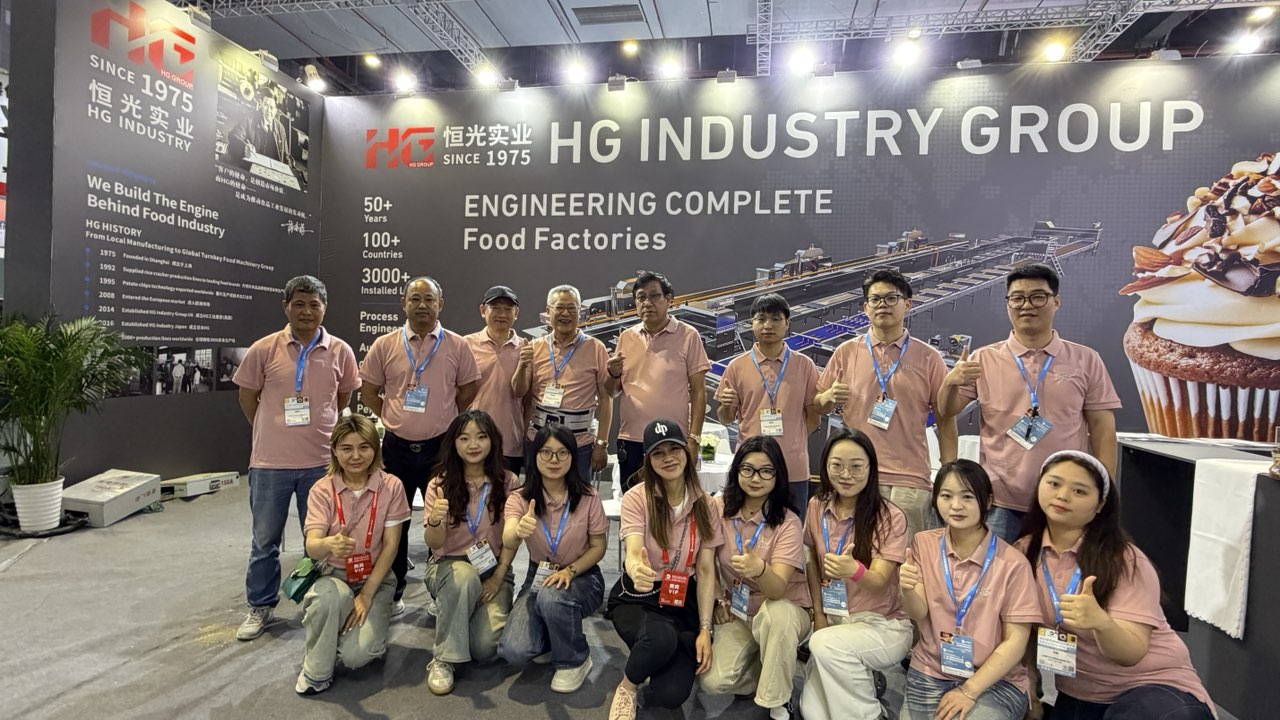
HG Group has more than 50 years of food machinery manufacturing experience and has exported snack food processing equipment to more than 100 countries worldwide.
HG snow rice cracker production lines are widely used in:
* Snack food factories
* Rice snack manufacturers
* Asian food factories
* Export food companies
* Global snack food brands
Physical running machines are available in HG factories, and customers worldwide are welcome to visit for machine inspection and product testing.
Read More
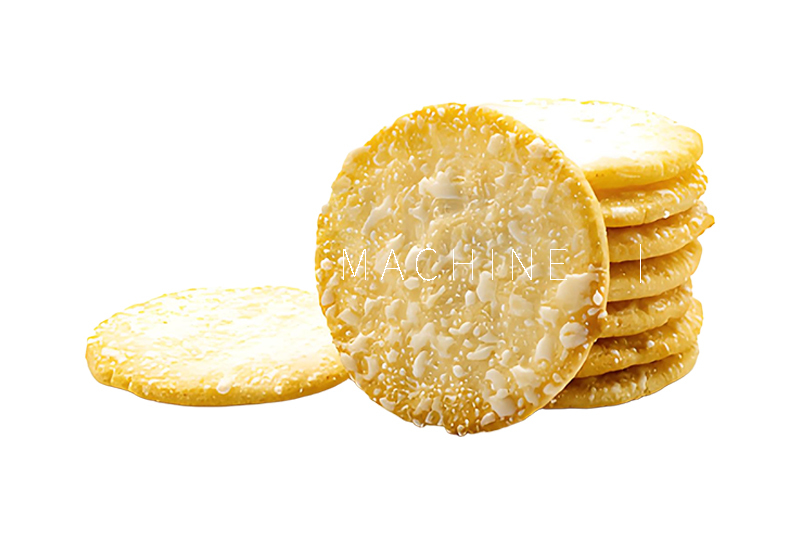
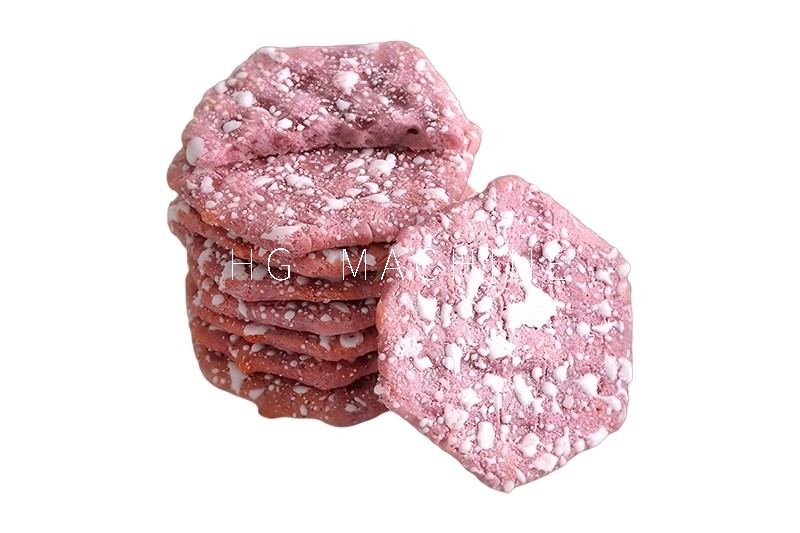
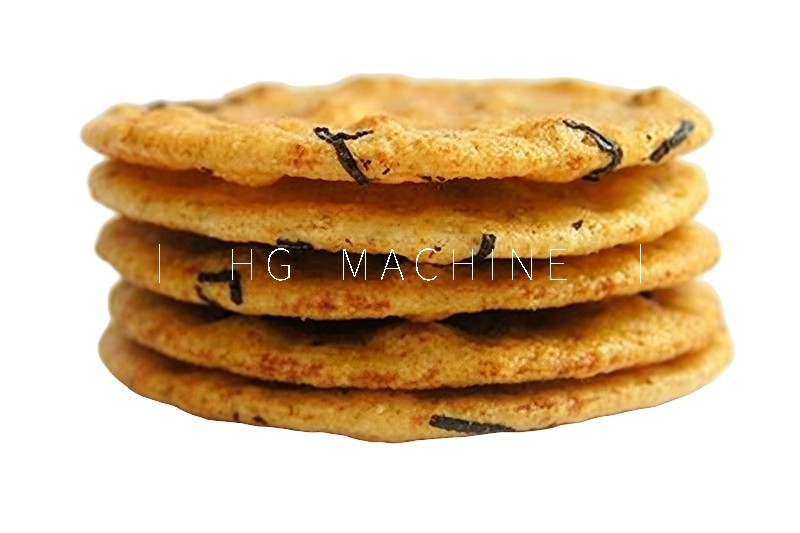
HG provides a complete automatic production solution for snow rice crackers, senbei rice crackers, baked rice crackers, seasoned rice crackers, and Japanese-style rice cracker products.
The line is designed to help manufacturers achieve stable shape, crispy texture, uniform baking color, accurate seasoning, lower labor cost, and continuous mass production. From rice processing, forming, drying, baking, seasoning, cooling to packaging connection, HG can provide a customized turnkey solution based on your product, capacity, factory layout, and market requirements.
With decades of food machinery and process engineering experience, HG helps customers reduce production risk, improve product consistency, and build a scalable rice cracker factory for long-term growth.
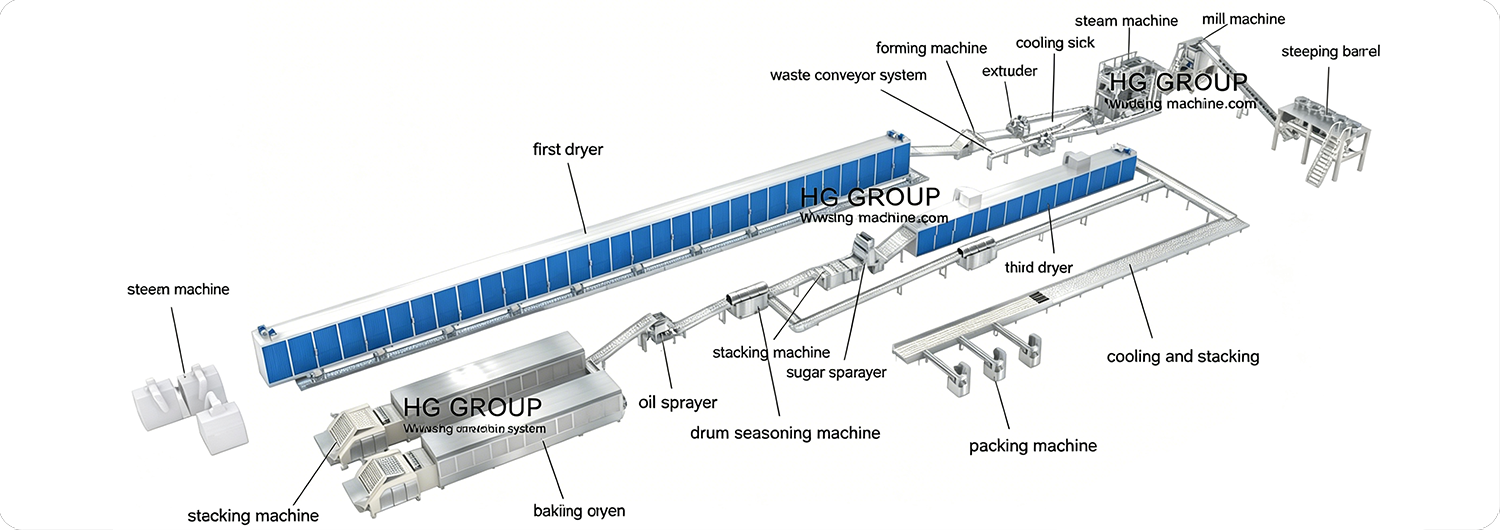
Complete automatic process from rice preparation to packaging connection.
Stable control of shape, thickness, moisture, expansion, crispness, and color.
Uniform seasoning and coating performance.
Suitable for snow rice crackers, senbei, mini crackers, and customized products.
Flexible capacity and product configuration.
Continuous industrial production with reduced labor requirements.
Integrated process engineering for drying, baking, expansion, and seasoning.
Turnkey support including layout design, installation, commissioning, recipe support, and training.
Easy integration with automatic packaging systems.
Designed for scalable, consistent, 24/7 factory production.
Rice cracker production is not only about making crackers. It is about controlling moisture, drying, baking, puffing, seasoning, cooling, and packaging connection as one complete system.
Before HG, factories often face unstable quality, high labor cost, product cracking, uneven color, and repeated production adjustments.
With HG, manufacturers get a complete automatic rice cracker production solution designed for stable quality, lower waste, easier operation, and long-term scalable production.
|
Production capacity |
5 T/day |
12.5 T/day |
20 T/day |
|
Total power |
150 kw |
230 kw |
350kw |
|
Gas consumption |
200kg/1T rice cracker |
||
-
 50+ Years Since 1975
Engineering and manufacturing experience in food-processing equipment.
50+ Years Since 1975
Engineering and manufacturing experience in food-processing equipment.
-
 Project Scope and Layout
Plan soft, hard and soda biscuits production around the product, utilities and packaging interface.
Project Scope and Layout
Plan soft, hard and soda biscuits production around the product, utilities and packaging interface.
-
 Delivery Planning
Agree equipment scope, manufacturing schedule and project milestones.
Delivery Planning
Agree equipment scope, manufacturing schedule and project milestones.
-
 Operating-Cost Evaluation
Assess output, material use, staffing and utilities under defined conditions.
Operating-Cost Evaluation
Assess output, material use, staffing and utilities under defined conditions.
-
 Startup Support
Installation, commissioning, training and process support follow the agreed scope.
Startup Support
Installation, commissioning, training and process support follow the agreed scope.
-
 After-Sales Service
Remote support, spare parts and engineer assistance are arranged for the project.
After-Sales Service
Remote support, spare parts and engineer assistance are arranged for the project.
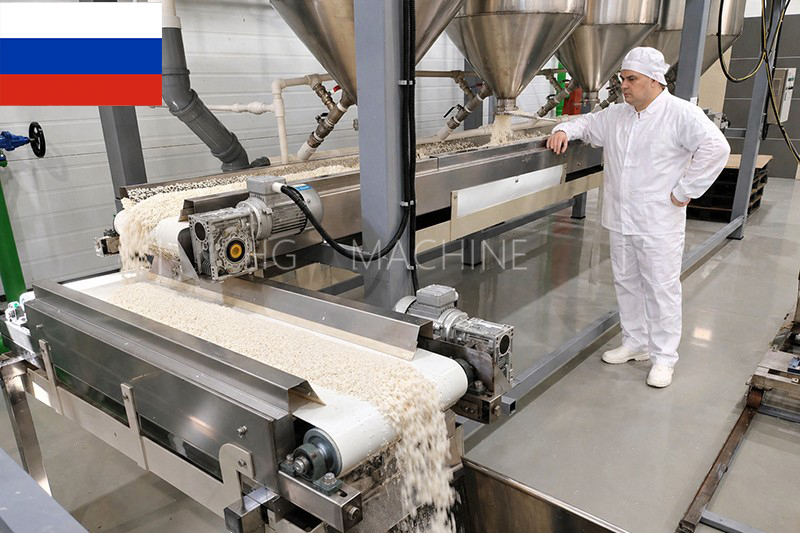
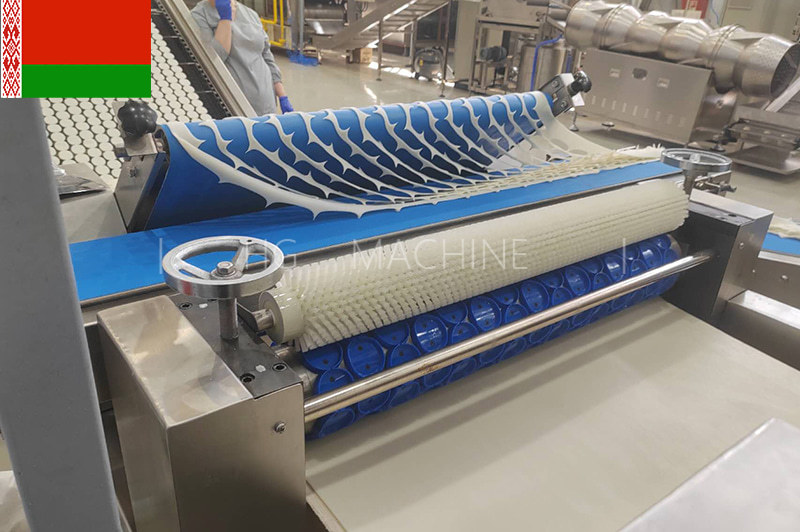

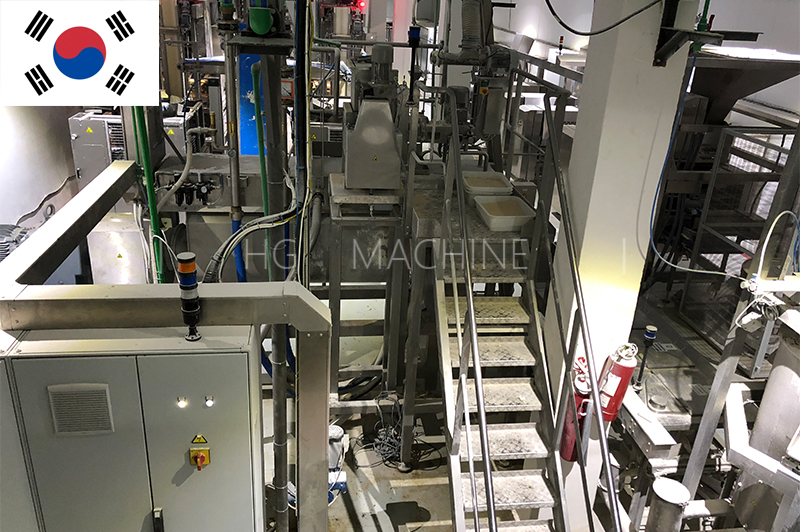
HG Industry Group provides food-processing machinery and production-line solutions for manufacturers with different biscuit production requirements. For langue de chat biscuits and compatible thin-cookie products, the equipment layout focuses on forming, baking, product handling, chocolate decorating, cooling, and packaging.
Global Installation Support | Custom Engineering | Turnkey Factory Expertise
HG production lines have been successfully supplied to customers across the Middle East, Europe, Asia, Africa and Latin America. With extensive export experience, HG supports international projects with machine manufacturing, shipping coordination, overseas installation and long-term technical service. Trusted in Saudi Arabia, UAE, Algeria, Egypt, Russia, India, Indonesia, Mexico and 100+ countries worldwide.














HG Snow Rice Cracker Production Line FAQ
Q1:What is a snow rice cracker production line?
A snow rice cracker production line is a fully automatic food processing system used to manufacture snow rice crackers, Japanese rice crackers, senbei, and puffed rice snack products through mixing, steaming, pressing, forming, drying, seasoning, and packaging processes.
Q2: What products can the HG snow rice cracker production line produce?
HG snow rice cracker production lines can produce:
* Snow rice crackers
* Japanese rice crackers
* Senbei rice crackers
* Rice cakes
* Puffed rice snacks
* Flavored rice crackers
* Customized rice snack products
Different product sizes and shapes can be customized.
Q3: Is the HG snow rice cracker production line fully automatic?
Yes. The entire production line is fully automatic, including:
* Automatic raw material feeding
* Automatic mixing
* Automatic steaming
* Automatic pressing
* Automatic forming
* Automatic drying
* Automatic seasoning
* Automatic packaging
The PLC automatic control system helps reduce labor costs and improve production efficiency.
Q4: What are the advantages of HG snow rice cracker production lines?
HG snow rice cracker production lines offer:
* High automation
* Stable continuous production
* Crispy texture
* Stable moisture control
* Uniform seasoning effect
* Consistent product quality
* Easy operation and maintenance
* Long machine service life
Suitable for modern industrial snack food factories.
Q5: What production capacities are available?
HG can provide different production capacities, including:
* Small-scale rice cracker production lines
* Medium-scale industrial solutions
* Large-scale continuous production factories
Customized solutions are also available.
Q6: What processing technology does HG use?
HG adopts mature rice snack food processing technologies, including:
* Steaming technology
* Rice pressing technology
* Drying technology
* Baking or frying technology
* Automatic seasoning systems
Ensuring stable texture and consistent product quality.
Q7: Can the HG snow rice cracker production line produce different flavors?
Yes. HG can provide different seasoning solutions, including:
* Original flavor
* Seaweed flavor
* Spicy flavor
* BBQ flavor
* Cheese flavor
* Customized local flavors
Q8: Can HG provide recipe support?
Yes. HG provides professional recipe development support, including:
* Rice cracker recipes
* Seasoning formulas
* Drying process optimization
* Texture improvement
* Production process guidance
Helping customers achieve stable production quickly.
Q9: What material is used for the machine?
The entire production line is manufactured with 304 food-grade stainless steel, meeting international food hygiene standards and ensuring easy cleaning, corrosion resistance, and long service life.
Q10: Can HG provide packaging solutions?
Yes. HG provides complete packaging systems, including:
* Pillow packing machine
* Vertical packing machine
* Automatic feeding system
* Automatic arranging system
* Automatic cartoning system
Suitable for supermarkets, convenience stores, and export markets.
Q11: How much labor can be saved with an automatic snow rice cracker production line?
Compared with traditional manual production, HG fully automatic snow rice cracker production lines can reduce labor costs by up to 60–70%.
Q12: Which industries use snow rice cracker production lines?
HG snow rice cracker production lines are widely used in:
* Snack food factories
* Rice snack manufacturers
* Asian food factories
* Export food companies
* Global snack food brands
Q13: Can HG provide turnkey factory solutions?
Yes. HG provides complete turnkey factory solutions, including:
* Factory layout design
* Machine manufacturing
* Installation & commissioning
* Engineer training
* Recipe support
* Packaging solutions
* Long-term after-sales service
Q14: What is the ROI period for a snow rice cracker factory?
Most customers can achieve ROI within 6–12 months depending on:
* Production scale
* Labor costs
* Energy costs
* Product selling prices
* Market demand
Q15: Which countries already use HG snow rice cracker production lines?
HG food processing equipment has been exported to more than 100 countries, including:
* Japan
* South Korea
* Saudi Arabia
* UAE
* Algeria
* Egypt
* India
* Indonesia
* Russia
* Turkey
Q16: Why choose HG snow rice cracker production lines?
HG offers:
* Mature rice snack food processing technology
* European-standard engineering
* Stable machine quality
* High automation systems
* Energy-saving processing technology
* Turnkey factory solutions
* Global installation support
* Long-term after-sales service
Q17: Can customers visit the HG factory?
Yes. HG factories have physical running production lines available for customer visits, machine inspections, and product testing.
Q18: Does HG provide technical training and support?
Yes. HG provides professional technical support, including:
* Equipment operation training
* Equipment maintenance training
* Rice cracker processing guidance
* Seasoning process optimization
* Packaging solution support
Helping customers start stable production quickly.
Q19: What types of factories are suitable for HG snow rice cracker production lines?
HG snow rice cracker production lines are suitable for:
* Snack food factories
* Rice snack manufacturers
* Asian food factories
* Export food companies
* Large industrial food factories
Q20: What makes HG snow rice cracker production lines different?
HG focuses not only on machinery manufacturing, but also on helping customers build profitable rice snack food factories through mature processing technology, stable production systems, recipe support, and long-term service capability.
Industry Knowledge
Rice variety & milling targets (why “snow” texture starts here)
Snow-style crackers are unusually sensitive to rice starch behavior. Different Chinese rice varieties vary in amylose/amylopectin balance, which shifts puffing expansion, brittleness, and “snow” mouthfeel. A practical buying check is whether the line can tune milling fineness and moisture conditioning so the dough forms consistently without excessive fines or paste build-up. Our Japan/Taiwan-origin process logic is kept, but the key parameters are optimized around Chinese rice traits for stable large-batch output.
- Aim for a flour distribution that supports forming without tearing; overly coarse particles raise forming defects.
- Over-milling increases dust and sticking; look for dust control and easy-clean milling paths.
- Stable upstream milling reduces downstream scrap more than most buyers expect.
Forming stability: the hidden cost driver in high-output plants
In continuous production, forming is often where yield loss quietly accumulates: edge cracking, thickness drift, and shape distortion. The best indicator is not “max speed,” but whether forming holds tolerance over long runs as humidity and rice batch vary. We design for industrial consistency first—our goal is to keep your operator interventions low, not just to chase headline throughput.
- Ask how the line controls dough temperature and moisture before forming; those two variables dominate thickness stability.
- Check for quick-change tooling and repeatable alignment to reduce changeover waste.
- Forming repeatability is usually worth more than an extra 5–10% speed in total cost per ton.
Puffing control: how to prevent hollow centers, blistering, and “hard bite”
Snow rice cracker production line demand a narrow puffing window. Too aggressive and you get blistering or hollow centers; too mild and the bite becomes dense and hard. Buyers should evaluate how the line manages residence time, thermal profile, and product moisture at entry, because puffing amplifies any upstream inconsistency. A well-tuned puffing section is where you see the “snow” effect become repeatable across shifts.
- Look for multi-zone control or equivalent capability to shape expansion rather than “one temperature fits all.”
- Confirm the line can stabilize product moisture before puffing; moisture swings are the fastest path to uneven expansion.
- Consistent puffing starts with consistent feed condition—a line that integrates these controls will protect your margin.
Seasoning & oil management: keeping flavor uniform without sogginess
Seasoning is not only a flavor step; it is also a shelf-life and texture step. The same powder formula can taste different when adhesion changes, and excess oil can collapse the crisp “snow” texture over time. When comparing lines, focus on mixing uniformity, carryover loss, and how quickly the system can be cleaned when switching flavors. We keep the seasoning system practical for factory reality—fast cleaning and stable coating matter more than flashy features.
- Prefer adjustable dosing and controlled tumbling so you can run low-salt or high-spice SKUs without rework.
- Ask about powder recovery and dust extraction; seasoning loss can be a meaningful ongoing expense.
- Uniform coating is a consistency promise to your customers, not just a taste detail.
Packaging choices that protect crispness (and reduce returns)
For puffed rice products, packaging is part of the process. Moisture pickup and oxygen exposure degrade aroma and crunch, especially for seasoned variants. Buyers should align packaging format (pillow bag, nitrogen flush, multi-pack) with distribution distance and climate. In over-humid regions, packaging upgrades can outperform recipe tweaks in preventing “soft bite” complaints.
- Confirm seal integrity monitoring and stable film tension control for high-speed runs.
- If using nitrogen flushing, evaluate residual oxygen targets and validation method (not just “has flushing”).
- Packaging that preserves crispness protects brand reputation as much as it protects product.
Capacity planning: what “high output” really means in a full line
A snow rice cracker production line’s nameplate capacity is only useful if bottlenecks are balanced across milling, forming, puffing, seasoning, and packaging. In practice, packaging or seasoning often becomes the limiter. A constructive buyer approach is to request a throughput balance table and confirm buffer design between sections so micro-stops in packaging do not force repeated shutdowns upstream. With our 50-year manufacturing experience, we generally prioritize stable continuous operation over short-term peak figures—because your real KPI is weekly delivered tons.
Compliance & acceptance: what to prepare for smoother import/export projects
If your product will enter strict markets or you need third-party inspections, equipment documentation and certification readiness matter. We hold 300+ national patents and certifications, including CE, BV, and ISO, which can simplify buyer audits and project timelines. Practically, you should still confirm the scope: which modules, electrical standards, and safety devices are covered, and what inspection pack is provided.
- Ask for a documentation list: drawings, manuals, spare parts list, and validation records where applicable.
- Confirm safety interlocks and guarding match your site’s EHS requirements.
- Certification readiness reduces commissioning friction when deadlines are tight.
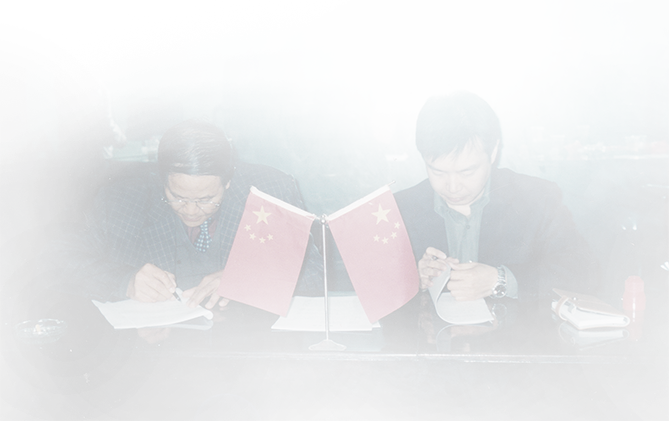
A historic signing moment from the 1970s, when HG’s founder helped drive the development of China’s food industry and began expanding into international markets.
Over the past decades, we have participated in the evolution of automated food production — from local factories to global turnkey projects across 100+ countries. That experience continues to shape every HG production line today.
Discover Our Heritage
Global Food Machinery &
Turnkey Factory Solutions

Building Long-Term Partnerships Through Shared Growth and Industrial Value.
Copyright © HG Industry Group All Rights Reserved
Food Machine Snack Food Processing Machinery

Unauthorized use of this website's content constitutes copyright infringement and may result in legal action.