 English
 中文简体
中文简体 日本語
日本語 русский
 عربى
عربى Український
 Español
 Français


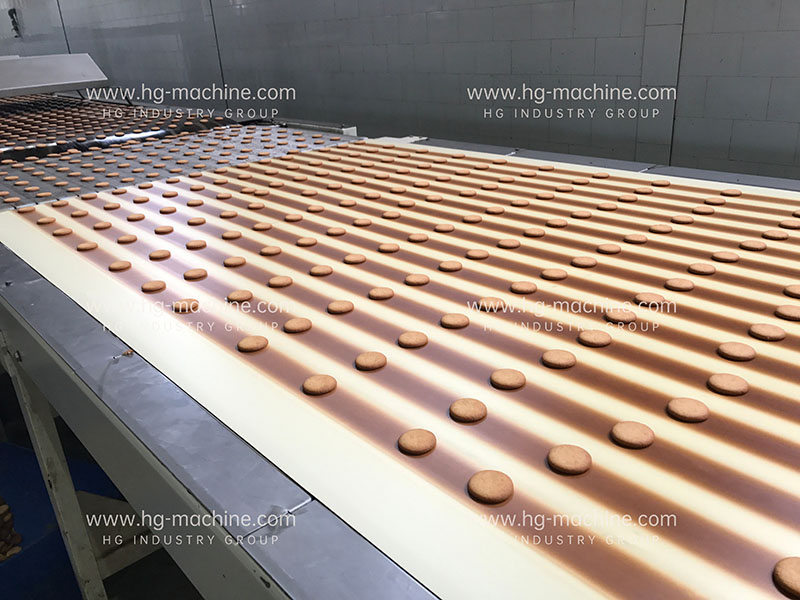
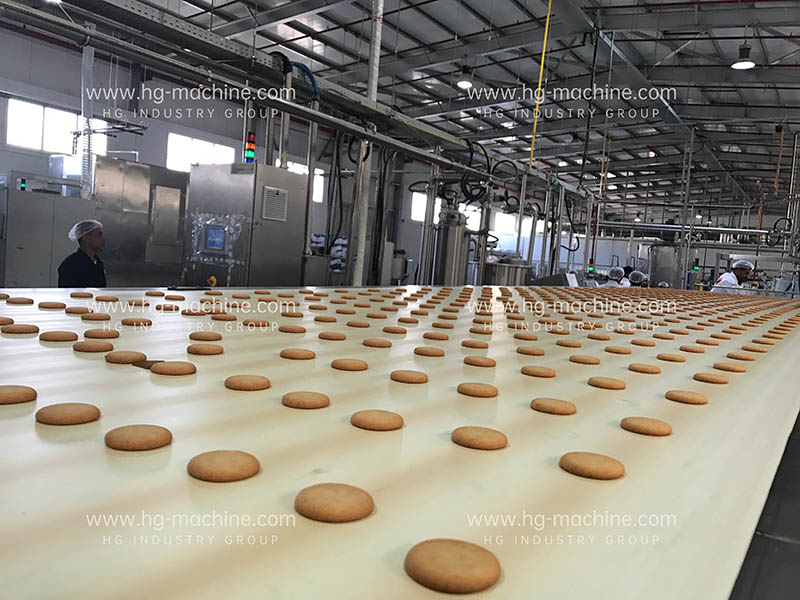
HG Automatic Filled Cookie / Sandwich Cookies Production Line
Cookie Forming, Filled Cookies and Two-Piece Sandwich Cookies
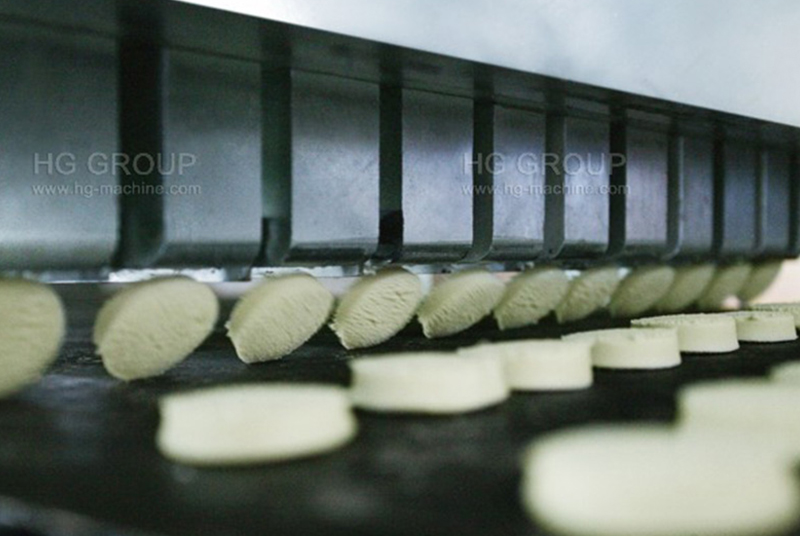
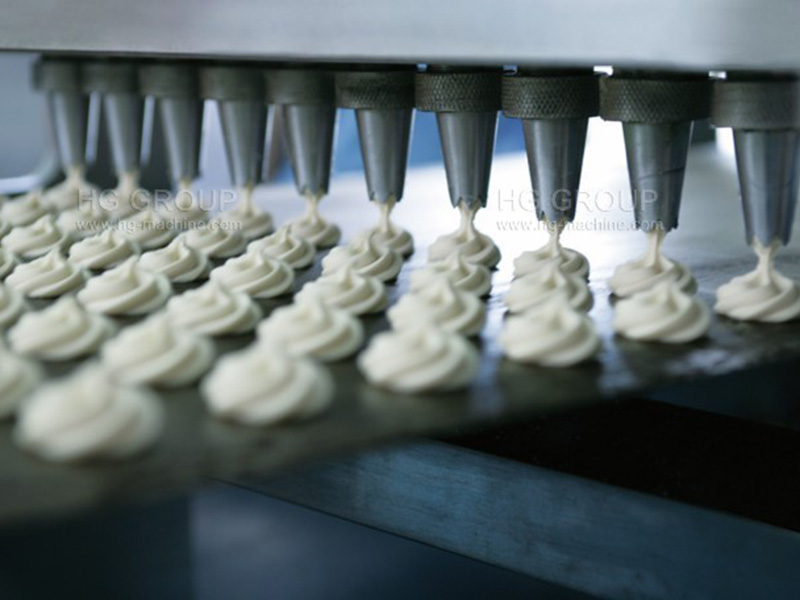
HG Filled Cookie / Sandwich Cookie Production Line covers two cookie structures with distinct forming and filling operations.
Filled-cookie process: Dough & Filling Feeding → Co-Extrusion / Encrusting → Cutting & Forming → Baking. The filling is enclosed in the dough before baking.
For two-piece sandwich cookies, prepare the dough, form, bake and cool the cookies before depositing filling onto a base cookie and placing the top cookie.
Select the equipment and quality checks for each intended product.
Filled cookies and sandwich cookies are among the popular snack food products in global bakery markets due to their rich flavors, attractive appearance, and high added value. The final configuration depends on factors such as cookie shell geometry, surface pattern, shell fragility, cookie size, filling characteristics and required filling quantity.
Cookie Production and Filling Routes
Cookie-making process: Cookie dough preparation → product-matched forming → baking → cooling.
Filled-cookie process: Dough & Filling Feeding → Co-Extrusion / Encrusting → Cutting & Forming → Baking. The filling is enclosed in the dough before baking.
Two-piece sandwich-cookie process after baking and cooling: Baked-cookie feeding and orientation → filling deposition on the base cookie → top-cookie placement → alignment and gentle pressing → setting or cooling as required → inspection as configured → packaging connection.
Advantages of HG Filled Cookie / Sandwich Cookie Production Line
1. Cookie Processing and Filling Integration
Coordinate cookie dough preparation, forming, baking and cooling with the selected filling route. Evaluate filled-cookie and two-piece sandwich-cookie modules separately. Define product changeover, feeding and packaging interfaces for each confirmed configuration.
2. Product-Specific Quality Control
For cookie making, evaluate dough consistency, forming behaviour, piece weight, baking colour, dimensions and cooling condition. For filled cookies, evaluate dough and filling feeding, co-extrusion / encrusting, cutting and forming, filling distribution and leakage through baking. For sandwich cookies, evaluate shell orientation, deposit weight, top-cookie alignment, pressing and breakage.
3. Flexible Product Solutions
Filled cookies and two-piece sandwich cookies. Evaluate the dough, forming method, filling properties and finished structure for each product. Cream, chocolate or jam fillings and different cookie shapes require product-specific evaluation.
4. Cookie Formats and Packaging Requirements
Define the intended cookie format, filling, texture and pack count for retail or gift presentation. Product structure and forming requirements determine the production route. Evaluate packaging against cookie fragility, filling condition and finished dimensions.
5. Cleaning and Product-Contact Design
Review the mixer, forming equipment, filling-contact parts, conveyors and product-handling modules. Confirm material specifications and cleaning access, including dough or filling changes. Follow the selected equipment’s cleaning and maintenance procedures.
6. Cookie Process Control
For cookie making, evaluate dough consistency, forming behaviour, piece weight, baking colour, dimensions and cooling condition. For filled cookies, evaluate dough and filling feeding, co-extrusion / encrusting, cutting and forming, filling distribution and leakage through baking. For sandwich cookies, evaluate shell orientation, deposit weight, top-cookie alignment, pressing and breakage. Control functions and utilities are defined for each selected module.
Packaging Solutions
Packaging Connection
Define filled-cookie or sandwich-cookie dimensions, arrangement, product pitch, fragility and pack format. Match feeding and packing speed to the selected route. Include any required filling-setting or cooling step before packing. Final packers and cartoning modules are listed separately in the quotation.
HG Turnkey Factory Solution
The project scope can include factory layout, equipment manufacturing, installation and commissioning, operator training, packaging integration, after-sales service and spare parts. Recipe or process support is defined in the agreed project scope.
Product trials can evaluate dough and filling feeding, co-extrusion / encrusting, cutting and forming, and baking for filled cookies. For sandwich cookies, evaluate cookie forming, baking and cooling, followed by filling deposition, pairing and pressing. Define test conditions and acceptance criteria for each product.
Global Project Experience
HG Group has more than 50 years of food machinery manufacturing experience and has exported cookie and bakery processing equipment to more than 100 countries worldwide.
HG filled cookie production lines are widely used in:
* Cookie factories
* Bakery snack food factories
* Food processing plants
* Export food companies
* International bakery brands
Physical running machines are available in HG factories, and customers worldwide are welcome to visit for machine inspection and product testing.
Read More
Select the line around the cookie dough, forming method and finished product structure. Filled cookies and two-piece sandwich cookies need distinct filling modules and quality checks, supported by the appropriate cookie-making process.
1. Cookie Making and Filling Routes
Filled-cookie process: Dough & Filling Feeding → Co-Extrusion / Encrusting → Cutting & Forming → Baking. The filling is enclosed in the dough before baking.
For two-piece sandwich cookies, prepare the dough, form, bake and cool the cookies; then feed and orient the baked cookies, deposit filling on the base cookie, place the top cookie, align and press gently, and connect the selected inspection and packaging operations.
2. Filling Control for Each Cookie Structure
For filled cookies, evaluate dough and filling feeding, co-extrusion / encrusting, portion weight, filling distribution, cutting and forming, and leakage during baking. For sandwich cookies, evaluate deposited weight, top-cookie placement and pressing. Filling properties are evaluated for the applicable route.
3. Filled and Sandwich Cookie Formats
Filled cookies and two-piece sandwich cookies. Evaluate the dough, forming method, filling properties and finished structure for each product. Cream, chocolate or jam fillings and different cookie shapes require product-specific evaluation. Tooling, guides and filling circuits are selected for the intended products; one configuration is not assumed to cover every format.
4. Cookie Processing Experience
HG’s food-machinery manufacturing heritage dates to 1975. Relevant cookie-process decisions include dough consistency, co-extrusion / encrusting or cookie-shell forming, piece weight, baking profile, texture and cooling. Sandwich-cookie filling and pairing follow baking and cooling.
5. Product-Specific Defect Checks
Check cookie shape, weight, baking colour and handling damage. For filled cookies, add filling-location and leakage checks. For sandwich cookies, add missed deposits, missing tops, offset, squeeze-out and pressing damage.
6. Defined Automation Scope
Specify automation for dough feeding, forming, transfer, filling and packaging. Staffing also depends on replenishment, filling preparation, cleaning and changeovers. Establish the operating plan for each cookie product.
7. Product and Factory Layout
Provide cookie samples, dough and forming requirements, filling route, target output, space, utilities and pack format. Define upstream and downstream interfaces and the layout required by each filling module.
8. Baking and Cooling Matched to Cookies
Filled cookies are co-extruded / encrusted, cut and formed with filling enclosed before baking. Evaluate the dough and filling together through baking. Sandwich-cookie shells are baked and cooled before filling deposition and pairing.
9. Measurable Operating Costs
Compare output of saleable cookies, dough and filling use, labour, utilities, cleaning, changeover and maintenance. Use product-specific assumptions and trials rather than a fixed payback claim.
10. Project Support
HG can coordinate layout, manufacturing, installation, commissioning, training and spare parts within the agreed scope. The proposal should identify cookie-making equipment and the filled-cookie or sandwich-cookie modules supplied.
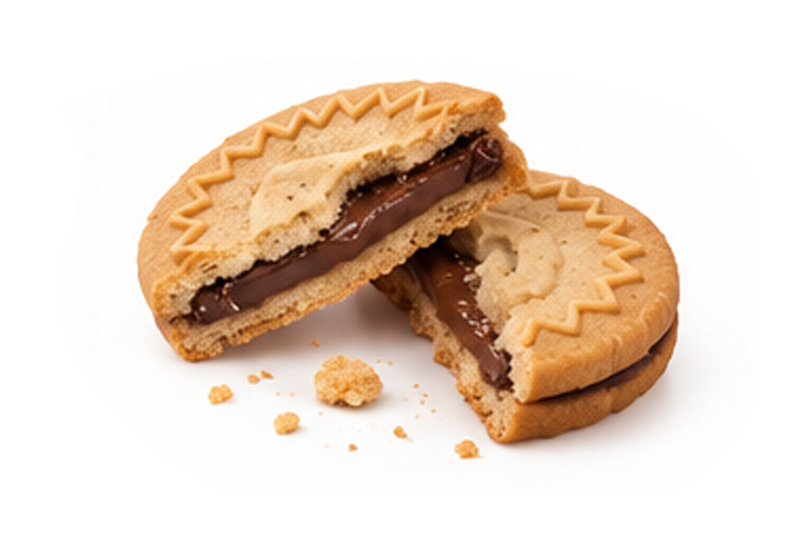
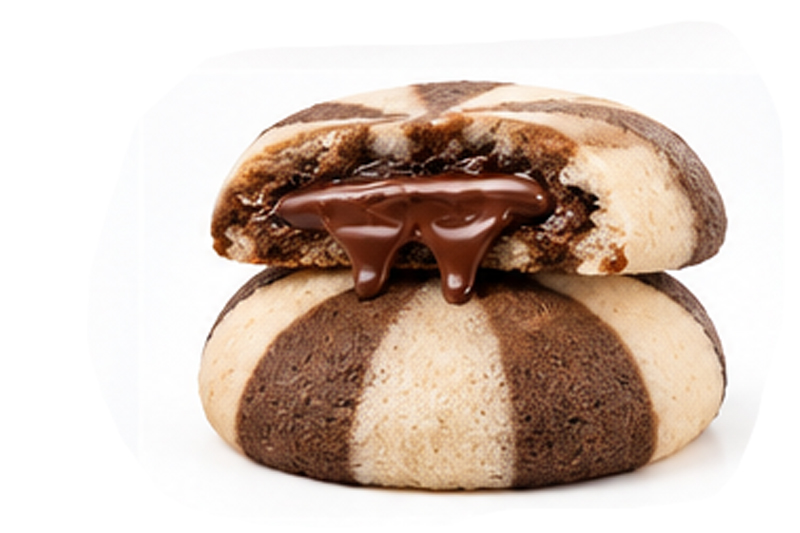
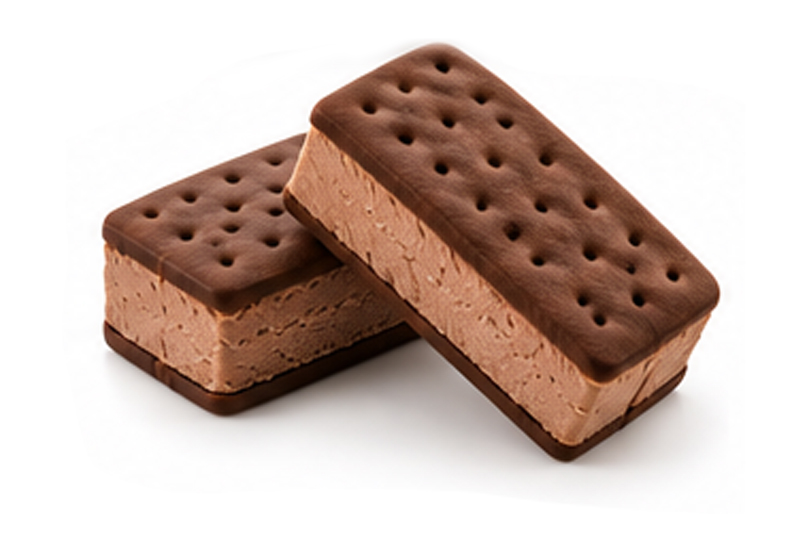
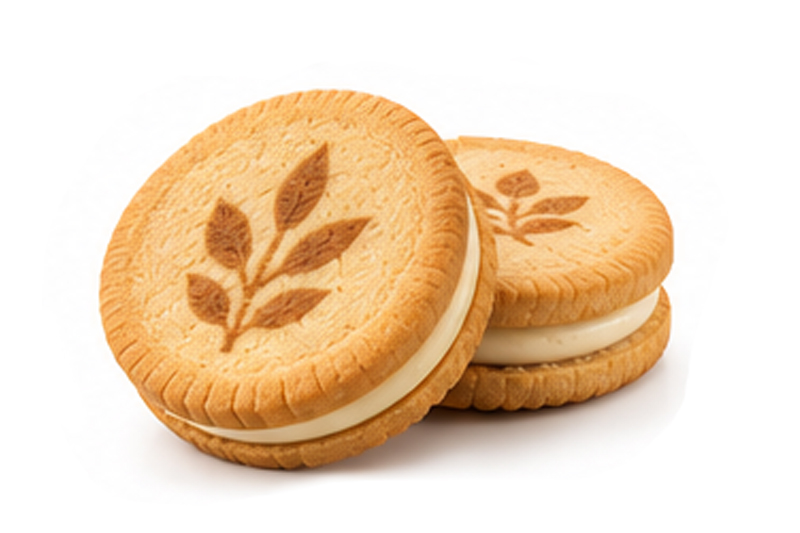
Cream Filled Cookies丨Sandwich Cookies丨Chocolate Filled Cookies丨Jam Filled Cookies丨Center Filled Cookies丨Double-Layer Cookies丨Premium Snack Biscuits
丨Private Label Cookie Products
Different cookie shapes, colours or filling flavours subject to confirmed forming, handling and filling configuration.
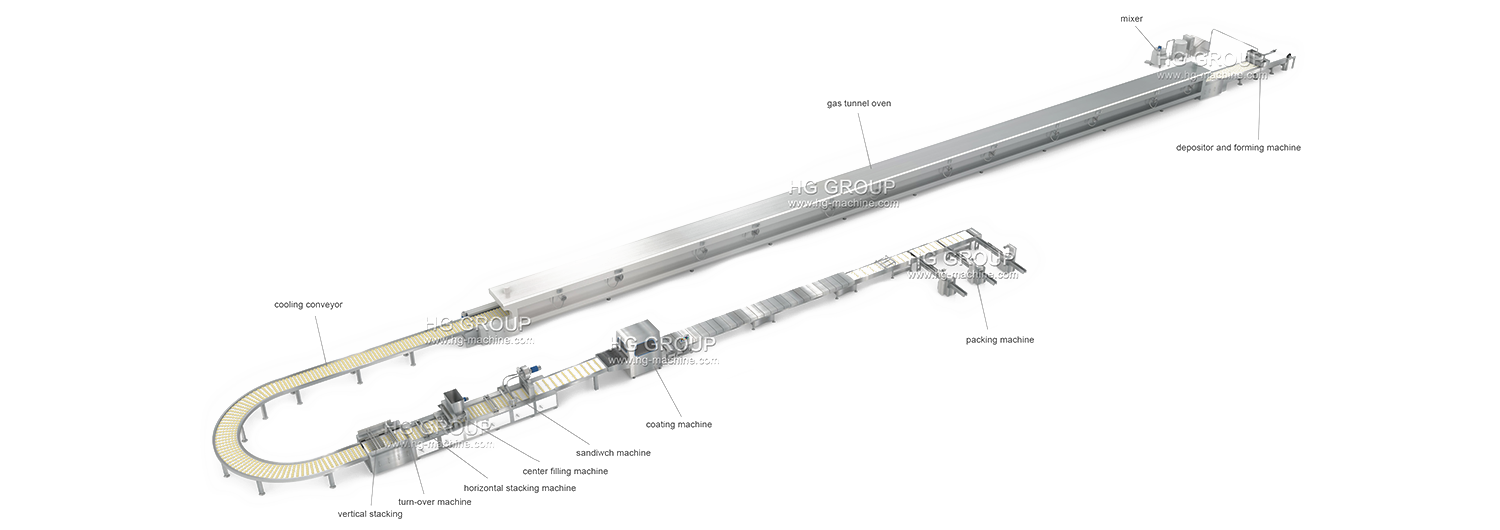
1. Cookie-Making Process
Match dough preparation, feeding and forming to the required cookie shape, weight and texture. Coordinate baking and cooling with the downstream product-handling requirements.
2. Filled-Cookie Co-Extrusion / Encrusting
Filled-cookie process: Dough & Filling Feeding → Co-Extrusion / Encrusting → Cutting & Forming → Baking. The filling is enclosed in the dough before baking. Evaluate dough and filling feeding, portion weight, filling distribution, cutting and forming, and product condition after baking.
3. Two-Piece Sandwiching Module
Feed and orient baked cookies, deposit filling onto the base cookie, place the top cookie and apply controlled alignment and gentle pressing. Evaluate offset, missing tops and damage.
4. Product Changeover
Cookie shape, dough behaviour and filling properties determine the relevant co-extrusion / encrusting and cutting tooling, or the cookie-shell forming and sandwiching configuration. Confirm each product and changeover scope.
5. Baking and Cooling Control
For filled cookies, bake the formed dough-and-filling portions together and evaluate colour, texture, dimensions and filling condition. For sandwich cookies, bake and cool the cookie shells before filling deposition and pairing. Specific settings depend on the product.
6. Cleaning Access
Review dough and filling feeders, co-extrusion / encrusting contact parts, cutting and forming parts, sandwich-filling depositing heads and conveyors as applicable. Confirm cleaning access and procedures for dough, flavour and product changes.
7. Handling and Staffing
Define feeding, forming, filling and packing automation for each product. Include staffing for raw materials, dough and filling preparation, replenishment, cleaning and changeovers.
8. Cookie Product Trials
Test dough handling, forming, baking and cooling alongside the selected filling route. Record piece weight, dimensions, texture, filling distribution and damage under agreed conditions.
9. Performance Acceptance by Product
Agree output and cookie-quality checks for each recipe and product structure. Filled-cookie checks cover dough-and-filling portion weight, filling distribution, forming integrity and leakage after baking. Sandwiching checks include deposit weight, alignment, missing tops and breakage.
10. Layout and Packaging Interface
Specify the cookie-forming and oven scope, cooling arrangement and selected filling module. Match product dimensions, lane count, speed, accumulation and transfer heights to the downstream packer.
Before HG: Cookie-Process Issues to Evaluate
Dough or forming variation can affect cookie weight and dimensions. Baking and cooling can affect texture and handling strength. Filled cookies require control of filling position and leakage; sandwich cookies require controlled deposition, pairing and pressing.
With HG: Product-Matched Cookie Routes
Evaluate cookie making and the filling operation together. Select the forming, baking, cooling and filling configuration for the target cookie, then agree product-specific checks and packaging interfaces.
-
 50+ Years Since 1975
Engineering and manufacturing experience in food-processing equipment.
50+ Years Since 1975
Engineering and manufacturing experience in food-processing equipment.
-
 Project Scope and Layout
Plan soft, hard and soda biscuits production around the product, utilities and packaging interface.
Project Scope and Layout
Plan soft, hard and soda biscuits production around the product, utilities and packaging interface.
-
 Delivery Planning
Agree equipment scope, manufacturing schedule and project milestones.
Delivery Planning
Agree equipment scope, manufacturing schedule and project milestones.
-
 Operating-Cost Evaluation
Assess output, material use, staffing and utilities under defined conditions.
Operating-Cost Evaluation
Assess output, material use, staffing and utilities under defined conditions.
-
 Startup Support
Installation, commissioning, training and process support follow the agreed scope.
Startup Support
Installation, commissioning, training and process support follow the agreed scope.
-
 After-Sales Service
Remote support, spare parts and engineer assistance are arranged for the project.
After-Sales Service
Remote support, spare parts and engineer assistance are arranged for the project.
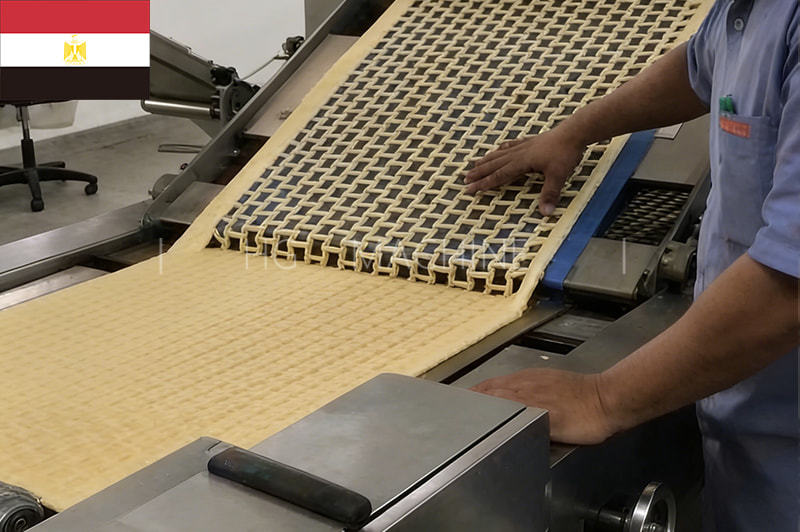

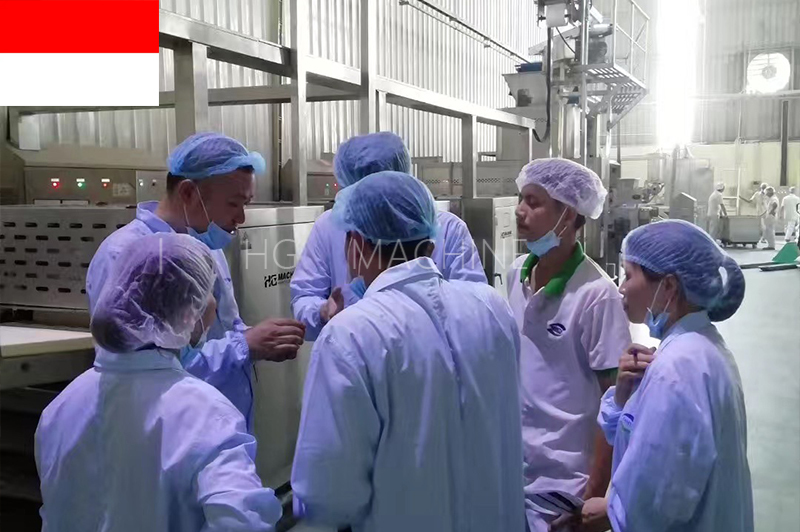
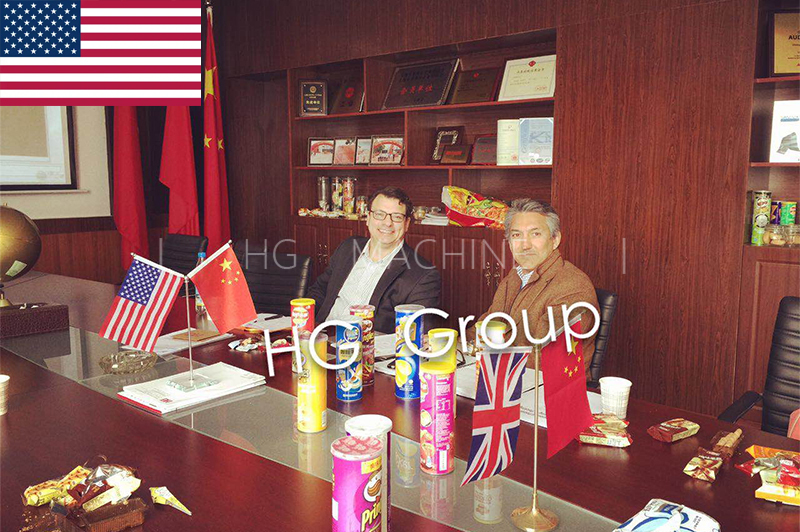
HG Industry Group provides food-processing machinery and production-line solutions for manufacturers with different biscuit production requirements. For langue de chat biscuits and compatible thin-cookie products, the equipment layout focuses on forming, baking, product handling, chocolate decorating, cooling, and packaging.
Global Installation Support | Custom Engineering | Turnkey Factory Expertise
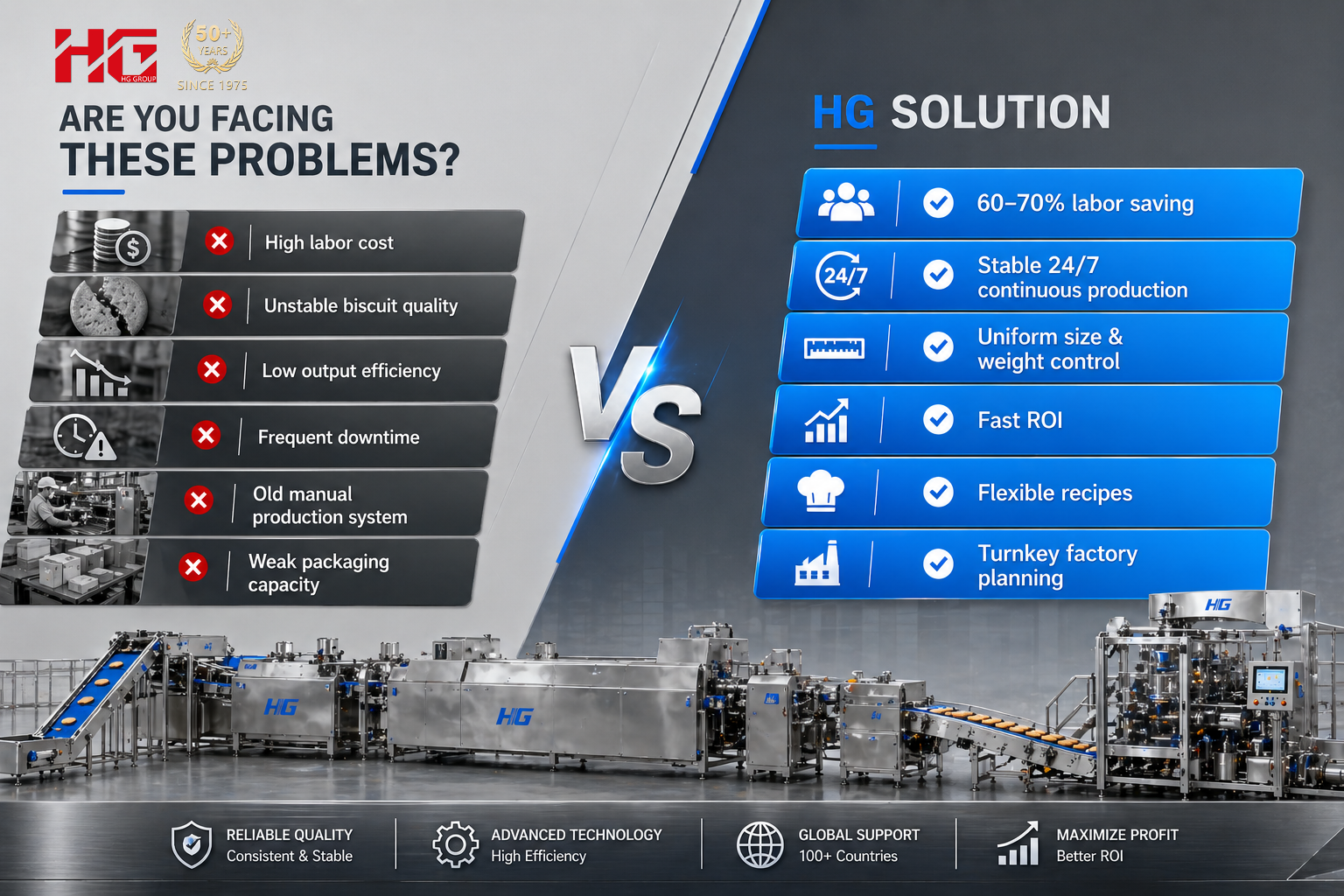
HG production lines have been successfully supplied to customers across the Middle East, Europe, Asia, Africa and Latin America. With extensive export experience, HG supports international projects with machine manufacturing, shipping coordination, overseas installation and long-term technical service. Trusted in Saudi Arabia, UAE, Algeria, Egypt, Russia, India, Indonesia, Mexico and 100+ countries worldwide.
















HG Filled Cookie / Sandwich Cookie Production Line FAQ
Q1: What does a filled-cookie and sandwich-cookie production line cover?
It combines cookie dough preparation, forming, baking and cooling with the filling route required by the product. Filled-cookie process: Dough & Filling Feeding → Co-Extrusion / Encrusting → Cutting & Forming → Baking. The filling is enclosed in the dough before baking. For sandwich cookies, filling is deposited between two baked and cooled cookies.
Q2: What products can the HG filled cookie production line produce?
Filled cookies and two-piece sandwich cookies. Evaluate the dough, forming method, filling properties and finished structure for each product. Cream, chocolate or jam fillings and different cookie shapes require product-specific evaluation.
Q3: Is the HG filled cookie production line fully automatic?
Coordinate cookie dough preparation, forming, baking and cooling with the selected filling route. Evaluate filled-cookie and two-piece sandwich-cookie modules separately. Define product changeover, feeding and packaging interfaces for each confirmed configuration.
Q4: What are the advantages of HG filled cookie production lines?
For cookie making, evaluate dough consistency, forming behaviour, piece weight, baking colour, dimensions and cooling condition. For filled cookies, evaluate dough and filling feeding, co-extrusion / encrusting, cutting and forming, filling distribution and leakage through baking. For sandwich cookies, evaluate shell orientation, deposit weight, top-cookie alignment, pressing and breakage.
Q5: What production capacities are available?
Capacity depends on dough and forming requirements, baking and cooling, the selected filling module and packaging speed. Confirm rated output separately for filled and sandwich cookies.
Q6: Can the HG filled cookie production line produce different flavors?
Filled cookies and two-piece sandwich cookies. Evaluate the dough, forming method, filling properties and finished structure for each product. Cream, chocolate or jam fillings and different cookie shapes require product-specific evaluation.
Q7: Can HG provide recipe support?
Product trials can evaluate cookie dough, forming behaviour, baking, cooling and filling compatibility. Define support for filled-cookie and sandwich-cookie routes in the project scope.
Q8: What material is used for the machine?
The entire production line is manufactured with 304 food-grade stainless steel, meeting international food hygiene standards and ensuring easy cleaning, corrosion resistance, and long machine service life.
Q9: Can HG provide packaging solutions?
Define filled-cookie or sandwich-cookie dimensions, arrangement, product pitch, fragility and pack format. Match feeding and packing speed to the selected route. Include any required filling-setting or cooling step before packing. Final packers and cartoning modules are listed separately in the quotation.
Q10: How much labor can be saved with an automatic filled cookie production line?
Staffing depends on replenishment, material preparation, machine feeding, cleaning, changeovers and packing automation. Establish the current baseline and proposed operating plan.
Q11: Which industries use filled cookie production lines?
Cookie manufacturers developing filled cookies, two-piece sandwich cookies or both. Dough, forming needs, filling route and production scale determine the configuration.
Q12: Can HG provide turnkey factory solutions?
The project scope can include layout, equipment manufacturing, installation, commissioning, training, packaging integration and after-sales support. Confirm the supplied equipment and process-support scope in the quotation.
Q13: What is the ROI period for a filled cookie factory?
Most customers can achieve ROI within 6–12 months depending on:
* Production scale
* Labor costs
* Energy costs
* Product selling prices
* Market demand
Q14: Which countries already use HG filled cookie production lines?
HG food-processing equipment is supplied to customers in more than 100 countries. Relevant project cases identify the food category, supplied equipment and location; group-level export coverage is not a list of installations for each particular line.
Q15: Why choose HG filled cookie production lines?
For cookie making, evaluate dough consistency, forming behaviour, piece weight, baking colour, dimensions and cooling condition. For filled cookies, evaluate dough and filling feeding, co-extrusion / encrusting, cutting and forming, filling distribution and leakage through baking. For sandwich cookies, evaluate shell orientation, deposit weight, top-cookie alignment, pressing and breakage.
Q16: Can customers visit the HG factory?
Yes. HG factories have physical running production lines available for customer visits, machine inspections, and product testing.
Q17: Does HG provide technical training and support?
Yes. HG provides professional technical support, including:
* Equipment operation training
* Equipment maintenance training
* Cookie processing guidance
* Baking process optimization
* Packaging solution support
Helping customers start stable production quickly.
Q18: What types of factories are suitable for HG filled cookie production lines?
Cookie manufacturers developing filled cookies, two-piece sandwich cookies or both. Dough, forming needs, filling route and production scale determine the configuration.
Q19: Can the filled cookie production line produce premium gift products?
Yes. HG filled cookie production lines are suitable for producing premium gift cookie products with customized flavors, premium packaging, and retail gift box solutions.
Q20: What makes HG filled cookie production lines different?
For cookie making, evaluate dough consistency, forming behaviour, piece weight, baking colour, dimensions and cooling condition. For filled cookies, evaluate dough and filling feeding, co-extrusion / encrusting, cutting and forming, filling distribution and leakage through baking. For sandwich cookies, evaluate shell orientation, deposit weight, top-cookie alignment, pressing and breakage.
Q22: What controls cookie forming and sandwich alignment?
For cookie making, evaluate dough consistency, forming behaviour, piece weight, baking colour, dimensions and cooling condition. For filled cookies, evaluate dough and filling feeding, co-extrusion / encrusting, cutting and forming, filling distribution and leakage through baking. For sandwich cookies, evaluate shell orientation, deposit weight, top-cookie alignment, pressing and breakage.
Q23: What information is needed for a cookie-line proposal?
Send cookie samples or drawings and identify filled cookies, sandwich cookies or both. Include dough and forming requirements, dimensions, piece weight, filling properties and quantity, target output, pack format, utilities and factory space. For sandwich cookies, include shell pattern, orientation and alignment requirements. For filled cookies, provide dough and filling properties and the target formed-cookie dimensions for the confirmed co-extrusion / encrusting route.
Industry Knowledge
Understanding Filled and Sandwich Cookie Production
Cookie manufacturing combines dough preparation, forming, baking and cooling with the filling operation selected for the finished product. Filled cookies and two-piece sandwich cookies have different structures and control requirements. Define these before selecting equipment.
HG Industry Group Overview
With a legacy spanning 50 years in food machinery, HG Industry stands as a global leader in high-end food production technology. Its premium manufacturing arm, HG Food Machinery, established in 1975, has expanded into a comprehensive network comprising 7 machinery branches, 2 food laboratories, 1 trading firm, and 1 industrial university. Covering a total area of 250,000 m² (50,000 m² built-up), HG Food Machinery boasts RMB 2 billion in assets and an annual output exceeding RMB 1.4 billion, delivering products to over 100 countries worldwide.
HG Industry (Japan) serves as the group’s R&D hub, leveraging the top-tier platform of HG University to drive technological breakthroughs. Through MWM (Shanghai), HG Industry integrates global industrial chains to provide one-stop solutions—ranging from raw materials and additives to factory equipment and turnkey projects. This synergy forms a strategic triangle: R&D in Japan, smart manufacturing in Shanghai, and global services via MWM.
Core Cookie-Line Modules
Filled cookies: dough and filling feeding → co-extrusion / encrusting → cutting and forming → baking. Match the feeding and forming equipment to the target dough, filling and cookie.
Sandwich cookies: dough preparation and cookie-shell forming → baking and cooling → baked-cookie feeding and orientation → filling deposition → top-cookie placement, alignment and gentle pressing.
Specify cooling, inspection and packaging interfaces for each selected route.
Production Process Details
Cookie Dough Preparation
Evaluate recipe, dough consistency and handling against the selected forming method. Monitor the product characteristics needed for repeatable portioning, shape and baking. Mixer type, operating settings and forming method follow the confirmed cookie trial.
Cookie Forming and Filling
Filled-cookie process: Dough & Filling Feeding → Co-Extrusion / Encrusting → Cutting & Forming → Baking. The filling is enclosed in the dough before baking.
For two-piece sandwich cookies, form, bake and cool the cookie shells before depositing filling on a base cookie and placing the top cookie.
Cookie Baking and Cooling
Filled cookies enter baking after dough and filling feeding, co-extrusion / encrusting, and cutting and forming. Evaluate the formed dough and enclosed filling together for baking performance. Sandwich-cookie shells are baked and cooled before filling deposition and pairing. Set product-specific baking and cooling conditions from the target texture, colour, dimensions and handling requirements.
Quality Control by Cookie Structure
For cookie making, evaluate dough consistency, forming behaviour, piece weight, baking colour, dimensions and cooling condition. For filled cookies, evaluate dough and filling feeding, co-extrusion / encrusting, cutting and forming, filling distribution and leakage through baking. For sandwich cookies, evaluate shell orientation, deposit weight, top-cookie alignment, pressing and breakage. Define inspection methods, selected equipment functions and acceptance criteria for each product.
Configuration and Project Support
Cookie flexibility depends on the dough, forming equipment, tooling and filling modules. Evaluate each intended product separately. HG can coordinate layout, installation, training and after-sales support within the agreed scope. Refer to the selected equipment documents for material and compliance requirements.
Conclusion
and high-quality output. With HG Industry Group’s 50+ years of expertise, global reach, and innovative solutions, manufacturers gain access to reliable equipment, technical guidance, and turnkey solutions that meet modern food production demands. Investing in such a system not only ensures superior product quality but also strengthens competitiveness in the growing international cookie market.
Request a Filled-Cookie or Sandwich-Cookie Proposal
Send cookie samples or drawings and identify filled cookies, sandwich cookies or both. Include dough and forming requirements, dimensions, piece weight, filling properties and quantity, target output, pack format, utilities and factory space. For sandwich cookies, include shell pattern, orientation and alignment requirements. For filled cookies, provide dough and filling properties and the target formed-cookie dimensions for the confirmed co-extrusion / encrusting route.
Related Cookie and Bakery Resources
Cookie forming and baking information
Filled-cookie process information
Sandwich-cookie process information
Relevant bakery projects and packaging integration
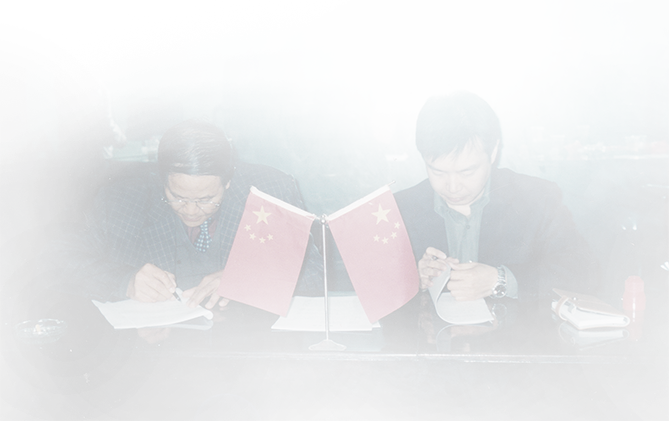
A historic signing moment from the 1970s, when HG’s founder helped drive the development of China’s food industry and began expanding into international markets.
Over the past decades, we have participated in the evolution of automated food production — from local factories to global turnkey projects across 100+ countries. That experience continues to shape every HG production line today.
Discover Our Heritage
Global Food Machinery &
Turnkey Factory Solutions

Building Long-Term Partnerships Through Shared Growth and Industrial Value.
Copyright © HG Industry Group All Rights Reserved
Food Machine Snack Food Processing Machinery

Unauthorized use of this website's content constitutes copyright infringement and may result in legal action.