 English
 中文简体
中文简体 日本語
日本語 русский
 عربى
عربى Український
 Español
 Français

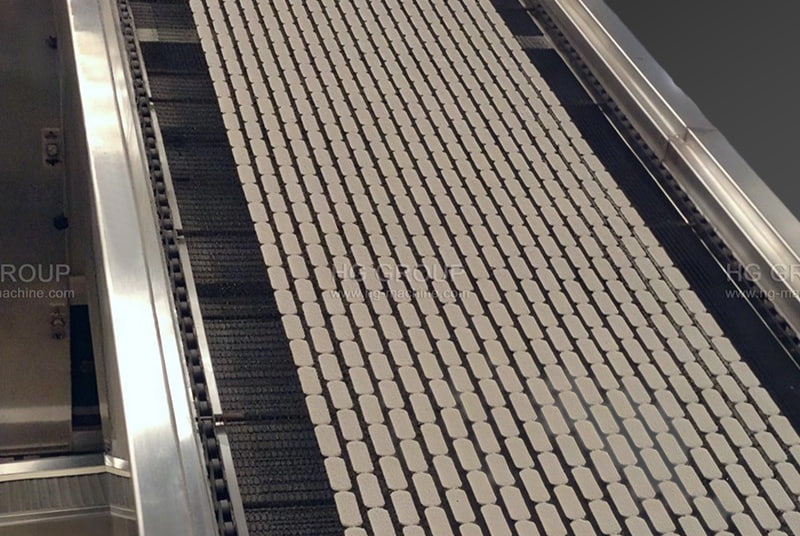
Automatic Senbei Rice Cracker Production Line
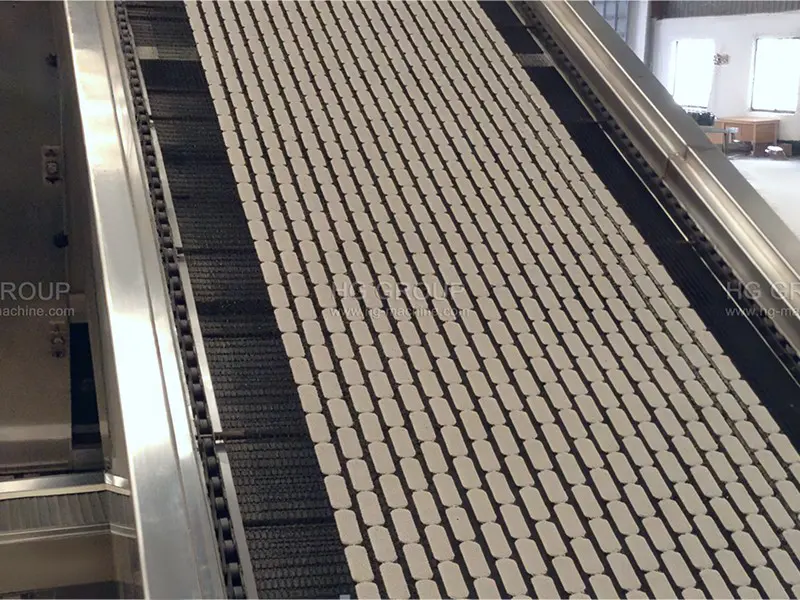
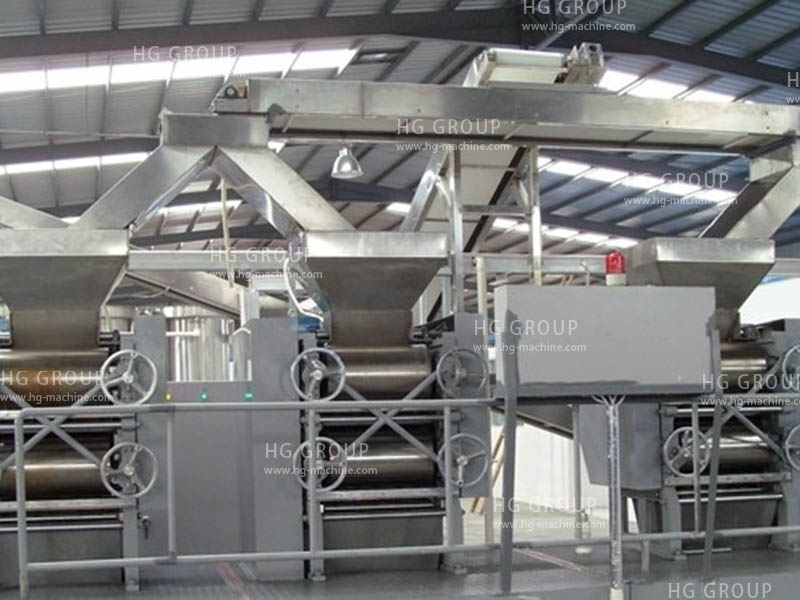
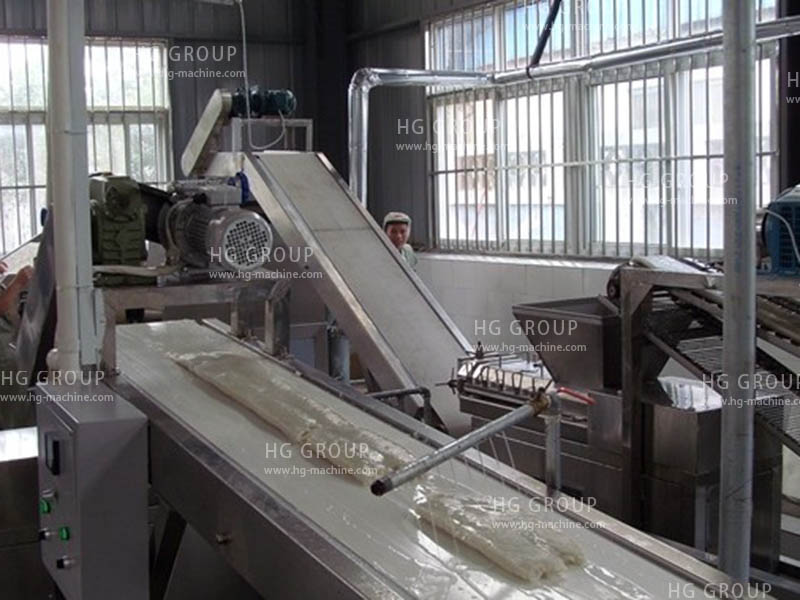
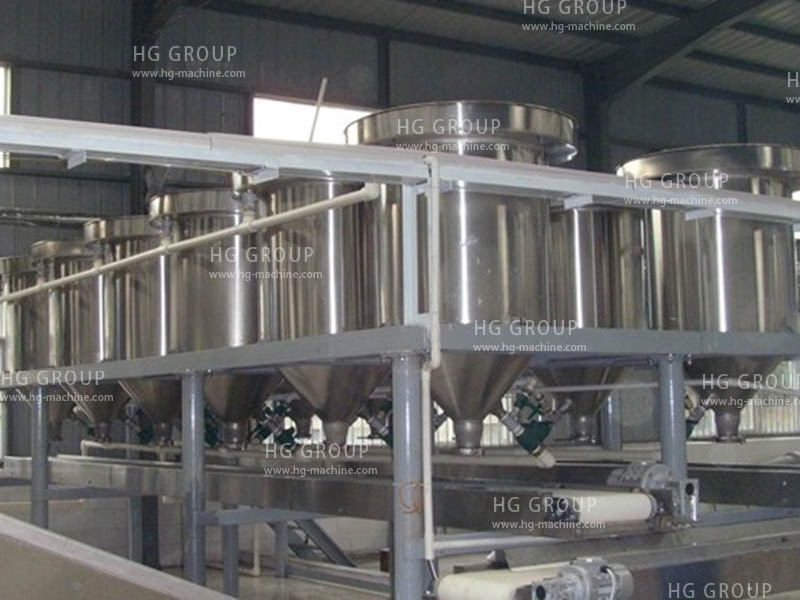
HG Automatic Senbei Rice Cracker Production Line
HG Automatic Senbei Rice Cracker Production Line is a complete industrial solution for producing senbei, snow rice crackers, puffed rice crackers, seasoned rice snacks, and other rice-based snack products.
The line integrates raw material mixing, steaming, dough conditioning, forming, drying, baking, puffing, seasoning, cooling, and packaging connection into one continuous production system.
With decades of experience in food machinery manufacturing and rice cracker process engineering, HG provides not only equipment, but also turnkey factory planning, recipe support, installation, commissioning, operator training, and long-term after-sales service.
The HG senbei production line is designed to help customers achieve stable product shape, uniform expansion, crispy texture, controlled moisture, reduced breakage, and continuous industrial production.
It is suitable for both traditional rice cracker factories and modern snack manufacturers looking to develop sugar-free, high-protein, organic, or customized rice cracker products.
Read More
Rice cracker production is not only about forming and baking. The real challenge is controlling moisture, texture, expansion, color, breakage and seasoning stability throughout the whole process.
HG rice cracker production line is engineered as a complete industrial system, helping customers achieve stable mass production, consistent product quality and long-term factory profitability.
With HG, customers receive not only machines, but also process engineering, production experience and long-term technical support.
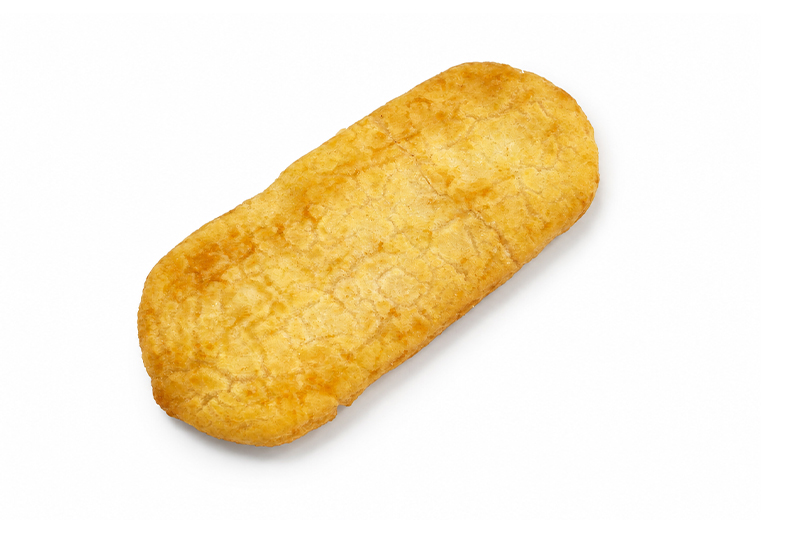
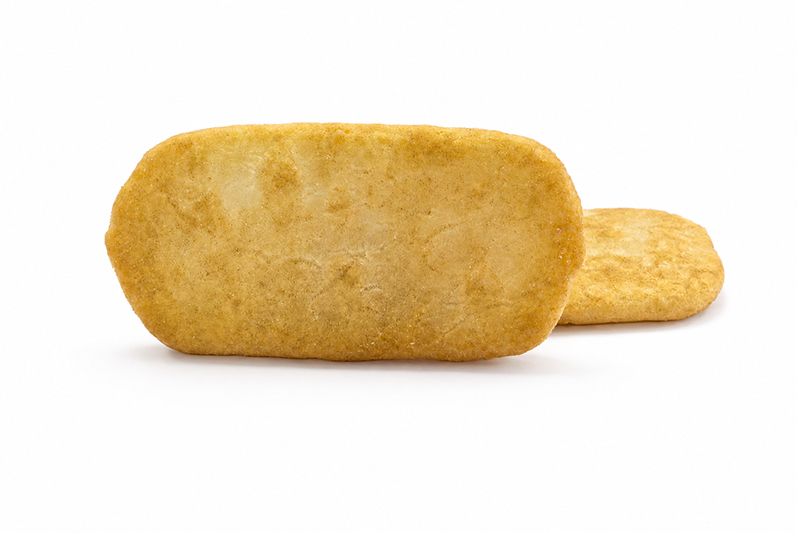
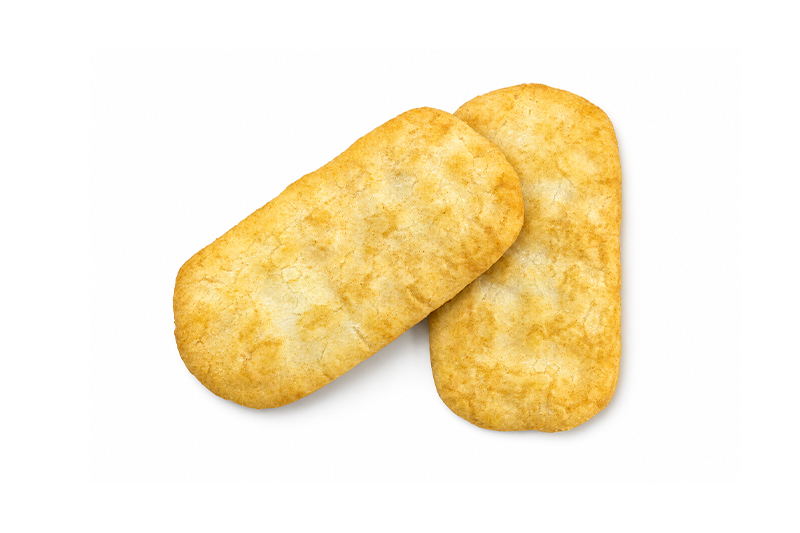
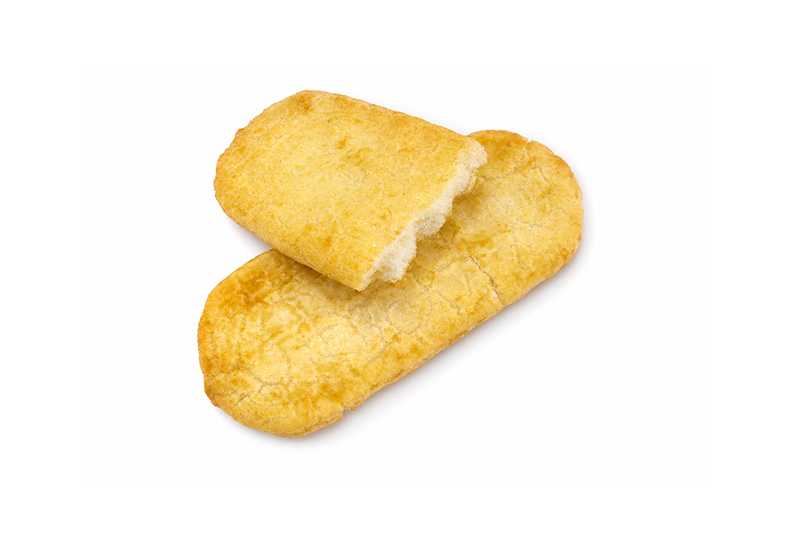
Complete automatic process from rice preparation to packaging connection.
Stable control of shape, thickness, moisture, expansion, crispness, and color.
Uniform seasoning and coating performance.
Suitable for snow rice crackers, senbei, mini crackers, and customized products.
Flexible capacity and product configuration.
Continuous industrial production with reduced labor requirements.
Integrated process engineering for drying, baking, expansion, and seasoning.
Turnkey support including layout design, installation, commissioning, recipe support, and training.
Easy integration with automatic packaging systems.
Designed for scalable, consistent, 24/7 factory production.
Rice cracker production is not only about making crackers. It is about controlling moisture, drying, baking, puffing, seasoning, cooling, and packaging connection as one complete system.
Before HG, factories often face unstable quality, high labor cost, product cracking, uneven color, and repeated production adjustments.
With HG, manufacturers get a complete automatic rice cracker production solution designed for stable quality, lower waste, easier operation, and long-term scalable production.
-
 50+ Years Since 1975
Engineering and manufacturing experience in food-processing equipment.
50+ Years Since 1975
Engineering and manufacturing experience in food-processing equipment.
-
 Project Scope and Layout
Plan soft, hard and soda biscuits production around the product, utilities and packaging interface.
Project Scope and Layout
Plan soft, hard and soda biscuits production around the product, utilities and packaging interface.
-
 Delivery Planning
Agree equipment scope, manufacturing schedule and project milestones.
Delivery Planning
Agree equipment scope, manufacturing schedule and project milestones.
-
 Operating-Cost Evaluation
Assess output, material use, staffing and utilities under defined conditions.
Operating-Cost Evaluation
Assess output, material use, staffing and utilities under defined conditions.
-
 Startup Support
Installation, commissioning, training and process support follow the agreed scope.
Startup Support
Installation, commissioning, training and process support follow the agreed scope.
-
 After-Sales Service
Remote support, spare parts and engineer assistance are arranged for the project.
After-Sales Service
Remote support, spare parts and engineer assistance are arranged for the project.
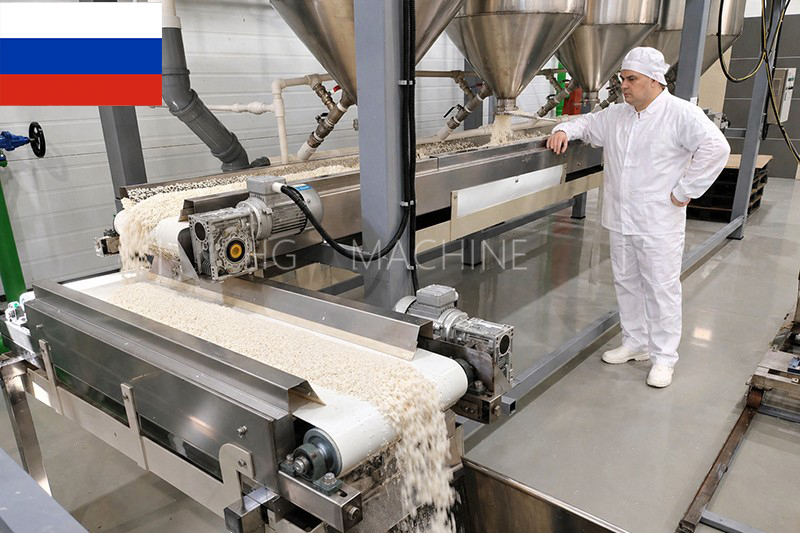
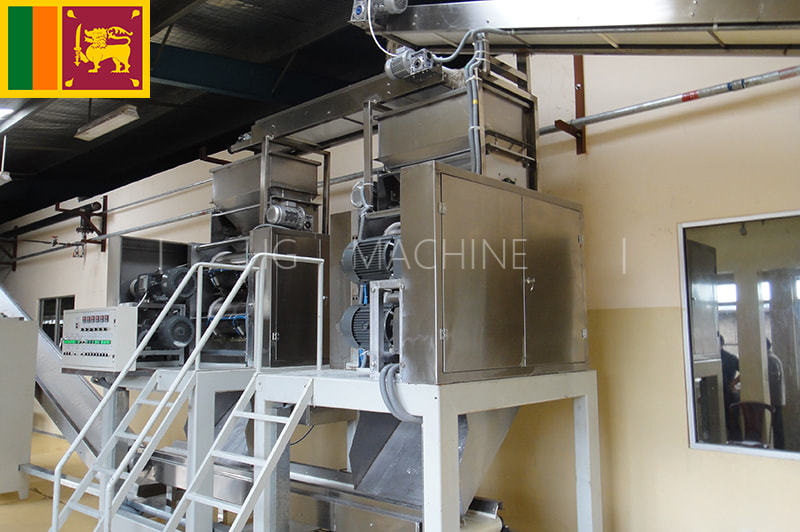

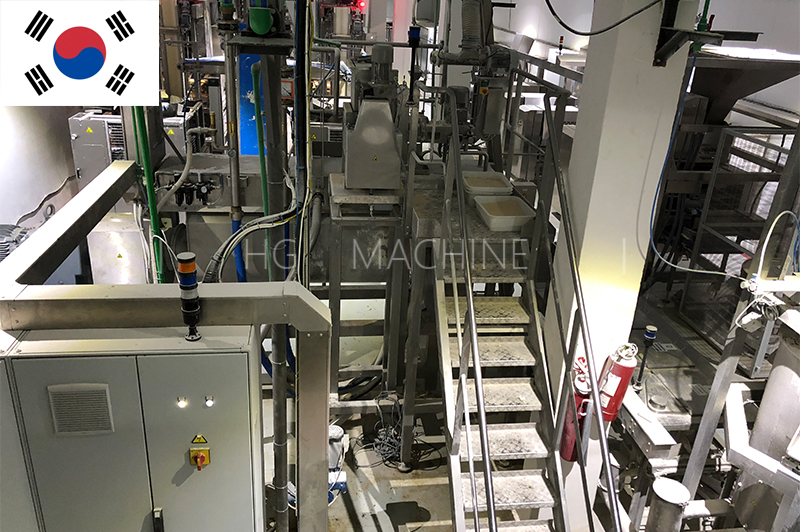
HG Industry Group provides food-processing machinery and production-line solutions for manufacturers with different biscuit production requirements. For langue de chat biscuits and compatible thin-cookie products, the equipment layout focuses on forming, baking, product handling, chocolate decorating, cooling, and packaging.
Global Installation Support | Custom Engineering | Turnkey Factory Expertise
HG production lines have been successfully supplied to customers across the Middle East, Europe, Asia, Africa and Latin America. With extensive export experience, HG supports international projects with machine manufacturing, shipping coordination, overseas installation and long-term technical service. Trusted in Saudi Arabia, UAE, Algeria, Egypt, Russia, India, Indonesia, Mexico and 100+ countries worldwide.














Q1: What can HG automatic Senbei rice cracker production line produce?
HG line can produce Japanese Senbei, snow rice crackers, baked rice crackers, fried rice crackers, soy sauce coated rice crackers, sweet glazed rice crackers, and customized rice snack products.
Q2: Is HG a machine supplier or turnkey solution provider?
HG provides turnkey rice cracker factory solutions, including process design, equipment manufacturing, layout planning, installation, commissioning, formula support, training, and after-sales service.
Q3: What is the biggest challenge in rice cracker production?
The biggest challenge is process control, especially moisture, drying, expansion, baking temperature, seasoning absorption, and final texture consistency.
Q4: Can HG customize the line for my product and capacity?
Yes. HG can customize the production line according to product type, capacity, factory layout, automation level, energy source, and local raw materials.
Q5: Can HG help with formula and process adjustment?
Yes. HG can support formula and process adjustment during commissioning to help customers achieve stable industrial production.
Q6: Why is HG suitable for new rice cracker factory investors?
Because HG provides not only machines, but also production experience, factory layout, process engineering, operator training, and long-term service.
Q7: Can the line connect with automatic packaging?
Yes. HG can design the cooling and conveying system to connect with weighing, counting, stacking, and automatic packaging equipment.
Q8: How does HG reduce production risk?
HG reduces risk by controlling the full production process, including forming, drying, baking or frying, seasoning, cooling, and operator training.
Q9: Can HG support different flavors and coating systems?
Yes. HG can provide powder seasoning, oil spraying, sauce coating, syrup coating, sugar glazing, and secondary drying systems.
Q10: How do I get a quotation?
1. What is an automatic Senbei rice cracker production line?
An automatic Senbei rice cracker production line is a complete industrial processing system designed to produce Japanese-style rice crackers, snow rice crackers, baked rice crackers, fried rice crackers, and coated rice snacks.
HG’s automatic Senbei rice cracker production line can cover the full process from rice preparation, mixing, forming, drying, baking or frying, seasoning, cooling, and connection to automatic packaging.
2. What products can HG Senbei rice cracker line produce?
HG Senbei rice cracker production line can be designed for different rice snack products, including:
Japanese Senbei rice crackers
Snow rice crackers
Baked rice crackers
Fried rice crackers
Glazed rice crackers
Soy sauce coated rice crackers
Sugar-coated rice crackers
Savory rice crackers
Round, square, oval, stick, or customized shapes
The line can be customized according to product formula, texture, thickness, moisture level, seasoning style, and target market.
3. Why choose HG for an automatic Senbei rice cracker production line?
HG is not only a rice cracker machine supplier. HG provides a complete rice cracker factory solution, including equipment design, process engineering, formula support, drying and baking control, seasoning technology, installation, commissioning, and operator training.
The real value of HG is not only machine manufacturing. The value is helping customers achieve stable mass production.
4. What is the main advantage of HG Senbei rice cracker production line?
The main advantage is process stability.
Rice cracker production is highly sensitive to moisture, drying curve, expansion control, baking temperature, product thickness, and seasoning absorption. If these factors are not controlled properly, the factory may face cracking, deformation, uneven color, poor expansion, unstable texture, or high waste rate.
HG focuses on engineering control across the entire process, not only individual machines.
5. Is HG Senbei rice cracker line suitable for industrial mass production?
Yes. HG automatic Senbei rice cracker production line is designed for continuous industrial production. It is suitable for food factories that require stable output, consistent product quality, labor saving, and long-term operation.
The line can be configured for different production capacities according to the customer’s factory size, investment plan, product type, and automation requirements.
6. What is the typical process flow of HG automatic Senbei rice cracker production line?
A typical process flow can include:
Rice preparation → Mixing → Steaming / Cooking → Forming → Drying → Baking / Frying → Seasoning / Coating → Secondary drying → Cooling → Packaging connection
For different products, the process may be adjusted. For example, baked Senbei, fried rice crackers, snow rice crackers, and coated rice crackers require different drying, heating, and seasoning control.
7. What is the difference between baked rice crackers and fried rice crackers?
Baked rice crackers are produced mainly through controlled drying and baking. They usually have a lighter oil content, clean texture, and stable shelf life.
Fried rice crackers are expanded and textured through frying. They usually have stronger aroma, richer mouthfeel, and crispier texture, but require strict oil temperature control and oil management.
HG can provide both baked and fried rice cracker solutions according to the customer’s market positioning.
8. Can HG provide turnkey rice cracker factory solution?
Yes. HG can provide a turnkey rice cracker factory solution, including:
Product process design
Factory layout planning
Equipment selection
Production line manufacturing
Drying and baking system
Seasoning and coating system
Electrical control system
Installation and commissioning
Formula and process adjustment
Operator training
Spare parts and after-sales support
For new investors, this is much safer than buying separate machines from different suppliers.
9. Can HG help customers develop rice cracker formulas?
Yes. HG can provide process and formula support based on customer requirements. Rice cracker production is not only about machinery. Formula, moisture level, rice flour quality, steaming condition, drying curve, baking temperature, and seasoning absorption all affect the final product.
HG helps customers adjust the process according to the target product texture, taste, shape, expansion level, and local raw materials.
10. What raw materials are used for Senbei rice crackers?
Common raw materials include rice, rice flour, starch, water, salt, sugar, soy sauce, seasoning powder, oil, syrup, seaweed powder, chili, spices, and other flavoring ingredients.
Different markets may require different raw material structures. For example, Japanese-style Senbei, Chinese snow rice crackers, Southeast Asian savory rice crackers, and Middle Eastern flavored rice snacks may use different formulas and seasoning systems.
11. Can HG line use local rice flour?
In many cases, yes. However, local rice flour must be tested for moisture, particle size, starch quality, viscosity, expansion behavior, and processing stability.
Rice cracker production is sensitive to raw material quality. HG can help customers evaluate local raw materials and adjust the process accordingly.
12. What are the most common problems in rice cracker production?
Common production problems include:
Product cracking
Uneven drying
Poor expansion
Product deformation
Hard texture
Uneven color
Weak crispiness
Sticky surface
Uneven seasoning
High waste rate
Unstable moisture content
Short shelf life
These are usually caused by poor moisture control, incorrect drying curve, unstable forming, uneven heating, unsuitable formula, or weak process design.
13. How does HG solve cracking problems in rice crackers?
Cracking is usually caused by uneven moisture distribution, excessive drying speed, unstable dough condition, or improper baking temperature.
HG controls cracking through:
Stable mixing and forming
Proper product thickness control
Multi-stage drying design
Controlled air circulation
Balanced temperature zones
Process adjustment according to formula and raw materials
The key is not simply increasing machine speed. The key is controlling moisture migration inside the product.
14. How does HG control product expansion?
Rice cracker expansion depends on raw material composition, moisture content, pre-drying, baking or frying temperature, product thickness, and heating curve.
HG designs the heating and drying process to help products expand evenly while maintaining shape and texture. This is especially important for Senbei, snow rice crackers, and puffed rice crackers.
15. Can HG produce both soft and crispy rice cracker textures?
Yes. Texture can be adjusted through formula, product thickness, moisture control, drying time, baking temperature, frying condition, and seasoning process.
HG can design the line according to the customer’s target product: light crispy texture, hard Japanese-style Senbei texture, puffed snow rice cracker texture, or rich fried cracker texture.
16. How important is the drying system in Senbei production?
The drying system is one of the most critical parts of the rice cracker production line.
If drying is too fast, the product may crack.
If drying is too slow, production efficiency decreases.
If drying is uneven, product shape, color, and texture become unstable.
A good drying system directly affects product quality, waste rate, energy consumption, and factory profitability.
17. What type of oven does HG use for rice cracker production?
HG can design baking ovens according to product requirements, capacity, energy source, factory layout, and local energy cost. Options may include gas heating, electric heating, or other customized heating systems.
For industrial rice cracker production, oven stability, temperature zoning, air circulation, and energy efficiency are more important than only choosing the cheapest oven.
18. Can the Senbei line be customized for different capacities?
Yes. HG can customize the production line based on required capacity, factory space, product size, automation level, labor availability, and investment budget.
Capacity can be designed for small and medium factories, growing snack brands, or large industrial food manufacturers.
19. Is HG Senbei line suitable for new snack factory investors?
Yes, especially if the customer needs more than machines.
New investors often lack experience in formula, drying, baking, seasoning, factory layout, labor organization, and production management. HG can reduce startup risk by providing process engineering, production experience, training, and commissioning support.
For a new rice cracker factory, the lowest machine price is not the safest choice. The safest choice is a supplier who understands production results.
20. What should customers prepare before buying a rice cracker production line?
Customers should prepare the following information:
Target product type
Product photos or samples
Required production capacity
Preferred heating energy: gas, LPG, diesel, electric, etc.
Factory size and layout
Local raw materials
Target packaging format
Automation level
Budget range
Local voltage and frequency
Labor and maintenance capability
The more complete the information, the more accurate the technical proposal will be.
21. Can HG connect the rice cracker line with automatic packaging machines?
Yes. HG can design the production line with packaging connection in mind. After cooling, the rice crackers can be transferred to weighing, counting, stacking, or automatic packaging systems depending on product shape and packaging type.
Packaging connection must be planned early because product fragility, size, cooling time, and conveying method affect the final packaging efficiency.
22. How does HG reduce labor cost?
HG reduces labor cost through automatic conveying, continuous forming, controlled drying, automatic baking or frying, automatic seasoning, cooling, and packaging connection.
Compared with manual or semi-automatic production, an automatic rice cracker line can reduce dependence on operators, improve consistency, and support stable long-hour production.
23. How does HG improve product consistency?
HG improves consistency through:
Stable raw material feeding
Controlled mixing
Accurate forming
Uniform product thickness
Multi-stage drying control
Stable oven temperature
Controlled seasoning dosage
Hygienic continuous conveying
PLC-based operation control
Consistency is the foundation of industrial food production. Without consistency, branding and large-scale sales become difficult.
24. What is the key to successful Senbei factory operation?
The key is not only buying equipment. The key is controlling the full production system:
Formula + raw material + forming + drying + baking/frying + seasoning + cooling + packaging + operator training
Many factories fail because they underestimate process complexity. HG’s value is helping customers build a controllable production system.
25. Does HG provide installation and commissioning?
Yes. HG can provide installation guidance, commissioning support, process adjustment, and operator training according to the project requirements.
Commissioning is especially important for rice cracker production because product quality depends heavily on real production testing and process fine-tuning.
26. Can HG provide training for operators?
Yes. HG can train customer operators on machine operation, production process, cleaning, maintenance, troubleshooting, and quality control.
For rice cracker factories, operator training directly affects waste rate, equipment life, product stability, and factory efficiency.
27. How does HG support after-sales service?
HG can provide spare parts, remote technical support, process guidance, maintenance advice, and long-term after-sales service.
For industrial food production, after-sales service is not optional. A production line must continue running for years, so spare parts and technical response are important.
28. How long does it take to install a rice cracker production line?
The installation time depends on line capacity, equipment configuration, factory readiness, utilities, packaging connection, and local installation conditions.
Before installation, the customer should prepare factory space, electricity, gas or heating energy, compressed air, water supply, drainage, and labor support.
29. What factory utilities are required for a Senbei production line?
Common utilities may include:
Electricity
Gas, LPG, diesel, or electric heating source
Compressed air
Water supply
Drainage
Ventilation
Exhaust system
Cooling area
Packaging area
Raw material storage
Finished goods storage
Exact requirements depend on final line design.
30. Is stainless steel used in HG rice cracker machines?
HG can use food-grade stainless steel for food-contact parts and hygienic areas according to production requirements. Machine structure, material grade, and surface treatment can be designed based on food safety standards, customer budget, and product characteristics.
For export projects, hygiene design and easy cleaning are important.
31. Can HG rice cracker production line meet export market requirements?
HG can design the line according to export market requirements, including hygiene design, electrical component selection, safety protection, stable production performance, and documentation support.
For customers targeting supermarkets, distributors, or international markets, product consistency and food safety control are essential.
32. What makes HG different from low-cost machine suppliers?
Low-cost suppliers often sell individual machines. HG focuses on complete production results.
The difference is clear:
Low-cost supplier: machine quotation only
HG: process engineering + equipment + layout + formula support + commissioning + training + long-term service
For rice cracker production, the cheapest equipment can become expensive if it causes high waste, unstable quality, or failed production.
33. Why is process engineering important for Senbei production?
Senbei production involves moisture control, starch gelatinization, product forming, drying balance, thermal expansion, seasoning absorption, and final texture control.
If the process design is wrong, even good machines cannot produce stable products. HG treats the production line as a complete engineering system.
34. Can HG help design the factory layout?
Yes. HG can help customers design the production flow and equipment layout according to factory size, capacity, product type, hygiene requirements, raw material flow, operator movement, and packaging connection.
A good layout reduces labor waste, improves production efficiency, and makes maintenance easier.
35. What information does HG need to make a quotation?
HG usually needs:
Product type
Product photo or sample
Required capacity
Heating energy
Factory dimensions
Automation level
Packaging requirement
Voltage and frequency
Destination country
Budget expectation
Special formula or product requirement
Without these details, any quotation will be rough and may not match the real project.
36. Can one production line make different shapes of rice crackers?
Yes, in many cases. Shape flexibility depends on forming system design, mold design, product formula, thickness, and downstream handling.
HG can provide customized forming systems and molds for different product shapes.
37. Can HG produce Japanese-style soy sauce Senbei?
Yes. HG can design a line for Japanese-style soy sauce Senbei, including baking, sauce coating, secondary drying, and cooling.
Soy sauce coating requires precise control of sauce viscosity, coating amount, drying temperature, and final moisture to avoid stickiness and ensure good flavor absorption.
38. Can HG produce snow rice crackers?
Yes. HG has experience with snow rice cracker and puffed rice cracker production line solutions. Snow rice crackers require strong control of expansion, drying, seasoning, and surface coating.
For this product, stable puffing and uniform seasoning are critical to quality.
39. Can HG produce sweet coated rice crackers?
Yes. HG can provide solutions for sugar-coated, syrup-coated, or glazed rice crackers. The coating system and drying system must be designed carefully to prevent sticking, uneven coating, or poor shelf stability.
40. Can HG produce healthy rice crackers?
Yes. HG can support production of healthier rice cracker concepts, such as baked rice crackers, low-oil rice crackers, low-sugar rice crackers, multigrain rice crackers, brown rice crackers, and protein-enhanced rice snacks.
However, healthy formulas often require process testing because high fiber, protein, or low sugar formulas may affect forming, drying, expansion, and texture.
41. What affects the shelf life of rice crackers?
Shelf life is affected by:
Final moisture content
Oil content
Seasoning type
Packaging material
Product cooling
Hygiene control
Storage condition
Water activity
Oxidation control
HG helps customers control production-side factors such as drying, cooling, seasoning, and process hygiene.
42. How does HG control seasoning uniformity?
HG can design seasoning drums, coating systems, oil spraying, powder dosing, sauce coating, and secondary drying systems according to product requirements.
Uniform seasoning depends on product flow, drum angle, rotation speed, spraying position, powder dosage, and product surface condition.
43. Can HG provide automatic sauce coating for Senbei?
Yes. HG can provide sauce coating systems for soy sauce, syrup, sugar glaze, or other liquid coatings. The system can be designed for controlled coating amount and stable product surface quality.
For coated Senbei, secondary drying after sauce application is usually necessary.
44. What is the biggest risk when buying a rice cracker production line?
The biggest risk is buying machines without understanding the process.
A rice cracker factory can fail even if every machine runs mechanically. The real question is whether the line can produce stable, sellable products every day.
Customers should evaluate the supplier’s process knowledge, project experience, commissioning ability, and after-sales support.
45. How can customers judge whether a Senbei production line supplier is reliable?
Customers should check:
Does the supplier understand the full process?
Can they explain drying and baking control?
Can they provide layout and utility requirements?
Can they support formula adjustment?
Do they understand product cracking, expansion, and moisture problems?
Do they provide installation and training?
Do they offer long-term spare parts support?
Do they have industrial production experience?
A supplier who only says “our machine can do it” is not enough.
46. Can HG help reduce waste rate?
Yes. HG reduces waste rate through better forming accuracy, controlled drying, stable heating, uniform seasoning, proper cooling, and operator training.
Waste reduction directly improves profit. For rice cracker production, small process instability can create large daily losses.
47. What automation level can HG provide?
HG can provide semi-automatic, automatic, or fully automatic rice cracker production line solutions according to customer requirements.
Automation can include automatic feeding, conveying, forming, drying, baking or frying, seasoning, cooling, and packaging connection.
48. Is HG rice cracker line easy to operate?
HG designs the line with practical factory operation in mind. The control system can include PLC, touch screen operation, speed adjustment, temperature control, and production parameter setting.
However, rice cracker production still requires trained operators. Good equipment plus trained operators creates stable production.
49. Can HG provide customized electrical components?
Yes. HG can configure electrical components according to customer requirements, including international brands for PLC, touch screen, inverter, motors, sensors, and control systems.
This is useful for customers who require easier local maintenance or higher automation standards.
50. What are the main quality control points in rice cracker production?
Main quality control points include:
Raw material moisture
Mixing consistency
Product thickness
Forming accuracy
Drying curve
Baking or frying temperature
Expansion rate
Final moisture
Seasoning dosage
Cooling temperature
Metal detection
Packaging seal quality
HG can help customers build process checkpoints for stable factory management.
51. Why does product thickness matter?
Product thickness affects drying time, expansion, texture, baking color, seasoning absorption, and final crispiness.
If thickness is unstable, the product may show uneven moisture, uneven color, or inconsistent bite texture. HG forming systems are designed to help maintain stable thickness.
52. Can HG line support different seasoning flavors?
Yes. HG can support different seasoning types, such as salty, spicy, seaweed, barbecue, cheese, soy sauce, sweet glaze, seafood, tomato, curry, and local flavor profiles.
The seasoning system should be selected according to powder seasoning, oil-based seasoning, liquid sauce, or syrup coating.
53. Can HG help customers build their own rice cracker brand?
Yes. HG can support customers from product idea to industrial production. This includes product process design, line configuration, formula adjustment, and packaging connection.
For brand owners, stable product quality is the foundation of brand growth.
54. Is HG suitable for existing factories upgrading old rice cracker lines?
Yes. HG can help existing factories upgrade capacity, automation, drying stability, baking efficiency, seasoning uniformity, and packaging connection.
For old lines, common upgrade goals include reducing labor, improving product consistency, reducing energy waste, and lowering reject rate.
55. Can HG provide replacement or upgrade solutions for old machines?
Yes. HG can evaluate the existing production process and provide upgrade suggestions. Depending on the factory condition, HG may recommend replacing key equipment, improving drying and baking sections, upgrading control systems, or optimizing layout.
56. What is the ROI value of an automatic rice cracker production line?
ROI comes from:
Higher production capacity
Lower labor cost
Lower waste rate
More stable quality
Better product consistency
Higher packaging efficiency
Stronger brand competitiveness
Ability to enter larger sales channels
For industrial snack factories, a reliable automatic line is not just equipment cost. It is a long-term profit system.
57. Why should customers not only compare machine price?
Because the lowest machine price does not guarantee successful production.
Customers should compare:
Product success rate
Waste rate
Energy consumption
Labor requirement
Maintenance cost
Spare parts availability
Service response
Process support
Long-term production stability
A cheaper line with high waste and unstable quality may cost more in the long run.
58. Can HG provide rice cracker production line for different countries?
Yes. HG can design rice cracker lines for customers in different markets, including Asia, Middle East, Africa, Europe, South America, and other regions.
Different countries may have different raw materials, flavors, energy costs, labor costs, packaging preferences, and factory standards. HG can customize the solution accordingly.
59. What documents can HG provide for a rice cracker line project?
HG can provide project documents according to the order scope, such as:
Technical proposal
Equipment list
Layout drawing
Utility requirements
Electrical configuration
Production process description
Operation manual
Maintenance guide
Spare parts list
Installation guidance
For large projects, documentation is important for factory planning and project execution.
60. How should customers start a Senbei rice cracker production line project with HG?
Customers can start by sending HG the target product, capacity requirement, factory size, destination country, energy source, automation level, and product photos or samples.
HG will then evaluate the production process and provide a suitable technical solution based on the customer’s business goal.
Send HG your product type, capacity, factory size, heating energy, automation level, product photos, and destination country. HG will prepare a suitable technical proposal.
Industry Knowledge
Raw Material Adaptability in Automated Senbei Lines
Modern senbei rice cracker production line must handle variations in rice flour viscosity, moisture, and particle size. Equipment designed purely around Japanese standards often struggles with locally sourced raw materials. Our automated line integrates adjustable mixing torque, forming pressure, and sheet thickness control, allowing stable production even when raw material batches fluctuate. This adaptability directly reduces waste rates and downtime during formulation changes.
Key Process Control Points That Affect Crack Structure
The internal pore structure of senbei is determined long before baking. In industrial lines, three control points are critical:
- Pre-gelatinization temperature stability during steaming
- Sheeting tension uniformity before cutting
- Controlled dehydration rate prior to baking or roasting
Lines with closed-loop temperature and speed feedback can maintain consistent crack expansion, which is why we emphasize sensor-driven automation rather than manual adjustment.
Automation Level vs. Labor Dependency
In senbei factories, labor cost is often hidden in intermediate handling steps such as tray transfer, flipping, and secondary drying. A fully automated production line eliminates most manual intervention between forming and final baking. Reducing touchpoints not only lowers labor demand but also improves hygiene compliance and batch consistency. This is a key reason many buyers shift directly to high-automation configurations instead of incremental upgrades.
Energy Consumption Optimization in Continuous Baking
Continuous senbei baking systems consume significant thermal energy, but efficiency depends on zoning design. Multi-zone ovens with independent temperature control allow precise heat allocation for gelatin expansion, surface coloring, and final dehydration. In practice, this can reduce overall energy consumption by 10–18% compared to single-zone designs, especially in high-output factories like those we’ve delivered across Asia and Europe.
Scalability Considerations for Export-Oriented Production
For manufacturers targeting export markets, scalability is not just about output. Equipment must support:
- Multiple product thickness and shape formats
- Rapid cleaning and allergen changeover
- Compliance with CE and international food safety standards
As a senbei rice cracker production line manufacturer with 300+ patents and certifications, we design modular systems that allow future expansion without replacing core equipment—an approach many buyers underestimate during initial investment planning.
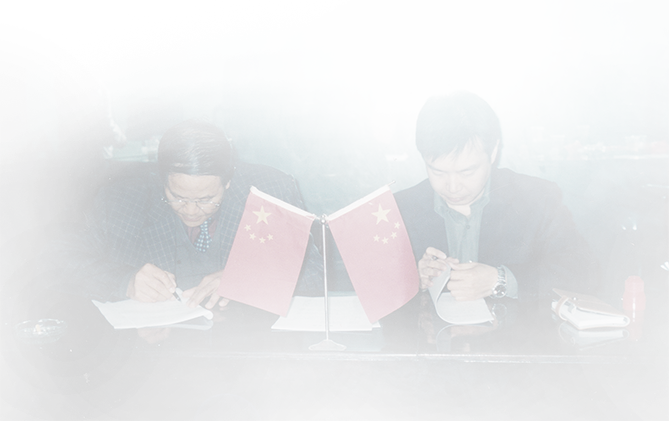
A historic signing moment from the 1970s, when HG’s founder helped drive the development of China’s food industry and began expanding into international markets.
Over the past decades, we have participated in the evolution of automated food production — from local factories to global turnkey projects across 100+ countries. That experience continues to shape every HG production line today.
Discover Our Heritage
Global Food Machinery &
Turnkey Factory Solutions

Building Long-Term Partnerships Through Shared Growth and Industrial Value.
Copyright © HG Industry Group All Rights Reserved
Food Machine Snack Food Processing Machinery

Unauthorized use of this website's content constitutes copyright infringement and may result in legal action.