 English
 中文简体
中文简体 日本語
日本語 русский
 عربى
عربى Український
 Español
 Français

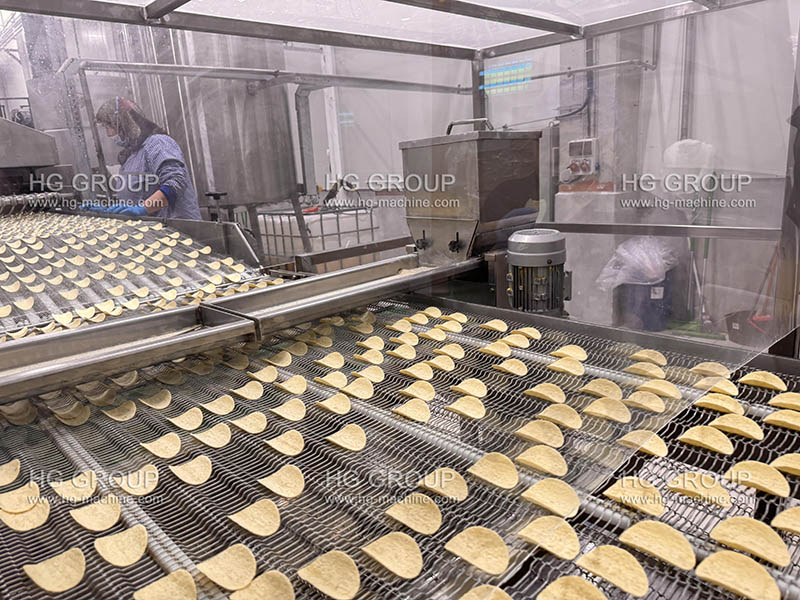
300 vs 500 vs 1000 kg/h Potato Chips Production Line: Which Capacity Should You Choose?
Choosing capacity is an investment decision, not merely an equipment decision.
300 kg/h
A 300 kg/h line may suit:
* regional brands;
* first industrial-scale projects;
* markets with uncertain demand;
* factories with limited capital.
Advantages include lower initial investment and easier utilization.
The disadvantage is that future expansion may require duplicated equipment.
500 kg/h
A 500 kg/h line often represents a balance between industrial scale and manageable investment.
It may suit:
* established snack companies;
* regional distribution;
* private-label manufacturers;
* companies planning national expansion.
It provides more room for automation and continuous operation.
1000 kg/h
A 1000 kg/h line is normally more appropriate when the buyer already has:
* strong distribution;
* reliable potato supply;
* significant working capital;
* high packaging capacity;
* experienced plant management.
A large production line operating at 40% utilization may be financially worse than a smaller line running consistently at 80%.
Compare Annual Output
At 16 hours/day and 300 days/year:
300 kg/h = 1.44 million kg theoretical/year
500 kg/h = 2.40 million kg theoretical/year
1000 kg/h = 4.80 million kg theoretical/year
Actual output will be lower after downtime and utilization factors.
The Real Question
Capacity should be selected using:
Expected annual sales ÷ realistic factory operating hours
not:
What is the biggest machine I can afford?
Expansion Strategy
Sometimes a 500 kg/h project with space and utilities reserved for future expansion is more rational than immediately purchasing a 1000 kg/h line.
Factory layout should therefore consider Phase 2 expansion from the beginning.
Learn more: Potato Chips Production Line
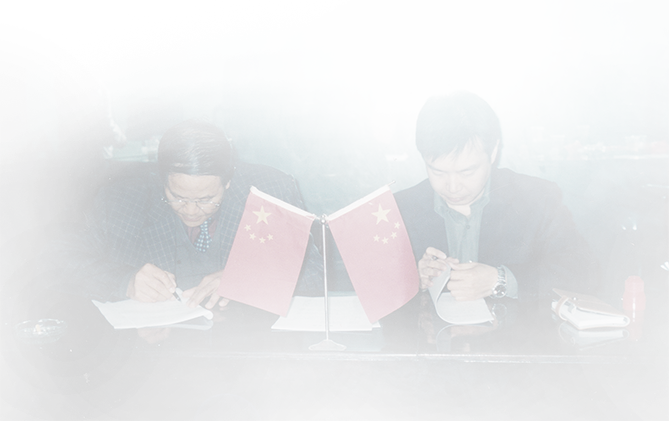
A historic signing moment from the 1970s, when HG’s founder helped drive the development of China’s food industry and began expanding into international markets.
Over the past decades, we have participated in the evolution of automated food production — from local factories to global turnkey projects across 100+ countries. That experience continues to shape every HG production line today.
Discover Our Heritage
Global Food Machinery &
Turnkey Factory Solutions

Building Long-Term Partnerships Through Shared Growth and Industrial Value.
Copyright © HG Industry Group All Rights Reserved
Food Machine Snack Food Processing Machinery

Unauthorized use of this website's content constitutes copyright infringement and may result in legal action.