 English
 中文简体
中文简体 日本語
日本語 русский
 عربى
عربى Український
 Español
 Français

Uzbekistan Rice Snack Production Project — 1,000 t/yr Featured by Yangiyo‘l District Administration & UZA
Content
A real, operating production line — not a rendering, not a proposal, but a project verified by Uzbekistan's national press.
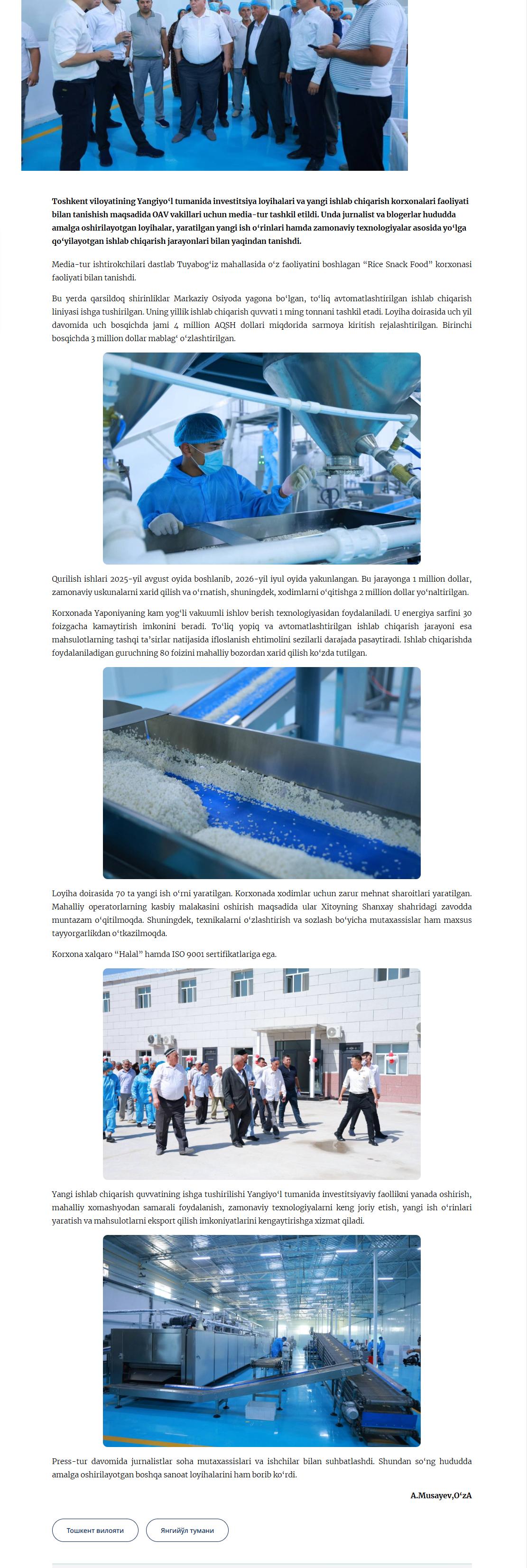
On August 24, 2026, UZA (Uzbekistan National News Agency, O‘zbekiston Milliy Axborot Agentligi) — the country's official state news agency — published a dedicated report titled "Yaponiya texnologiyasi — Yangiyo‘lda" ("Japanese Technology — in Yangiyo‘l"), covering a newly launched 1,000 t/yr rice snack production project in the Yangiyo‘l District of Tashkent Region.
Read the original UZA report: https://uza.uz/oz/posts/yaponiya-texnologiyasi-yangiyolda_899325
The story was reported in coordination with information previously released by the Yangiyo‘l District Administration's official press service, giving the project a rare double layer of confirmation: local government disclosure, cross-verified by national-level media.
Why This Coverage Matters
In an industry where "case studies" are too often marketing copy dressed up as news, this project stands apart for one simple reason: it was reported by someone other than the equipment supplier.
- UZA is Uzbekistan's official state-run news agency, tasked with reporting economic and industrial developments of national interest.
- The Yangiyo‘l District Administration is the local government body directly overseeing the district where the facility is located.
- Both sources independently referencing the same project — with matching details on location, technology origin, and production scope — is the kind of third-party corroboration that due-diligence teams, investors, and prospective buyers actually look for.
For anyone evaluating a food processing equipment supplier, this distinction matters. A rendering on a company website is a claim. A government-linked news agency publishing a report on a functioning facility is evidence.
Project Snapshot
|
Item |
Detail |
|
Location |
Yangiyo‘l District, Tashkent Region, Uzbekistan |
|
Product |
Rice-based snack food |
|
Annual Capacity |
1,000 tonnes/year |
|
Technology Origin |
Japanese-style extrusion/puffing process |
|
Local Endorsement |
Yangiyo‘l District Administration |
|
Media Coverage |
UZA (Uzbekistan National News Agency), published August 24, 2026 |
The project reflects a broader trend already visible in Uzbekistan's food industry: local processors are actively seeking Japanese and other advanced production technologies to move beyond raw commodity export and into higher-value, shelf-stable, export-ready snack products — a shift that regional administrations have been openly promoting as part of local industrial development goals.
The Technology Behind the Line
Turning raw rice into a light, crisp, shelf-stable snack is a materially different challenge than milling rice for the table. It requires precise control over moisture conditioning, extrusion or puffing temperature, shaping, drying, and seasoning application — all while maintaining consistent output at industrial volumes.
This is where equipment engineering depth becomes the difference between a pilot line and a plant that reliably hits 1,000 t/yr, day after day, batch after batch.
That's the space HG has worked in for half a century.
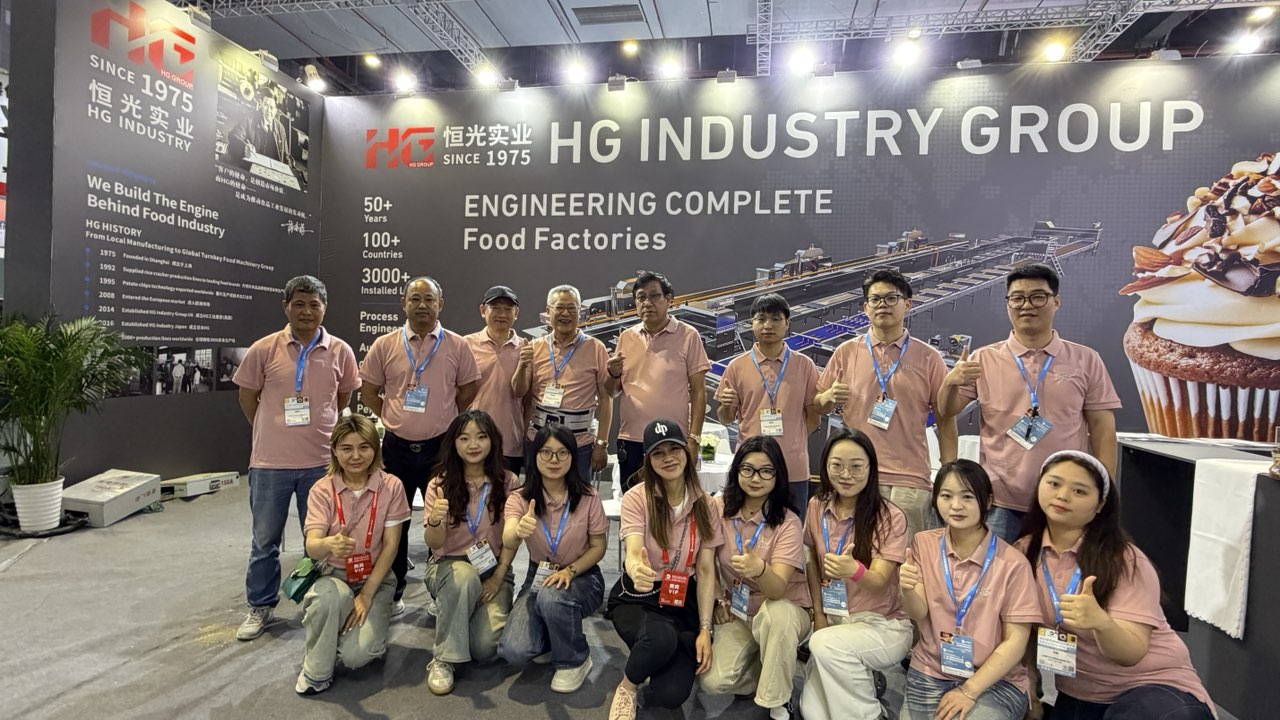
With 50 years of technical excellence, HG has been at the forefront of innovation in food machinery manufacturing. From pioneering automated food processing solutions to engineering precision equipment for food production lines, our legacy is built on expertise, craftsmanship, and a commitment to progress.
Five decades of iteration on extrusion and snack-forming technology means fewer surprises on commissioning day — and a production line built to run, not just to demo.
A Model for Real Industrial Cooperation
Projects like the Yangiyo‘l rice snack facility illustrate what practical China–Central Asia (and Japan-technology-informed) industrial cooperation looks like on the ground: a defined capacity target, a local government partner, a working facility, and — critically — a public record that anyone can verify.
For food processing companies, investors, and government partners evaluating similar projects in Uzbekistan and the wider Central Asian region, this case offers a template worth studying: technology transfer that shows up not just in a press release from the supplier, but in the pages of a national news agency.
Full UZA report: https://uza.uz/oz/posts/yaponiya-texnologiyasi-yangiyolda_899325
HG — 50 years of food machinery manufacturing expertise, delivering complete rice snack and extrusion production lines for markets worldwide.
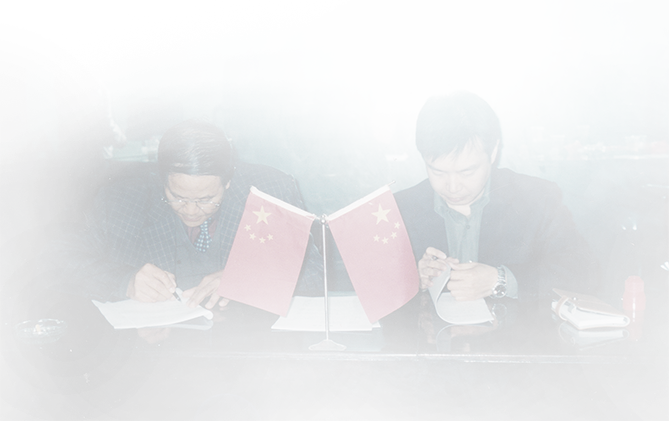
A historic signing moment from the 1970s, when HG’s founder helped drive the development of China’s food industry and began expanding into international markets.
Over the past decades, we have participated in the evolution of automated food production — from local factories to global turnkey projects across 100+ countries. That experience continues to shape every HG production line today.
Discover Our Heritage
Global Food Machinery &
Turnkey Factory Solutions

Building Long-Term Partnerships Through Shared Growth and Industrial Value.
Copyright © HG Industry Group All Rights Reserved
Food Machine Snack Food Processing Machinery

Unauthorized use of this website's content constitutes copyright infringement and may result in legal action.