 English
 中文简体
中文简体 日本語
日本語 русский
 عربى
عربى Український
 Español
 Français

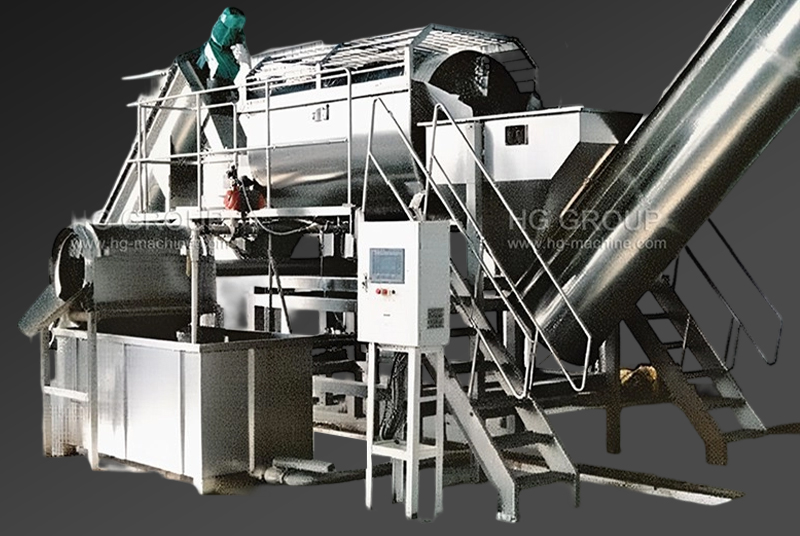
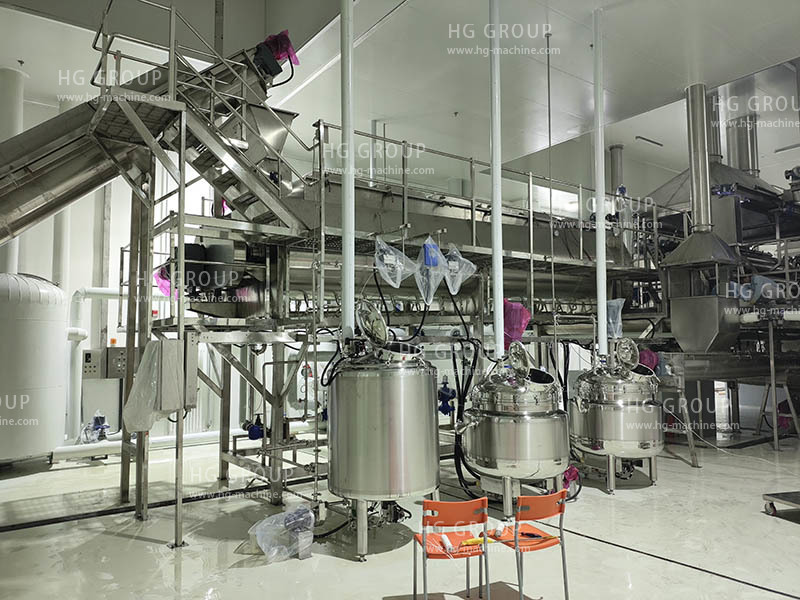
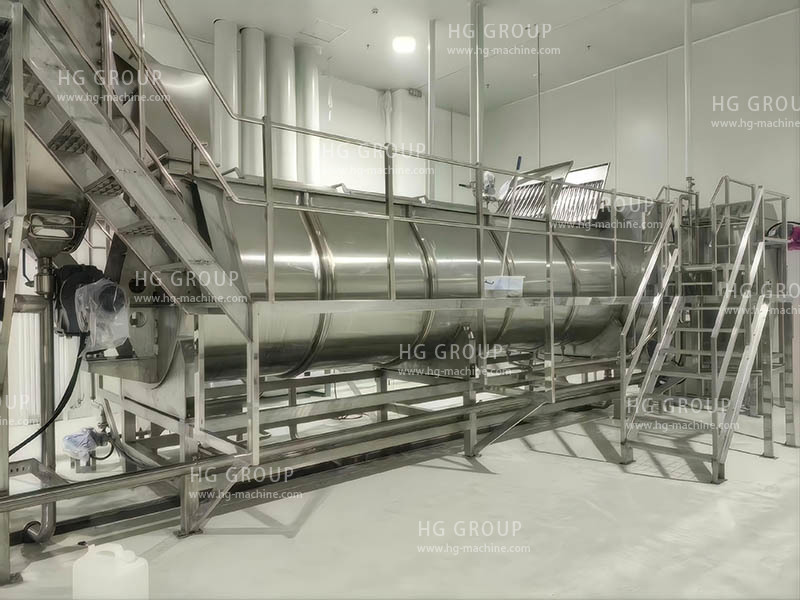
HG Automatic Potato Powder Production Line
Fully Automatic Industrial Potato Powder Processing Solution
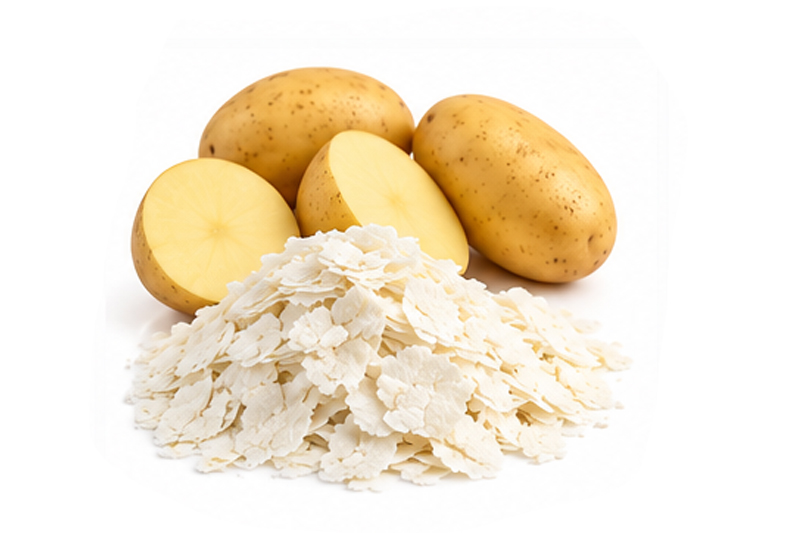
HG Group Automatic Potato Powder Production Line is a fully automatic food processing solution designed for manufacturing high-quality potato powder for snack foods, mashed potato products, bakery products, instant foods, and industrial food processing applications.
The production line processes fresh potatoes into potato powder through washing, peeling, sorting, cutting, cooking, mashing, drying, crushing, sieving, and packaging processes. HG provides stable, energy-efficient, and highly automated potato powder processing systems suitable for continuous industrial production.
With the rapid growth of global convenience foods, snack foods, and potato-based products, potato powder has become one of the important raw materials in modern food processing industries. HG combines advanced European potato processing technologies with decades of food machinery manufacturing experience to provide reliable turnkey potato powder factory solutions for global customers.
The entire potato powder production line is manufactured with 304 food-grade stainless steel and equipped with international-brand electrical components to ensure stable operation, hygienic production, and long machine service life.
Main Process of Potato Powder Production
The HG Automatic Potato Powder Production Line mainly includes:
* Potato receiving system
* Potato washing and peeling machine
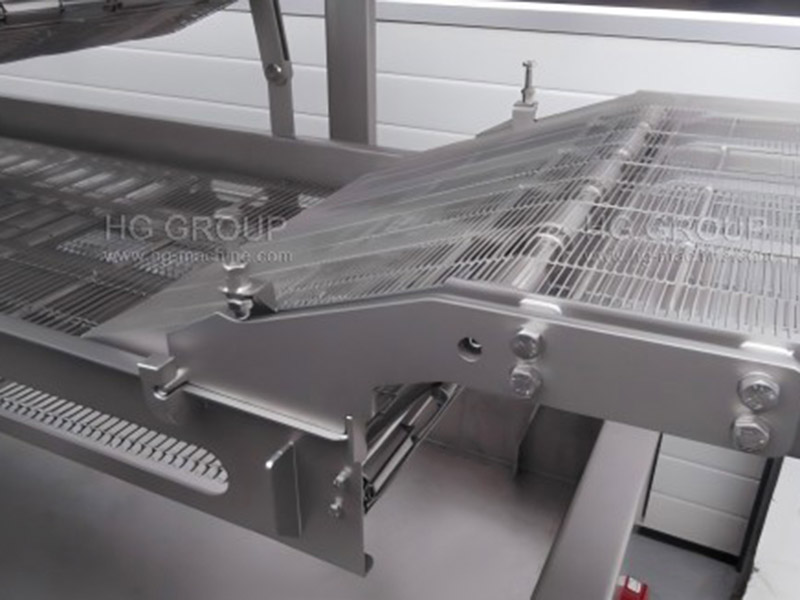
* Potato sorting conveyor
* Potato cutting system
* Cooking system
* Potato mashing system
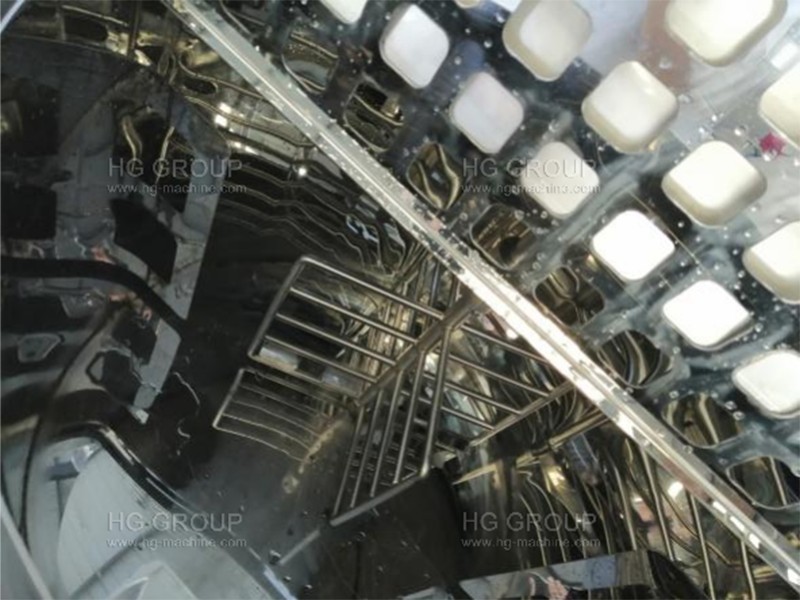
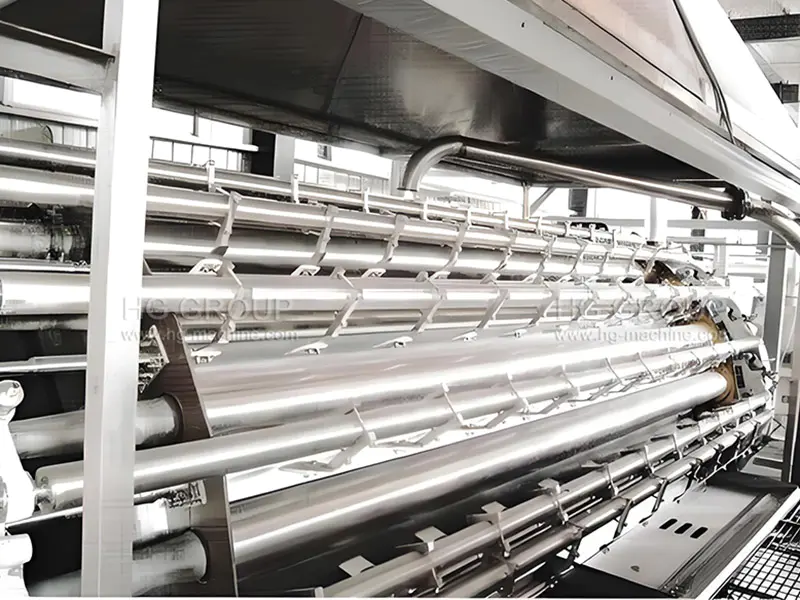
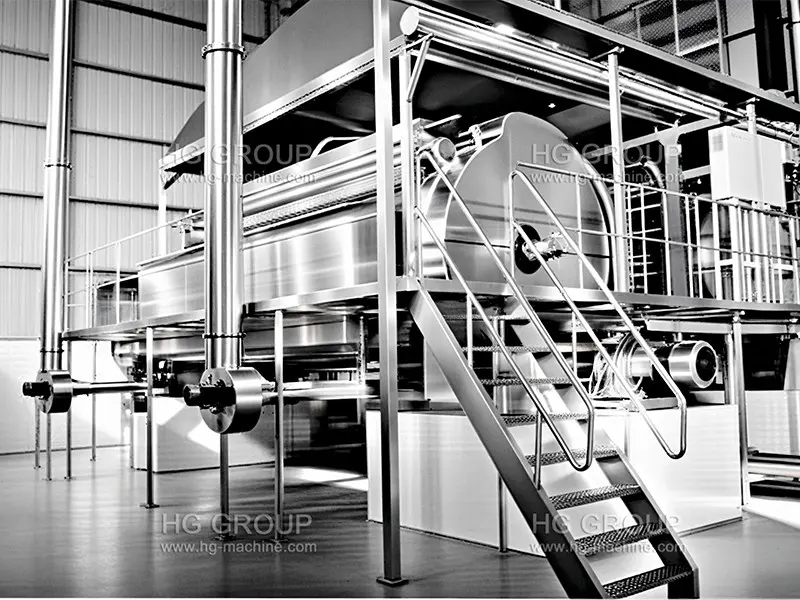
* Drum drying system
* Crushing system
* Sieving system
* Automatic packaging system
The complete production process is controlled by PLC automatic control systems for stable operation and high production efficiency.
Advantages of HG Potato Powder Production Line
#High Automation & Labor Saving
The fully automatic production system significantly reduces labor requirements and improves production efficiency.
#Stable Product Quality
Advanced processing technology ensures:
* Uniform potato powder quality
* Stable moisture content
* Better product consistency
* High production efficiency
* Low raw material waste
#Energy Saving Design
HG adopts energy-efficient drying systems and intelligent temperature control technology to reduce energy consumption and improve operational efficiency.
#Hygienic Food-Grade Design
All food-contact parts are manufactured with 304 food-grade stainless steel, complying with international food hygiene standards.
#Flexible Production Capacity
HG can provide different production capacities according to customer requirements, including:
* Small-scale potato powder production lines
* Medium-scale industrial solutions
* Large-scale continuous processing plants
Customized factory solutions are available.
Applications of Potato Powder
HG potato powder production lines are widely used for manufacturing:
* Instant mashed potato powder
* Snack food raw materials
* Potato chips raw materials
* French fries processing ingredients
* Bakery food ingredients
* Convenience food ingredients
* Frozen food ingredients
Drum Drying Technology
The production line can be equipped with advanced drum drying systems to ensure:
* Fast drying speed
* Stable powder quality
* Uniform moisture content
* Better product texture
* Continuous industrial production
Packaging Solutions
HG provides complete packaging solutions, including:
* Automatic weighing system
* Vertical packing machine
* Powder packaging system
* Automatic bagging system
* Automatic cartoning system
Packaging solutions can be customized according to retail or industrial market requirements.
HG Turnkey Factory Solution
HG provides complete turnkey potato powder factory solutions, including:
* Factory layout design
* Machine manufacturing
* Installation & commissioning
* Engineer training
* Production technology support
* Packaging solutions
* Long-term after-sales service
* Spare parts support
Global Project Experience
HG Group has more than 50 years of food machinery manufacturing experience and has exported food processing equipment to more than 100 countries worldwide.
HG potato powder production lines are widely used in:
* Potato processing factories
* Snack food factories
* Convenience food factories
* Frozen food processing plants
* Industrial food ingredient manufacturers
Physical running machines are available in HG factories, and global customers are welcome to visit for machine inspection and product testing.
Read More
HG potato powder production line is designed for industrial potato deep processing, helping customers convert fresh potatoes into high-value potato powder, potato flakes, instant mashed potato powder, and food ingredients. With complete turnkey support, customized capacity, stable drying technology, automatic control, and process engineering experience, HG helps customers build a reliable potato powder factory with higher product value, lower waste, and long-term production stability.
-
 50+ Years Since 1975
Engineering and manufacturing experience in food-processing equipment.
50+ Years Since 1975
Engineering and manufacturing experience in food-processing equipment.
-
 Project Scope and Layout
Plan soft, hard and soda biscuits production around the product, utilities and packaging interface.
Project Scope and Layout
Plan soft, hard and soda biscuits production around the product, utilities and packaging interface.
-
 Delivery Planning
Agree equipment scope, manufacturing schedule and project milestones.
Delivery Planning
Agree equipment scope, manufacturing schedule and project milestones.
-
 Operating-Cost Evaluation
Assess output, material use, staffing and utilities under defined conditions.
Operating-Cost Evaluation
Assess output, material use, staffing and utilities under defined conditions.
-
 Startup Support
Installation, commissioning, training and process support follow the agreed scope.
Startup Support
Installation, commissioning, training and process support follow the agreed scope.
-
 After-Sales Service
Remote support, spare parts and engineer assistance are arranged for the project.
After-Sales Service
Remote support, spare parts and engineer assistance are arranged for the project.

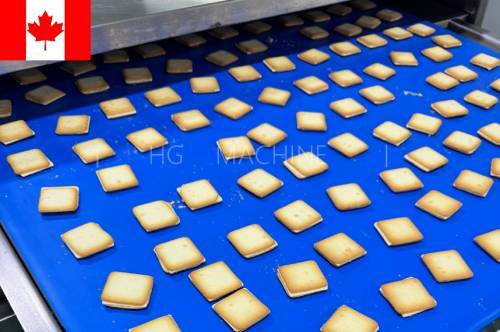
HG Industry Group provides food-processing machinery and production-line solutions for manufacturers with different biscuit production requirements. For langue de chat biscuits and compatible thin-cookie products, the equipment layout focuses on forming, baking, product handling, chocolate decorating, cooling, and packaging.
Global Installation Support | Custom Engineering | Turnkey Factory Expertise
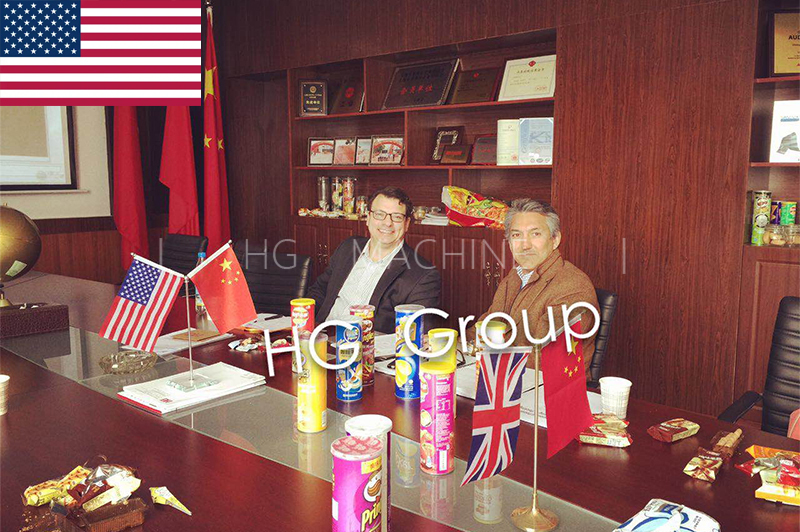
HG production lines have been successfully supplied to customers across the Middle East, Europe, Asia, Africa and Latin America. With extensive export experience, HG supports international projects with machine manufacturing, shipping coordination, overseas installation and long-term technical service. Trusted in Saudi Arabia, UAE, Algeria, Egypt, Russia, India, Indonesia, Mexico and 100+ countries worldwide.













HG Potato Powder Production Line
1. What can this line produce?
Potato powder / potato flour / potato flakes / starch-related products
2. What is the full process?
Washing → Peeling → Slicing → Cooking → Drying → Milling → Sieving → Packing
3. What problem does HG solve?
Unstable moisture, uneven color, high labor cost, low yield, poor hygiene, difficult mass production
4. Why is HG better?
Turnkey engineering + stable drying + automatic control + process support + global installation
5. What does the customer gain?
Higher yield, stable quality, less labor, lower waste, easier commercial production
Q1: What is a potato powder production line?
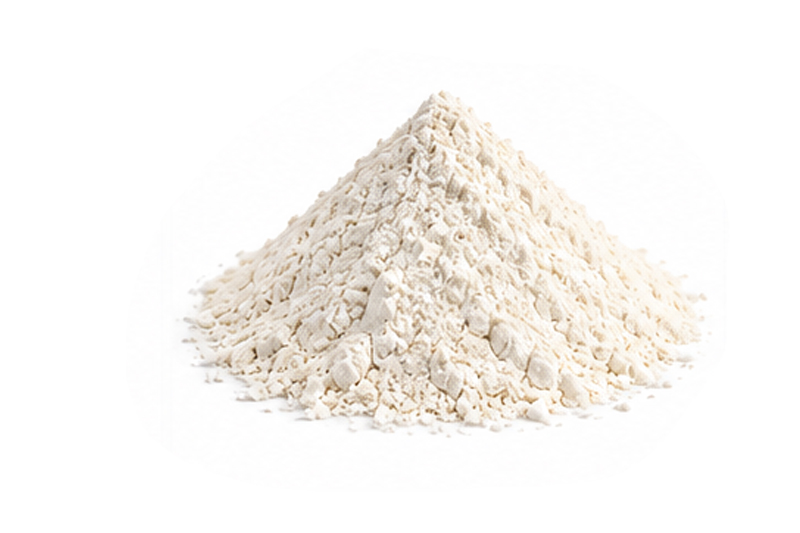
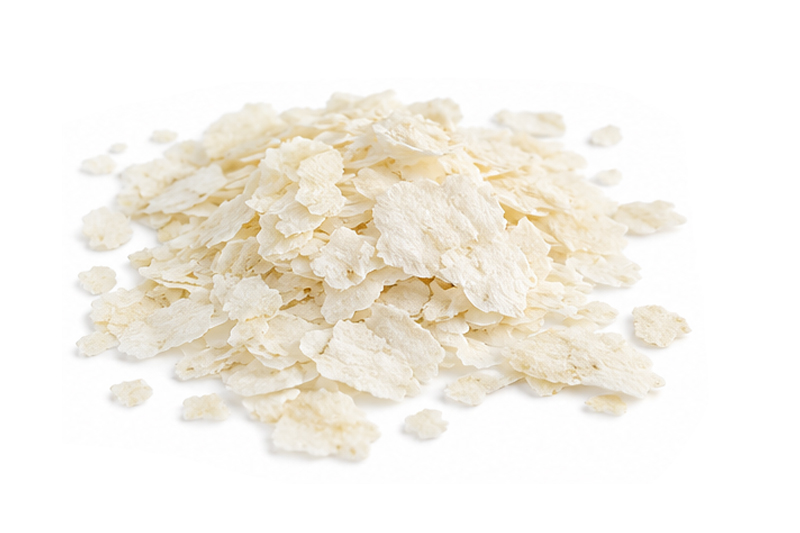
A potato powder production line is a fully automatic food processing system used to convert fresh potatoes into potato powder, potato flakes, and instant mashed potato ingredients.
Q2: What raw materials are used for potato powder production?
The main raw material is fresh potatoes. HG can recommend suitable potato varieties according to starch content, product quality requirements, and market applications.
Q3: What products can the HG potato powder production line produce?
HG potato powder production lines can produce:
* Potato powder
* Potato flakes
* Instant mashed potato ingredients
* Potato chips raw materials
* Snack food ingredients
* Bakery food ingredients
* Convenience food ingredients
Q4: Is the HG potato powder production line fully automatic?
Yes. The entire production line is fully automatic, including:
* Automatic feeding
* Washing and peeling
* Cutting
* Cooking
* Mashing
* Drying
* Crushing
* Sieving
* Packaging
The PLC automatic control system helps reduce labor costs and improve production efficiency.
Q5: What production capacities are available?
HG can provide different production capacities, including:
* Small-scale potato powder production lines
* Medium-scale industrial solutions
* Large-scale continuous processing plants
Customized factory solutions are also available.
Q6: What are the advantages of HG potato powder production lines?
HG potato powder production lines offer:
* High automation
* Stable continuous production
* Energy-saving design
* Stable product quality
* Uniform moisture control
* High raw material utilization
* Easy operation and maintenance
* Long machine service life
Q7: What drying system does HG use?
HG adopts advanced drum drying systems with intelligent temperature control technology to ensure:
* Fast drying speed
* Stable powder quality
* Uniform moisture content
* Continuous industrial production
* Lower energy consumption
Q8: Why is drum drying suitable for potato powder production?
Drum drying systems provide:
* High drying efficiency
* Better product consistency
* Continuous production capability
* Uniform powder texture
* Stable industrial processing performance
Q9: What material is used for the machine?
The entire production line is manufactured with 304 food-grade stainless steel, meeting international food hygiene standards and ensuring long-term stable operation.
Q10: Can HG provide packaging solutions?
Yes. HG provides complete packaging solutions, including:
* Automatic weighing system
* Powder packaging system
* Vertical packing machine
* Automatic bagging system
* Automatic cartoning system
Q11: How much labor can be saved with an automatic potato powder production line?
Compared with traditional manual production, HG fully automatic potato powder production lines can reduce labor costs by up to 60–70%.
Q12: What industries use potato powder products?
HG potato powder products are widely used in:
* Snack food industry
* Potato chips manufacturing
* French fries processing
* Bakery industry
* Convenience food industry
* Frozen food industry
* Food ingredient processing industry
Q13: Can HG provide turnkey factory solutions?
Yes. HG provides complete turnkey factory solutions, including:
* Factory layout design
* Machine manufacturing
* Installation & commissioning
* Engineer training
* Production technology support
* Packaging solutions
* Long-term after-sales service
Q14: What is the ROI period for a potato powder factory?
Most customers can achieve ROI within 6–12 months depending on:
* Production capacity
* Raw material costs
* Energy costs
* Product selling prices
* Market demand
Q15: Which countries already use HG potato powder production lines?
HG food processing equipment has been exported to more than 100 countries, including:
* Saudi Arabia
* UAE
* Algeria
* Egypt
* India
* Indonesia
* Russia
* Turkey
* Mexico
* Nigeria
Q16: Why choose HG potato powder production lines?
HG offers:
* Mature potato processing technology
* European-standard engineering
* Stable machine quality
* High automation systems
* Energy-saving drying technology
* Turnkey factory solutions
* Global installation support
* Long-term after-sales service
Q17: Can customers visit the HG factory?
Yes. HG factories have physical running production lines available for customer visits, machine inspections, and product testing.
Q18: Does HG provide technical training and support?
Yes. HG provides professional technical support, including:
* Equipment operation training
* Equipment maintenance training
* Drying process guidance
* Product quality optimization
* Packaging solution support
Q19: What types of factories are suitable for HG potato powder production lines?
HG potato powder production lines are suitable for:
* Potato processing factories
* Food ingredient manufacturers
* Snack food factories
* Convenience food factories
* Frozen food processing plants
* Industrial food processing companies
Q20: What makes HG potato powder production lines different?
HG focuses not only on machinery manufacturing, but also on helping customers build profitable potato processing factories through mature processing technology, stable production systems, energy-saving drying solutions, and long-term service capability.
Industry Knowledge
Understanding Modern Potato Powder Production Lines
A potato powder production line is designed to convert fresh potatoes into stable, easy-to-use potato powder while retaining natural flavor, color, and nutritional value. In industrial food processing, this type of line is widely used to support the production of snacks, instant foods, seasonings, and reconstituted potato products. Compared with traditional drying methods, modern production lines focus on continuous operation, precise moisture control, and consistent product quality.
Core Processing Stages in a Potato Powder Production Line
An industrial potato powder production line typically integrates multiple processing stages into a continuous system. Each stage plays a critical role in determining the final powder structure, taste, and solubility. Based on long-term industrial practice, the following steps are commonly adopted.
- Raw potato cleaning and peeling to remove soil, impurities, and surface defects
- High-pressure steaming or cooking to gelatinize starch and enhance natural potato aroma
- Mashing and backfilling to form a uniform potato slurry suitable for drying
- Drum drying or airflow drying to achieve controlled moisture reduction
- Granulation, milling, and screening to meet different particle size requirements
Key Equipment Configuration and Technical Focus
The performance of a potato powder production line depends heavily on equipment configuration and process integration. Drum dryers are widely applied due to their stable heat transfer and suitability for potato-based materials. Through precise temperature and rotation control, the drying process maintains flavor integrity while supporting high throughput. Airflow drying systems are often combined to improve powder looseness and storage stability.
In practical projects, equipment layout, automation level, and cleaning convenience are also important considerations, especially for food manufacturers operating under strict hygiene and export standards.
Industrial Applications and Market Demand
Potato powder produced by industrial production lines is widely used across multiple food sectors. Its ease of storage, transport, and formulation makes it suitable for both large-scale factories and regional processing plants.
- Snack foods such as potato chips, pellets, and extruded products
- Instant mashed potatoes and convenience foods
- Seasoning powders and compound food ingredients
- Food service and catering supply chains
Manufacturing Experience and Turnkey Project Capability
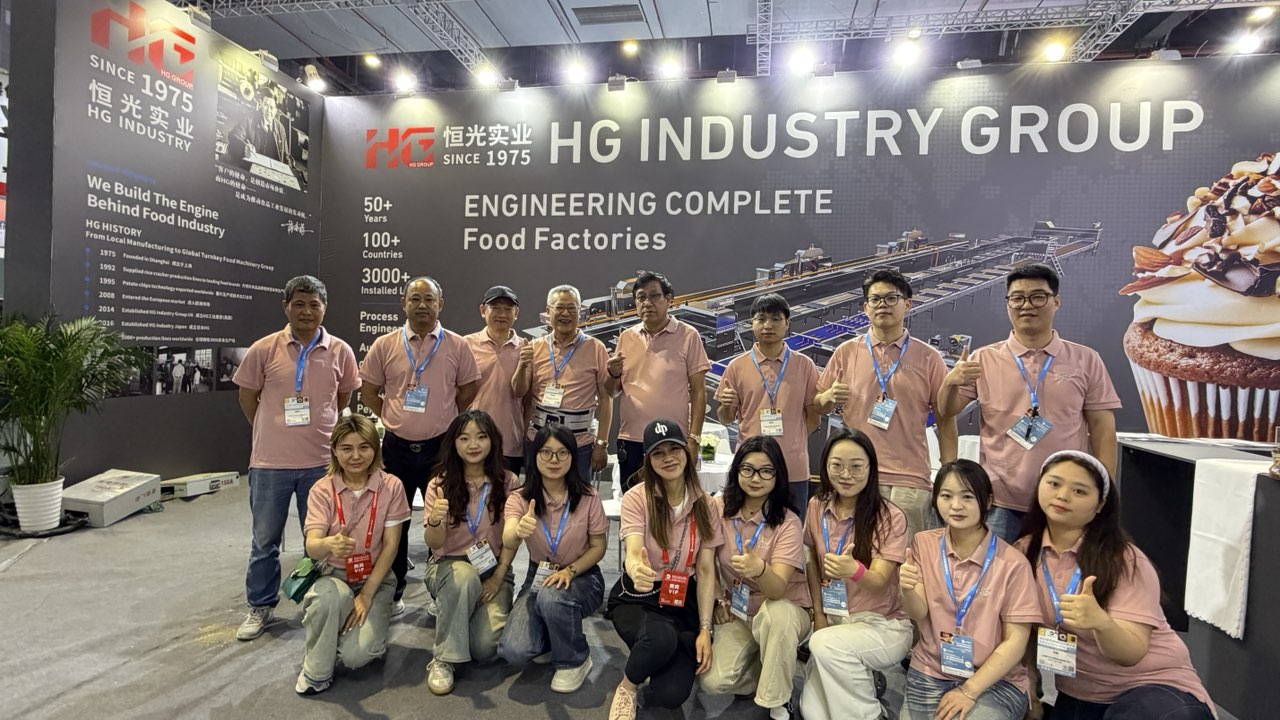
With over 50 years of experience in food machinery manufacturing, HG Industry Group has developed and delivered potato powder production lines to customers across Asia, Europe, the Middle East, Africa, and the Americas. Backed by more than 300 national patents and certifications such as CE, BV, and ISO, the company combines long-term process know-how with continuous technical innovation.
From equipment design and pilot testing to full-scale factory layout and commissioning, HG Industry provides customized turnkey solutions tailored to different raw materials, capacity requirements, and market standards. Long-term cooperation with internationally recognized brands reflects the practical reliability and industrial adaptability of its production lines.
Global Project Experience and Technical Support Network
HG Industry’s potato powder production lines have been successfully implemented in diverse regions including Japan, the United States, Australia, Russia, Southeast Asia, the Middle East, and Africa. Supported by its R&D center in Japan and smart manufacturing base in Shanghai, the company maintains a complete technical support system covering process optimization, equipment upgrades, and after-sales service.
This integrated model enables food manufacturers to build stable, scalable potato powder processing facilities while adapting to local regulations and consumer preferences.
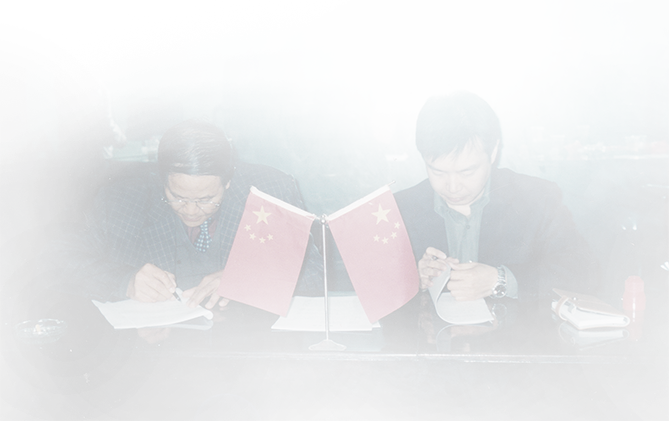
A historic signing moment from the 1970s, when HG’s founder helped drive the development of China’s food industry and began expanding into international markets.
Over the past decades, we have participated in the evolution of automated food production — from local factories to global turnkey projects across 100+ countries. That experience continues to shape every HG production line today.
Discover Our Heritage
Global Food Machinery &
Turnkey Factory Solutions

Building Long-Term Partnerships Through Shared Growth and Industrial Value.
Copyright © HG Industry Group All Rights Reserved
Food Machine Snack Food Processing Machinery

Unauthorized use of this website's content constitutes copyright infringement and may result in legal action.