 English
 中文简体
中文简体 日本語
日本語 русский
 عربى
عربى Український
 Español
 Français

Complete CAPEX and OPEX Model for a 500 kg/h Potato Chips Factory
Equipment price is only one part of the economics of a potato chips factory.
A complete financial model should calculate both CAPEX and OPEX.
CAPEX
Capital expenditure may include:
Processing equipment
* potato preparation;
* frying;
* seasoning;
* conveying.
Packaging
* weighers;
* baggers;
* nitrogen;
* inspection.
Utilities
* electrical;
* gas;
* air;
* water;
* exhaust.
Factory
* building;
* flooring;
* drainage;
* warehouse.
Project execution
* design;
* freight;
* customs;
* installation;
* commissioning;
* training.
OPEX
Operating expenditure includes:
Potatoes
Use:
Potato cost/kg finished product = Potato price ÷ Yield
Cooking oil
Calculate fresh oil replenishment rather than simply fryer fill volume.
Packaging
For small retail packs, packaging can become a substantial cost per kilogram.
Energy
Include both:
* processing heat;
* electrical consumption.
Labor
Calculate:
Employees × Total employment cost
not only base salary.
Maintenance
Include:
* wear parts;
* lubrication;
* belts;
* sensors;
* filters;
* scheduled service.
Example Annual Production
500 kg/h
× 16 h/day
× 300 days
= 2.4 million kg theoretical production
At 85% effective utilization:
= 2.04 million kg/year
Calculate Cost per Kilogram
Use:
Total annual variable and operating cost ÷ Saleable annual output
This figure is more useful than simply knowing the hourly electricity consumption.
Break-Even
If:
Fixed annual cost = F
Selling price/kg = S
Variable cost/kg = V
Then:
Break-even volume = F ÷ (S − V)
ROI
A simplified ROI calculation is:
Annual return ÷ Total invested capital
But investors should model:
* conservative;
* base;
* optimistic
scenarios.
Changing potato price, yield or plant utilization by only a few percentage points can materially alter the result.
Final Procurement Principle
The correct question is not:
Which production line costs the least?
It is:
Which production system gives the lowest sustainable cost per kilogram while consistently producing the required quality and capacity?
That is the economic basis for evaluating an industrial potato chips project.
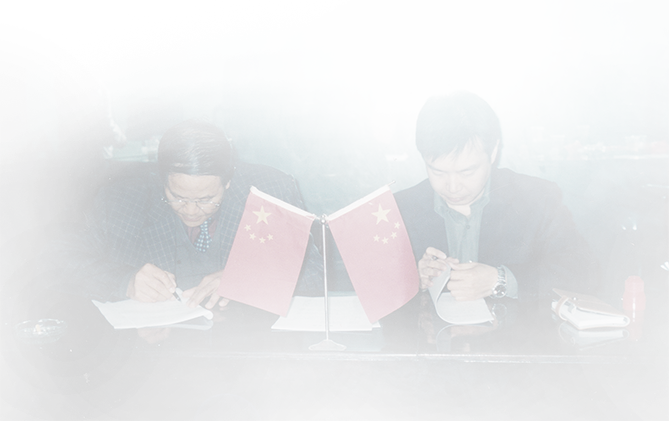
A historic signing moment from the 1970s, when HG’s founder helped drive the development of China’s food industry and began expanding into international markets.
Over the past decades, we have participated in the evolution of automated food production — from local factories to global turnkey projects across 100+ countries. That experience continues to shape every HG production line today.
Discover Our Heritage
Global Food Machinery &
Turnkey Factory Solutions

Building Long-Term Partnerships Through Shared Growth and Industrial Value.
Copyright © HG Industry Group All Rights Reserved
Food Machine Snack Food Processing Machinery

Unauthorized use of this website's content constitutes copyright infringement and may result in legal action.