 English
 中文简体
中文简体 日本語
日本語 русский
 عربى
عربى Український
 Español
 Français
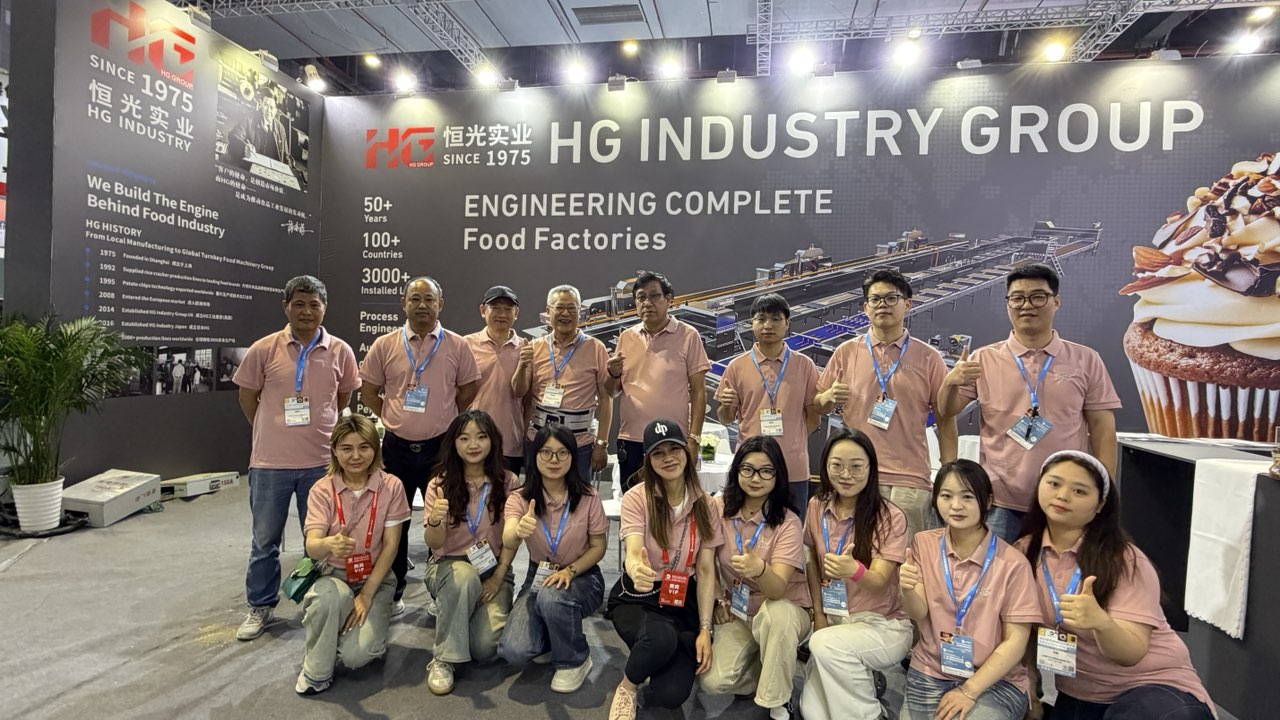


500 kg/h Potato Chips Factory Investment Calculator
The cost of a potato chips factory cannot be calculated accurately from the production-line price alone.
A realistic investment model should include four categories:
Production equipment + Factory infrastructure + Project implementation + Working capital
Step 1: Calculate Production Volume
Assume:
Finished capacity = 500 kg/h
Operating hours = 16 h/day
Operating days = 300 days/year
Annual theoretical output:
500 × 16 × 300 = 2,400,000 kg/year
This is theoretical capacity.
A more conservative model should apply an operating efficiency factor.
If effective utilization is 85%:
2,400,000 × 85% = 2,040,000 kg/year
That figure is more useful for financial modelling.
Step 2: Calculate Raw Potato Requirement
Use:
Raw potato required = Finished product ÷ Overall yield
At 25% yield:
2,040,000 ÷ 0.25
= 8,160,000 kg potatoes/year
At 22% yield:
= 9,272,727 kg/year
This illustrates why potato yield has a major financial impact.
Step 3: Estimate CAPEX
CAPEX should include:
Production equipment
* washing;
* peeling;
* slicing;
* blanching;
* fryer;
* oil filtration;
* seasoning;
* packaging.
Factory infrastructure
* building;
* flooring;
* drainage;
* power distribution;
* gas installation;
* compressed air;
* nitrogen;
* ventilation;
* warehouse.
Project costs
* freight;
* customs;
* installation;
* commissioning;
* technician travel;
* training;
* spare parts.
Working capital
* potatoes;
* cooking oil;
* seasoning;
* film;
* cartons;
* salaries;
* receivables.
A serious financial model should not classify working capital as an optional expense.
Step 4: Calculate OPEX
A simplified production cost formula is:
Cost/kg = Potatoes + Oil + Energy + Packaging + Labor + Seasoning + Maintenance + Overhead
Example:
If raw potatoes cost P per kg and yield is Y:
Potato cost per kg finished chips = P ÷ Y
At a potato cost of $0.30/kg and 25% yield:
$0.30 ÷ 0.25 = $1.20/kg finished chips
This immediately shows how raw potato price and yield affect profitability.
Step 5: Calculate Gross Margin
If:
Selling price = S
Production cost = C
Then:
Gross margin/kg = S − C
Annual gross margin:
Annual output × Gross margin/kg
However, gross margin is not net profit.
Administrative cost, financing, depreciation, tax, sales commission and distribution must still be considered.
Step 6: Calculate Payback
A simplified formula is:
Payback period = Total initial investment ÷ Annual project cash contribution
Do not calculate payback using equipment price only.
Variables That Matter Most
The most sensitive inputs are usually:
- potato price;
- potato yield;
- cooking oil consumption;
- packaging cost;
- utilization rate;
- selling price;
- energy price.
Buyers should run at least three scenarios:
Conservative / Base / Optimistic
That is far more useful than relying on one ROI number provided by a machinery supplier.

A historic signing moment from the 1970s, when HG’s founder helped drive the development of China’s food industry and began expanding into international markets.
Over the past decades, we have participated in the evolution of automated food production — from local factories to global turnkey projects across 100+ countries. That experience continues to shape every HG production line today.
Discover Our Heritage
Global Food Machinery &
Turnkey Factory Solutions

Building Long-Term Partnerships Through Shared Growth and Industrial Value.
Copyright © HG Industry Group All Rights Reserved
Food Machine Snack Food Processing Machinery

Unauthorized use of this website's content constitutes copyright infringement and may result in legal action.