 English
 中文简体
中文简体 日本語
日本語 русский
 عربى
عربى Український
 Español
 Français

500 kg/h Potato Chips Production Line: Complete Buyer’s Guide
A 500 kg/h potato chips production line is a medium-to-large industrial system designed to produce approximately 500 kilograms of finished potato chips per hour under defined operating conditions.
However, buyers should not select a line based on the headline capacity alone.
The real engineering question is:
What raw potato input, fryer capacity, oil circulation system, utilities, packaging system, factory space and operating cost are required to continuously achieve 500 kg/h of saleable finished chips?
What Does 500 kg/h Actually Mean?
The first point that must be clarified with any supplier is whether the quoted capacity means:
* raw potato input;
* sliced potato input;
* fryer throughput; or
* finished potato chips output.
These are completely different numbers.
For example, fresh potatoes contain a large amount of water. During peeling, trimming, slicing and frying, significant weight is removed.
A simplified yield formula is:
Finished chips output = Raw potato input × Overall yield
If the overall yield is 25%, producing 500 kg/h of finished chips would theoretically require:
500 ÷ 0.25 = 2,000 kg/h raw potatoes
Actual yield depends on potato variety, dry matter, peeling loss, trimming, slice thickness and final moisture.
Therefore, the supplier should provide both:
Raw potato input capacity + guaranteed finished product output
rather than quoting only one number.
Typical Production Process
A complete industrial line normally includes:
Raw potato receiving
→ sorting
→ washing
→ peeling
→ inspection
→ slicing
→ starch removal
→ blanching
→ dewatering
→ frying
→ deoiling
→ seasoning
→ cooling
→ weighing
→ nitrogen-flush packaging
Some factories also require automatic raw potato feeding, optical sorting, centralized oil filtration, CIP systems and automated secondary packaging.
Main Equipment
A typical 500 kg/h project may include:
- Potato receiving hopper
- Elevator and conveyors
- Washer
- Peeler
- Inspection table
- Potato slicer
- Starch washing system
- Blancher
- Dewatering equipment
- Continuous fryer
- Oil filtration system
- Oil storage and circulation system
- Deoiling conveyor
- Seasoning system
- Cooling conveyor
- Multihead weighers
- Vertical packaging machines
- Nitrogen supply system
- Control system
The fryer, oil management system and packaging section normally deserve the most technical attention.
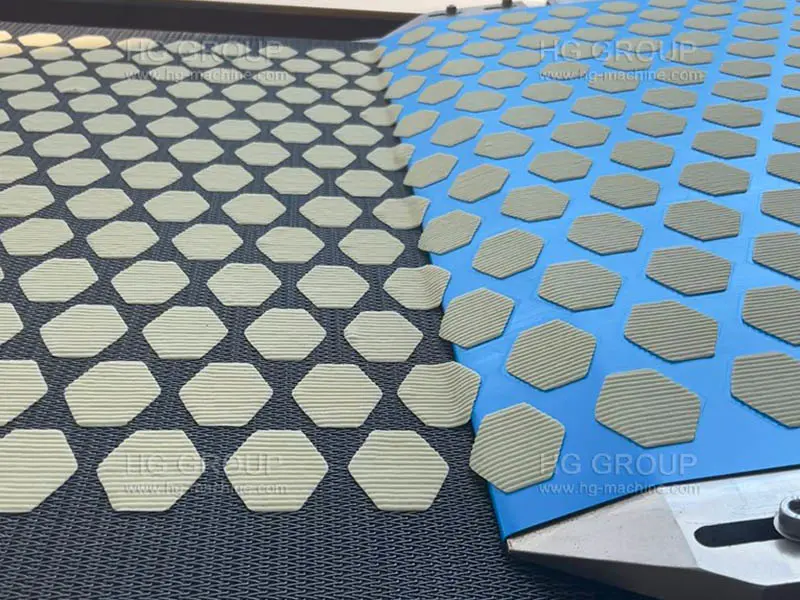
Continuous Frying
At 500 kg/h finished output, a continuous fryer is normally more appropriate than batch frying.
A good fryer system should control:
* oil temperature;
* residence time;
* oil level;
* product loading;
* circulation;
* filtration;
* exhaust;
* fire safety.
Uniform frying is not achieved simply by setting one temperature.
The frying process must maintain stable thermal conditions even when incoming potato moisture or production load changes.
Oil Management
Cooking oil is one of the largest operating costs in potato chips manufacturing.
Buyers should evaluate:
* oil turnover rate;
* filtration accuracy;
* crumb removal;
* oil circulation;
* oxidation exposure;
* fryer oil volume;
* oil replenishment strategy.
Poor filtration can shorten oil life, increase product defects and raise operating cost.
Factory Utilities
A 500 kg/h line may require:
* electricity;
* gas or another heating fuel;
* water;
* compressed air;
* nitrogen;
* drainage;
* exhaust ventilation.
The exact requirements should be calculated from the selected equipment rather than estimated only from production capacity.
Packaging
The packaging system must be sized to match the real fryer output.
For example, if the factory produces 50 g packs:
500 kg/h ÷ 0.05 kg = 10,000 bags per hour
That is approximately:
167 bags per minute
A single packaging machine may therefore be insufficient depending on its actual operating speed.
This is why line capacity and packaging capacity must be engineered together.
Questions Buyers Should Ask
Before ordering a 500 kg/h line, request written confirmation of:
* finished output;
* raw potato consumption;
* fryer capacity;
* oil consumption assumptions;
* installed electrical load;
* heating requirement;
* water consumption;
* manpower;
* factory dimensions;
* packaging speed;
* installation scope;
* commissioning scope;
* acceptance criteria.
Conclusion
A 500 kg/h potato chips production line is not one machine.
It is an integrated factory system.
The correct supplier should be able to explain the relationship between:
raw material → process → equipment → utilities → product quality → packaging → operating cost
That is a more reliable purchasing criterion than comparing machine prices alone.
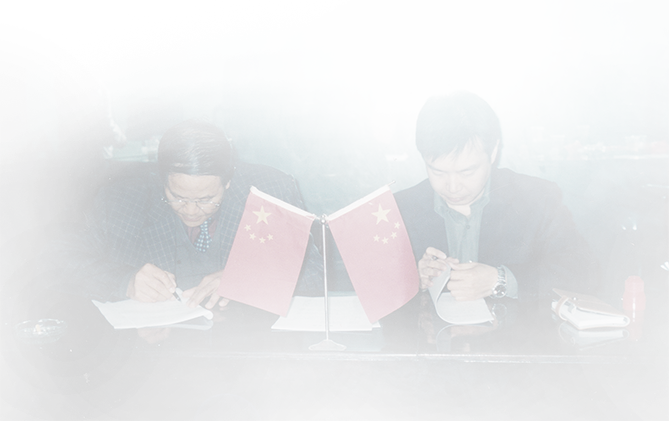
A historic signing moment from the 1970s, when HG’s founder helped drive the development of China’s food industry and began expanding into international markets.
Over the past decades, we have participated in the evolution of automated food production — from local factories to global turnkey projects across 100+ countries. That experience continues to shape every HG production line today.
Discover Our Heritage
Global Food Machinery &
Turnkey Factory Solutions

Building Long-Term Partnerships Through Shared Growth and Industrial Value.
Copyright © HG Industry Group All Rights Reserved
Food Machine Snack Food Processing Machinery

Unauthorized use of this website's content constitutes copyright infringement and may result in legal action.