 English
 中文简体
 日本語
 русский
 عربى
 Український
 Español
 Français


Automatic Fried Rice Cracker Production Line: Process, Equipment, Capacity & Cost
Content
- 1. What Is an Automatic Fried Rice Cracker Production Line?
- 2. Not All Rice Crackers Are Made the Same Way
- 3. Key Equipment in a Fried Rice Cracker Production Line
- 4. How the Production Process Works: Step by Step
- 5. Which Configuration Fits Which Product?
- 6. Benefits of Choosing an Automatic Production Line
- 7. Production Capacity and Configuration Options
- 8. Key Factors to Consider Before Buying
- 9. Cost and ROI of a Fried Rice Cracker Production Line
- 10. How to Choose a Reliable Production Line Manufacturer
- 11. Maintenance Tips to Extend Equipment Life
- 12. Conclusion
1. What Is an Automatic Fried Rice Cracker Production Line?
An automatic fried rice cracker production line is a continuous processing system that turns rice, glutinous rice or rice flour into crisp, fried snack products. A typical line covers raw material handling, cooking and forming, drying, moisture control, frying, de-oiling, seasoning and packaging, with conveying and temperature control linking each stage.
The term "rice cracker" covers many different products, though, and they do not all follow the same route. This guide focuses on fried rice crackers. Where a product is normally baked, puffed or sugar-coated instead, we say so clearly, because buying equipment for the wrong process is one of the most expensive mistakes a new producer can make.
2. Not All Rice Crackers Are Made the Same Way
Before comparing machines, confirm which product you actually want to make. The table below summarizes the most common categories. Recipes and brands vary, so treat it as a general guide and always confirm the route with test runs.
|
Product type |
Typical process |
Fried? |
Covered in this guide? |
|
Pellet-based puffed rice crackers |
Rice flour or starch cooked and formed, dried into pellets or sheets, then fried to puff |
Yes |
Yes, main focus |
|
Cooked-rice pressed crackers (crispy rice chips) |
Cook rice, press into sheets, cut, dry, fry |
Yes |
Yes, main focus |
|
Glutinous rice crackers (okaki, arare, some age-senbei) |
Steam glutinous rice, pound or knead, form, set, slice, dry, then fry or bake |
Depends on product |
Partly |
|
Senbei (typically non-glutinous rice) |
Form, then bake, often brushed with sauce |
Usually baked |
No, needs a baking line |
|
Snow rice crackers |
Form, puff or bake, then coat with syrup or sugar |
Usually not fried |
No, needs baking and coating equipment |
|
Puffed rice cakes |
High-temperature, high-pressure puffing in a mold |
No |
No, needs a puffing machine |
Process routes vary by recipe and target texture; always confirm with test runs.
If your product sits in the last three rows, a fried rice cracker line is not the right starting point. Ask your supplier about baking, coating or puffing configurations instead.
3. Key Equipment in a Fried Rice Cracker Production Line
A complete line is best understood section by section.
Raw material handling. Rice washers and soaking tanks, mills or pulverizers for flour-based recipes, and mixers or batching units for blending flour, starch, water and seasoning ingredients.
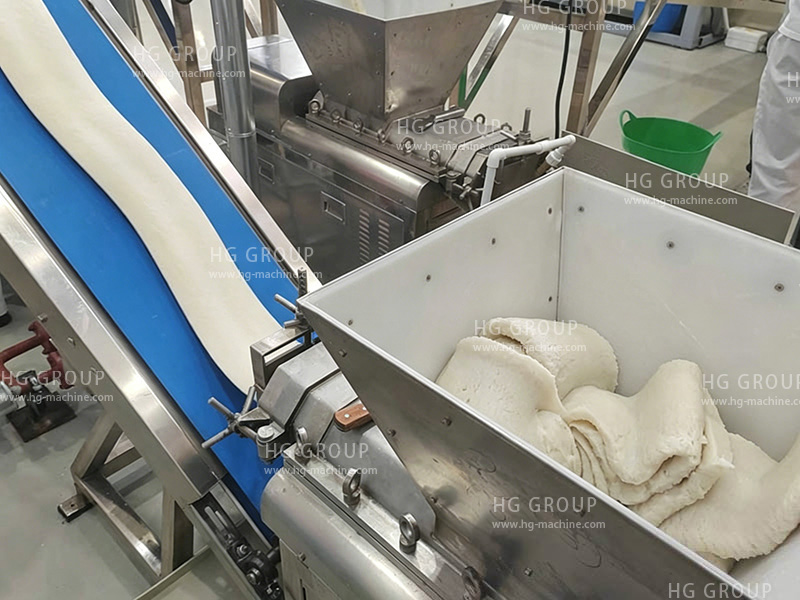
Cooking and forming. Depending on the product, this may be a steamer or cooker for rice and glutinous rice, a cooking extruder for pellet production, a pressing or sheeting machine, and a cutter or slicer to set final shape and thickness.
Drying. Hot-air dryers or multi-layer drying ovens, often followed by a cooling or conditioning (tempering) section so moisture can equalize inside each piece.
Frying. A continuous fryer with controlled oil temperature, adjustable conveyor speed, oil filtration and circulation. Heating can be electric, gas-fired or thermal oil, depending on your site and energy costs.
De-oiling. Centrifugal de-oilers, vibrating de-oiling conveyors or hot-air de-oiling units that remove surface oil after frying.
Seasoning. A drum seasoning machine with oil spraying and powder dosing so flavor is applied evenly while crackers are still warm.
Packaging. Multihead weighers, vertical form-fill-seal machines, optional nitrogen flushing, and metal detection or checkweighing for food safety and compliance.
4. How the Production Process Works: Step by Step
Each stage below affects the next, so problems that start early tend to show up as defects at the fryer.
Step 1: Raw Material Handling
Rice variety and blend matter. Non-glutinous, glutinous and broken rice behave differently in cooking, expansion and final bite. Rice is washed and soaked, then either milled into flour or cooked whole, depending on the product. Consistent particle size and water absorption at this stage give much more stable results downstream.
Step 2: Forming
The cooked material is pressed, sheeted, extruded or sliced into its final shape. Thickness and uniformity are critical: uneven pieces dry unevenly and fry unevenly, producing a mix of undercooked, overcooked and misshapen crackers.
Step 3: Drying
Formed pieces are dried to remove most of the water in a controlled way. Drying too aggressively can harden the surface while leaving the center wet, which later causes poor expansion or cracking. Staged temperature and airflow settings usually work better than a single hot pass.
Step 4: Moisture Control
Before frying, the moisture content of the dried piece must sit inside the window your recipe requires. Many fried snack formulations work with a fairly narrow range, often cited at roughly 8% to 12%, but the right figure depends on the recipe and product type and should be confirmed through testing. Too much moisture can cause violent bubbling, collapse or uneven texture. Too little can limit expansion and give a dense, hard result. A conditioning stage and an inline or lab moisture check help keep this stable.
Step 5: Frying
Frying sets the final texture. Oil temperature, residence time, oil level and conveyor speed must be tuned together for each product. Good fryers hold temperature steadily and filter the oil continuously. Operators should also monitor oil quality, including acid value and polar compounds, and refresh oil on a schedule, since degraded oil harms flavor, color and shelf life.
Step 6: De-oiling
Removing surface oil improves crispness, reduces greasiness and supports a longer shelf life. The right method depends on product fragility: centrifugal de-oiling is efficient for sturdier pieces, while vibrating or hot-air methods are gentler on delicate shapes.
Step 7: Seasoning
Seasoning is applied soon after frying, while the surface is still slightly warm and receptive. A rotating drum with metered oil and powder dosing gives more even coverage than manual methods and cuts seasoning waste.
Step 8: Cooling and Packaging
Crackers should be cooled before packing to prevent condensation inside the bag. Packaging should protect against moisture and breakage, and many producers use nitrogen flushing to slow oxidation and preserve crunch. Inline metal detection and checkweighing add a final quality gate.
5. Which Configuration Fits Which Product?
The right line layout depends on the product you plan to sell.
Configuration A: Pellet-based puffed crackers. The core of this line is the drying, conditioning and frying sections. Some producers buy ready-made pellets and install only the fryer, de-oiler, seasoning and packaging units, which lowers upfront investment. Others add a cooking extruder and cutter to produce pellets in-house for better control over recipe and cost.
Configuration B: Cooked-rice pressed crackers. Here the emphasis is on cooking, pressing, cutting and drying. Cooked rice is sticky and variable, so forming equipment and drying control deserve extra attention.
Configuration C: Glutinous rice crackers. These lines usually need steaming, pounding or kneading, forming, setting and slicing equipment ahead of drying and frying. Because some glutinous products are baked rather than fried, confirm the finishing method before specifying equipment.
Non-fried products. For senbei, snow rice crackers or puffed rice cakes, request an offer built around baking ovens, coating drums or puffing machines. Mixing these with a fried line concept often leads to mismatched equipment.
6. Benefits of Choosing an Automatic Production Line
Compared with semi-manual production, an automatic line can help with:
- Product consistency:controlled forming, drying and frying settings reduce batch-to-batch variation.
- Labor efficiency:continuous conveying and automated seasoning can reduce manual handling and staffing needs.
- Hygiene and safety:enclosed conveying, stainless steel contact surfaces and fewer manual touchpoints support food safety programs.
- Lower waste:tighter control of oil temperature, seasoning dosing and weight can help reduce rework, oil use and give-away.
- Traceability:PLC controls and data logging make it easier to document process parameters by batch.
Actual gains depend on your starting point, product and operating discipline.
7. Production Capacity and Configuration Options
Capacity is usually grouped into small, medium and large tiers, but there is no universal number for any tier. Real output depends on product type, thickness, frying time, moisture content, number of shifts and how much of the line is automated.
|
Tier |
Typical use |
Configuration tendencies |
|
Small |
Start-ups, regional brands, product development |
Compact equipment, more manual transfer between sections, often buying pellets or semi-finished material |
|
Medium |
Growing brands, regional distribution |
Continuous fryer and dryer, automated de-oiling and seasoning, semi-automatic or automatic packaging |
|
Large |
Established manufacturers, national or export supply |
Fully integrated line from forming to packing, central PLC control, inline inspection, energy recovery options |
Ask each supplier for output figures stated per product, thickness and frying time, not just a headline kg/h number, and ask what raw material and finished moisture the figure assumes.
8. Key Factors to Consider Before Buying
- Target product and texture.Define the product first, then the process route.
- Raw materials.Rice type, flour or pellet source and their consistency affect equipment choice.
- Capacity and growth plans.Choose a layout that lets you add dryers, fryers or packaging later.
- Site and utilities.Check floor space, ceiling height, power, gas or thermal oil availability, water and drainage.
- Energy source.Electric, gas and thermal oil each have different running costs and installation needs.
- Automation level.Balance labor cost against investment and available technical skills.
- Food safety and compliance.Make sure materials, design and documentation fit the standards of your target markets.
- Flavor and format range.If you plan multiple shapes or seasonings, ask about changeover time and flexibility.
9. Cost and ROI of a Fried Rice Cracker Production Line
Prices vary widely with scope, capacity and automation, so any fixed figure in a general article would be misleading. It is more useful to know what drives the total.
Cost components:
- Equipment purchase (forming, drying, frying, de-oiling, seasoning, packaging)
- Shipping, installation and commissioning
- Utilities: electricity, gas or thermal oil, water
- Frying oil and seasoning materials
- Raw materials and packaging film
- Labor and training
- Spare parts and routine maintenance
ROI drivers:
- Selling price and margin of the finished product
- Capacity utilization (a line that runs at a fraction of its capacity pays back slowly)
- Yield and defect rate
- Sales channels and order stability
- Energy and oil efficiency
A practical way to estimate payback is to build a simple model of monthly output, net margin per kilogram and fixed operating costs, then test it with conservative utilization assumptions. A reputable supplier should be willing to help you with this based on your own product and market.
10. How to Choose a Reliable Production Line Manufacturer
- Relevant experience.Ask for case studies of the same product category, not just generic snack lines.
- Test runs.Request trial production with your recipe or a close match, and review texture, color, oil content and yield.
- Build quality.Food-contact parts should use appropriate stainless steel (commonly SUS304) with clean, easy-to-wash construction.
- Certifications and documentation.Ask what certifications and electrical and safety standards the equipment meets.
- Process knowledge.A good supplier asks about your product, moisture targets and oil type before quoting.
- After-sales support.Check installation, operator training, spare parts availability and response times.
- Transparent specifications.Parameters should be stated clearly, including output basis, energy consumption and footprint.
11. Maintenance Tips to Extend Equipment Life
- Fryer cleaning:clean the fryer and heating elements on a regular schedule and remove carbonized residue.
- Oil filtration and replacement:keep filters clean, monitor oil quality, and replace oil before it degrades.
- Conveyors and chains:inspect belts, chains, sprockets and bearings; lubricate with food-grade lubricants where required.
- Dryer airflow:clean air ducts, filters and fans so airflow and temperature stay even.
- Sensors and controls:calibrate temperature probes and check moisture and weighing instruments regularly.
- Seasoning system:clean spray nozzles and powder dosing units to avoid clogging and uneven coating.
- Spare parts:keep critical wear parts on hand to reduce unplanned downtime.
A written maintenance plan, with daily, weekly and monthly checklists, is one of the easiest ways to protect both product quality and equipment life.
12. Conclusion
A successful automatic fried rice cracker production line starts with a clear product definition. Pellet-based puffed crackers, cooked-rice pressed crackers and glutinous rice crackers each need a different front end, while senbei, snow rice crackers and puffed rice cakes call for entirely different equipment. Once the process route is clear, decisions about capacity, energy source, automation level and supplier become much easier, and your cost and ROI estimates become far more reliable.
Ready to plan your line? Tell us your target product, desired capacity, raw materials and local utility conditions, and our engineers can propose a tailored process layout and arrange test production. Contact us today to request a customized solution.
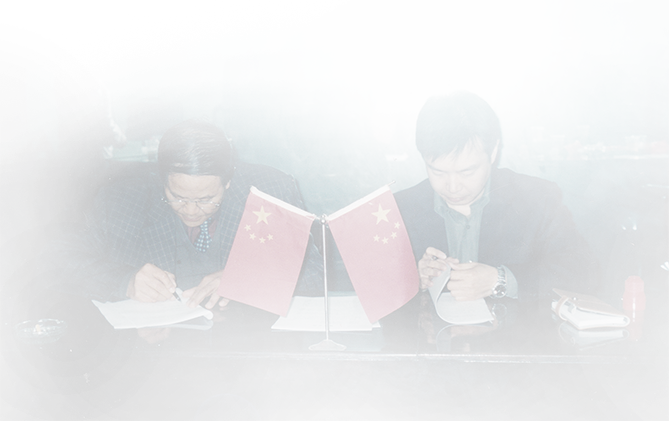
A historic signing moment from the 1970s, when HG’s founder helped drive the development of China’s food industry and began expanding into international markets.
Over the past decades, we have participated in the evolution of automated food production — from local factories to global turnkey projects across 100+ countries. That experience continues to shape every HG production line today.
Discover Our Heritage
Global Food Machinery &
Turnkey Factory Solutions

Building Long-Term Partnerships Through Shared Growth and Industrial Value.
Copyright © HG Industry Group All Rights Reserved
Food Machine Snack Food Processing Machinery

Unauthorized use of this website's content constitutes copyright infringement and may result in legal action.