 English
 中文简体
中文简体 日本語
日本語 русский
 عربى
عربى Український
 Español
 Français


How to Specify and Buy an Industrial Wafer Stick Production Line
Content
How to Specify and Buy an Industrial Wafer Stick Production Line
Buying a wafer stick or egg roll production line is not simply a matter of comparing machine prices.
A production line is an industrial system.
The buyer needs to define the product, output, automation scope, factory conditions and acceptance criteria before comparing suppliers.
1. Start With the Product
Provide the supplier with:
- Product sample or clear reference images
- Diameter
- Length
- Unit weight
- Shell structure
- Hollow or filled design
- Filling type
- Filling proportion
- Coating requirements
- Final packaging format
These details allow the equipment manufacturer to understand the actual production requirement.
2. Define Capacity at the Correct Point
Do not compare suppliers only by machine nameplate speed.
Define:
Required accepted output
and
Where the output is measured
For example, output measured at the forming section is not necessarily the same as finished product ready for packaging.
Where useful, specify both:
- Pieces/hour
- kg/hour
and clarify whether filling is included in the product weight.
3. Make the Production-Line Scope Visible
A serious quotation should show the complete process flow.
For example:
Material Input → Baking → Forming → Rolling → Filling → Cutting → Cooling → Handling → Packaging Connection
The quotation should clearly distinguish:
- Included equipment
- Optional equipment
- Customer-supplied equipment
- Automatic transfer
- Customer responsibilities
This prevents misunderstandings after the order is signed.
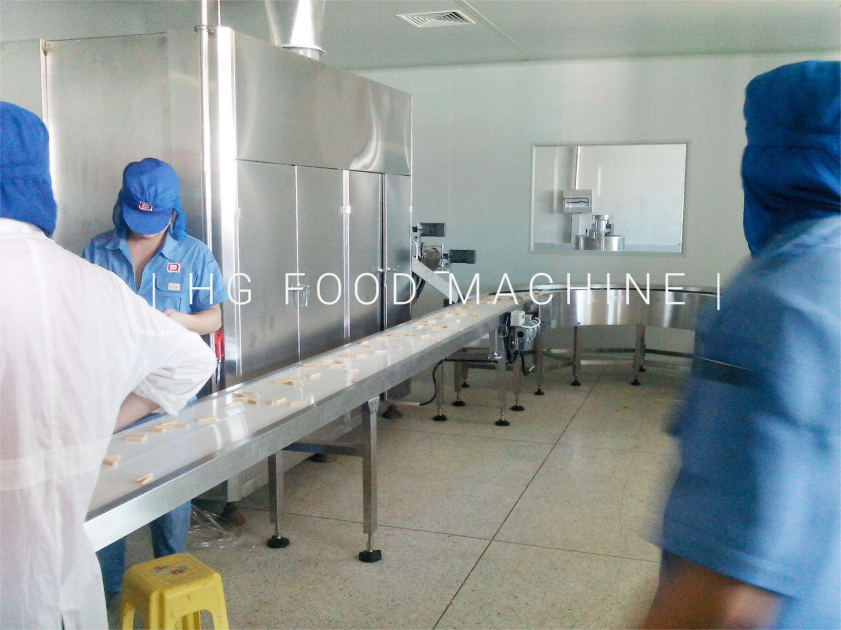
4. Define FAT Before Making Performance Claims
A Factory Acceptance Test should have clearly defined conditions.
The test should specify:
- Product
- Equipment configuration
- Trial duration
- Operating conditions
- Accepted output
- Product characteristics
- Rejects
- Stoppages
- Operator interventions
For multi-head systems, consistency between working positions should also be checked where practical.
This makes the final test result traceable to the equipment actually purchased.
5. Define Commissioning Responsibilities
Before shipment, the project documentation should clarify:
- Installation responsibility
- Commissioning scope
- Operator training
- Technical documentation
- Initial spare parts
- Support arrangements
Instead of relying only on a general statement such as “complete service”, the project should define the actual deliverables required for production startup.
What Should a Customer Send HG?
To start a wafer roll or wafer stick project, HG recommends sending:
- Product sample or reference image
- Product diameter
- Product length
- Unit weight
- Hollow or filled specification
- Filling type and target proportion
- Coating requirement
- Required accepted output
- Final packaging format
- Available production area
- Required automation boundary
- Target project schedule
These inputs allow HG to move from a generic machine quotation toward a specific production-line configuration.
From Machine Quotation to Production Engineering
The right production line should connect:
Product specification → Process design → Equipment configuration → Automation → Accepted output → Factory layout → FAT → Commissioning
This is where engineering experience creates practical value.
Instead of simply asking:
“Which machine has the lowest price?”
a buyer can ask:
“Which production-line configuration can manufacture my product, at my required output, under clearly defined and testable conditions?”
That is the basis of a more reliable industrial equipment decision.
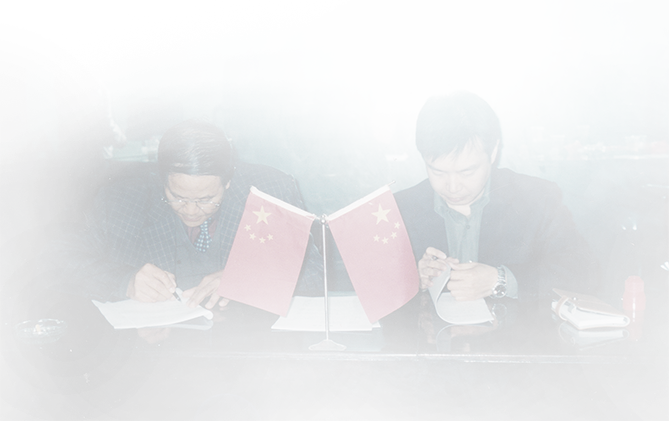
A historic signing moment from the 1970s, when HG’s founder helped drive the development of China’s food industry and began expanding into international markets.
Over the past decades, we have participated in the evolution of automated food production — from local factories to global turnkey projects across 100+ countries. That experience continues to shape every HG production line today.
Discover Our Heritage
Global Food Machinery &
Turnkey Factory Solutions

Building Long-Term Partnerships Through Shared Growth and Industrial Value.
Copyright © HG Industry Group All Rights Reserved
Food Machine Snack Food Processing Machinery

Unauthorized use of this website's content constitutes copyright infringement and may result in legal action.