 English
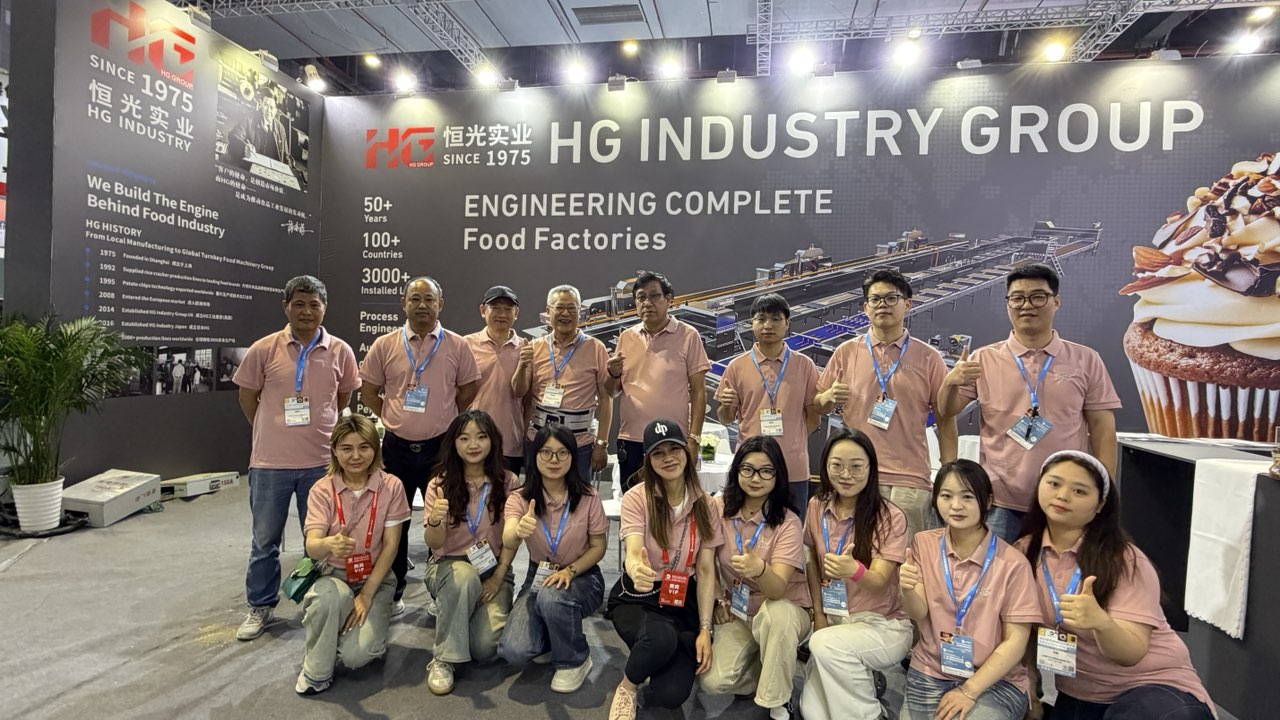


Biscuit making machine specifications
When it comes to the automated production of biscuits, understanding the technical specifications of the machinery is crucial for ensuring efficiency, quality, and profitability. A biscuit making machine isn't a single piece of equipment but a complete production line, with each component having its own set of detailed specifications. Here’s a professional breakdown of the key factors to consider.
1. Production Capacity and Output
This is often the first specification businesses look at. Production capacity is measured in kilograms per hour (kg/hr) or tons per day (T/day). It's a direct indicator of the machine's ability to meet your production targets.
Small-Scale Machines: Typically range from 50 kg/hr to 300 kg/hr, suitable for small to medium enterprises.
Industrial-Scale Machines: Can produce thousands of kilograms per hour, with some high-end lines reaching capacities of over 5 T/hr.
The specific output will depend on the biscuit type, size, and weight. A professional biscuit making machine vendor will provide a detailed output chart for various biscuit products.
2. Machine Dimensions and Layout
The physical size of the machine is a practical constraint. You need to know the length, width, and height of the entire line, from the dough mixer to the cooling conveyor.
Line Length: Can vary significantly. A full-scale industrial line can be over 100 meters long, while a compact line might be 20-30 meters.
Layout: The design should allow for an efficient workflow and easy access for maintenance. Factors like a "straight line" vs. "L-shaped" configuration are important for fitting the machine into your factory space.
3. Key Components and Their Specifications
A complete biscuit making machine line consists of several integrated sections, and each has its own critical specifications.
Dough Mixer: Specifications include mixing capacity (kg), mixing speed (RPM), and material (typically food-grade stainless steel). Some models offer a vacuum mixer for a denser dough.
Dough Sheeter: Look for the number of rollers (e.g., three-roll or four-roll) and the gap adjustment range. This determines the thickness and consistency of the dough sheet.
Rotary Moulder/Cutter: This is where biscuits get their shape. The main specifications are the number of dies on the moulder and the cutting speed. The quality of the dies is crucial for creating sharp, consistent biscuit shapes.
Baking Oven: This is a core component. Key specifications include:
1) Oven Type: Direct Fired Gas (DFG), Indirect Fired Gas (IFG), or hybrid.
2) Length: Longer ovens provide more control over the baking process.
3) Number of Zones: Multiple baking zones allow for different temperatures at each stage, crucial for achieving the perfect bake.
4) Band Type: Wire mesh, solid steel, or other specialized bands.
Cooling Conveyor: Its length and width must be adequate to cool the biscuits to a temperature suitable for packaging without breaking. Specifications include band material and cooling method (natural air, forced air, or a combination).
Packaging Machine: Specifications include packaging speed (packs/min), bag size range, and packaging type (e.g., pillow pack, family pack).

4. Power and Utility Requirements
A biscuit making machine requires significant power and utilities.
Power Consumption: Measured in kW or kWh. This is a major factor in operating costs.
Voltage and Frequency: Must match your local electrical standards (e.g., 380V, 50Hz in many countries).
Fuel Type: For the oven, specify natural gas, LPG, diesel, or electricity.
Compressed Air: Many pneumatic components require a reliable supply of compressed air.
5. Automation and Control Systems
Modern biscuit making machine systems are highly automated.
PLC Control: A Programmable Logic Controller (PLC) system controls and monitors the entire line. The brand and model of the PLC (e.g., Siemens, Allen-Bradley) are important for maintenance and spare parts.
HMI (Human-Machine Interface): A user-friendly touch screen for operating the machine. The clarity and functionality of the HMI can greatly impact ease of use.
Sensors and Alarms: Critical for monitoring temperature, speed, and other variables. High-quality sensors ensure product consistency and safety.
6. Materials and Construction
The materials used in a biscuit making machine directly affect its durability, hygiene, and product quality.
Frame and Structure: A robust steel frame is essential for stability.
Contact Parts: All parts that come into direct contact with the dough and biscuits should be made of food-grade stainless steel (e.g., SS304). This prevents contamination and is easy to clean.
Belts and Conveyors: The quality of the belts, often made of food-grade PVC or specialized materials, is vital for long-term reliability.
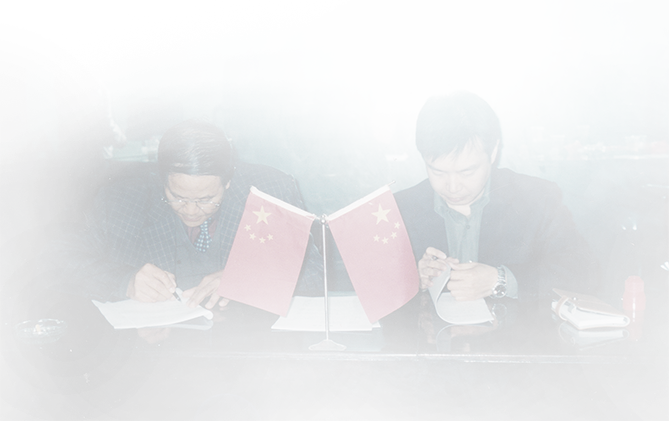
A historic signing moment from the 1970s, when HG’s founder helped drive the development of China’s food industry and began expanding into international markets.
Over the past decades, we have participated in the evolution of automated food production — from local factories to global turnkey projects across 100+ countries. That experience continues to shape every HG production line today.
Discover Our Heritage
Global Food Machinery &
Turnkey Factory Solutions

Building Long-Term Partnerships Through Shared Growth and Industrial Value.
Copyright © HG Industry Group All Rights Reserved
Food Machine Snack Food Processing Machinery

Unauthorized use of this website's content constitutes copyright infringement and may result in legal action.