 English
 中文简体
中文简体 日本語
日本語 русский
 عربى
عربى Український
 Español
 Français

What a Fully Automatic Wafer Roll Production Line Actually Includes
What a Fully Automatic Wafer Roll Production Line Actually Includes
“Fully automatic” sounds simple.
Technically, it is not.
Different suppliers may use the same phrase while offering very different production-line scopes.
One system may automate production from prepared batter feeding through forming and cutting.
Another may continue through cooling, arranging and automatic transfer to packaging.
Therefore, a serious wafer roll project should first define where automation begins and where it ends.
Five Main Layers of an Integrated Production Line
1. Material Preparation and Batter Supply
The production line needs a clearly defined material input.
The project should establish:
- What material enters the line
- How batter is supplied
- What preparation equipment is required
- How continuous supply is maintained
2. Baking and Forming
This stage determines the basic wafer structure.
The system may include:
- Baking
- Release
- Forming
- Rolling
The forming process must be synchronized with the product dimensions and production speed.
3. Filling and Cutting
For filled wafer rolls and egg rolls, filling becomes an additional material stream.
The filling system must match the product and synchronize with the forming process.
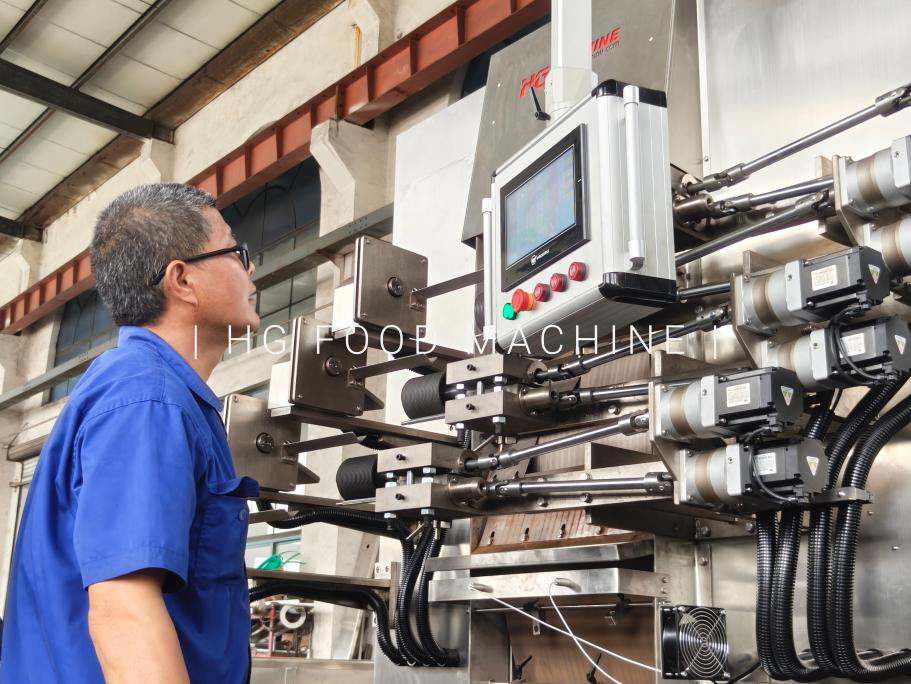
Cutting then determines the final product length and prepares the product for downstream handling.
4. Cooling and Product Handling
After forming and cutting, the product must be transferred under controlled conditions.
Depending on the project, this may include:
- Cooling
- Conveying
- Product collection
- Arranging
- Automatic transfer
5. Packaging Connection
The production line should define how finished products leave the processing section.
Depending on project scope, this can include automatic feeding or connection to packaging equipment.
Automation Is More Than Continuous Running
A production line should also be evaluated during:
- Startup
- Material replenishment
- Short downstream stoppages
- Restart
- Product accumulation
- Operator intervention
The question is not simply:
“Can the machine run automatically?”
The better question is:
“How does the complete line behave when real factory conditions change?”
How HG Evaluates an Integrated Line
HG's production-line engineering approach focuses on:
Input → Processing → Transfer → Cooling → Handling → Output
The project should define the accepted output point and the conditions used for validation.
Relevant measurements may include:
- Product dimensions
- Appearance
- Filling consistency
- Breakage
- Reject rate
- Manual intervention
- Stoppages
- Trial duration
This approach makes the automation boundary visible before the equipment is purchased.
From Automatic Equipment to Automatic Production
A truly useful automatic wafer roll production system is not defined by one automatic machine.
It is defined by how successfully the machines, transfers and downstream processes operate together.
That is the engineering difference between automatic equipment and an integrated automatic production line.
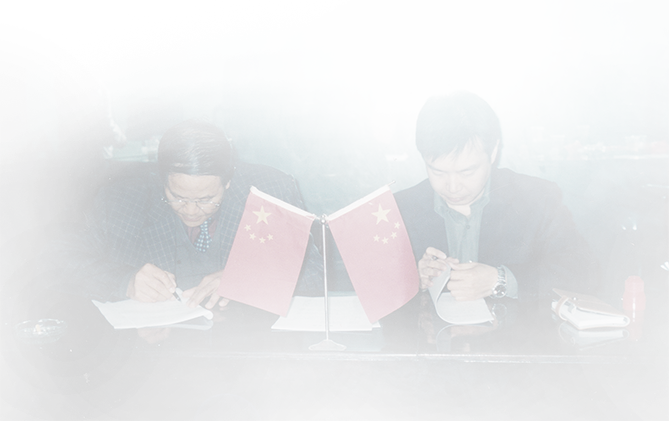
A historic signing moment from the 1970s, when HG’s founder helped drive the development of China’s food industry and began expanding into international markets.
Over the past decades, we have participated in the evolution of automated food production — from local factories to global turnkey projects across 100+ countries. That experience continues to shape every HG production line today.
Discover Our Heritage
Global Food Machinery &
Turnkey Factory Solutions

Building Long-Term Partnerships Through Shared Growth and Industrial Value.
Copyright © HG Industry Group All Rights Reserved
Food Machine Snack Food Processing Machinery

Unauthorized use of this website's content constitutes copyright infringement and may result in legal action.