English
 中文简体
中文简体 日本語
日本語 русский
 Español
 Український
 عربى
عربى Français
 Potato Chips Production Line
 Cake Production Line
 Rice Cracker Production Line
 Biscuit Production Line
 Cookie Production Line
 Wafer Production Line
 Pastry Production Line
 Other Food Production Line
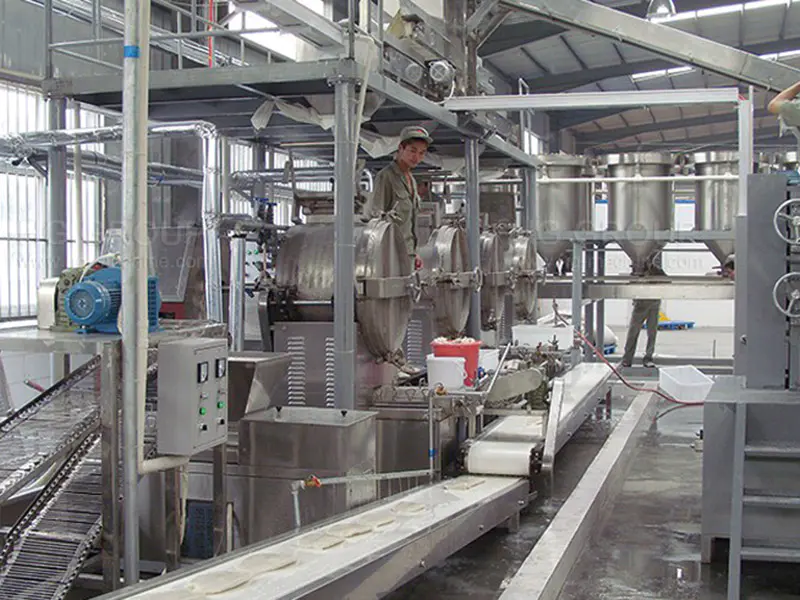
 The first manufacturer of snow rice cake equipment in China
  Automatic steam temperature control (solenoid valve temperature control)
  The new cake arranging machine with a high adsorption rate of 99%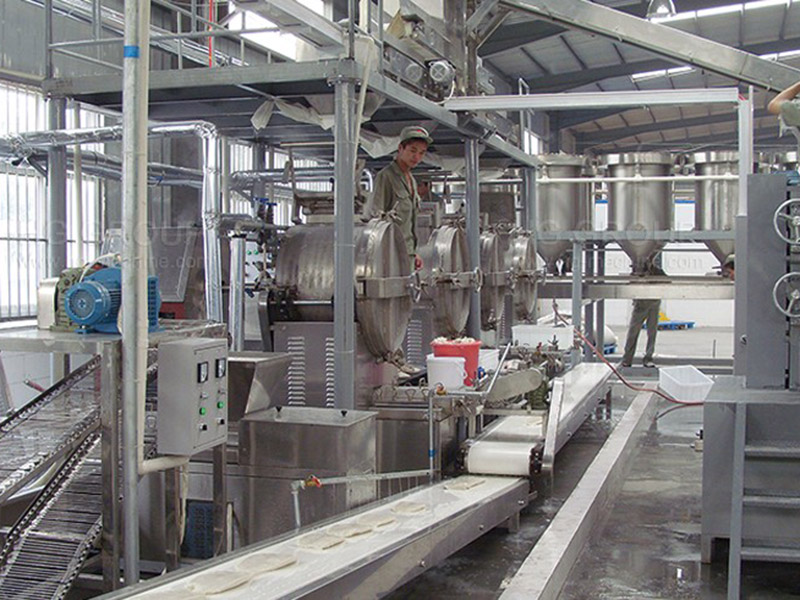
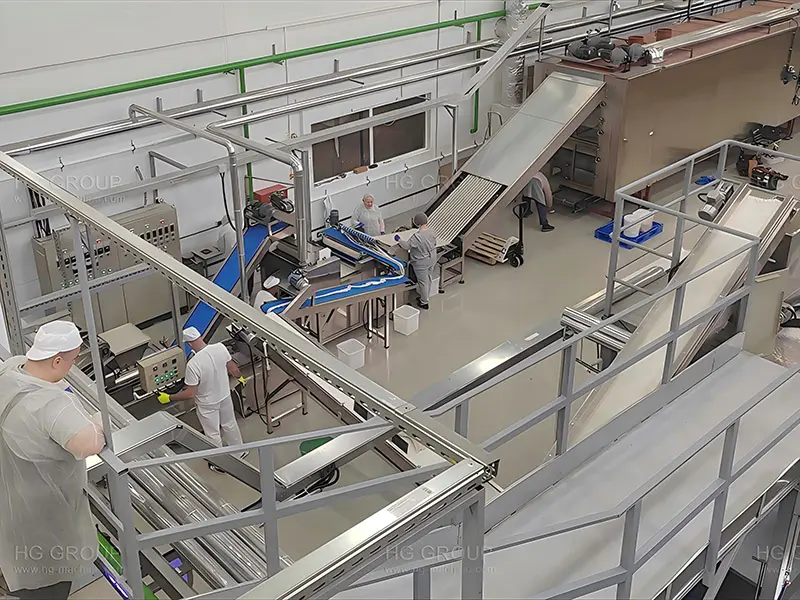
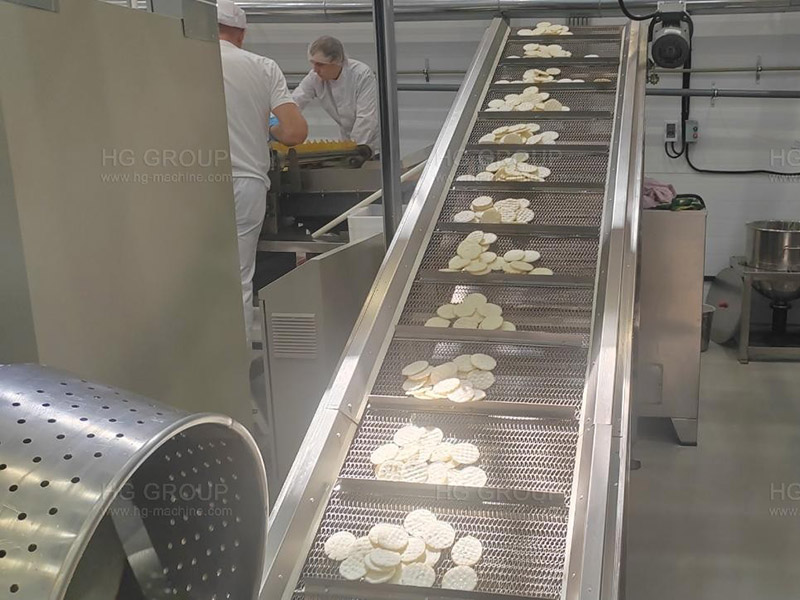
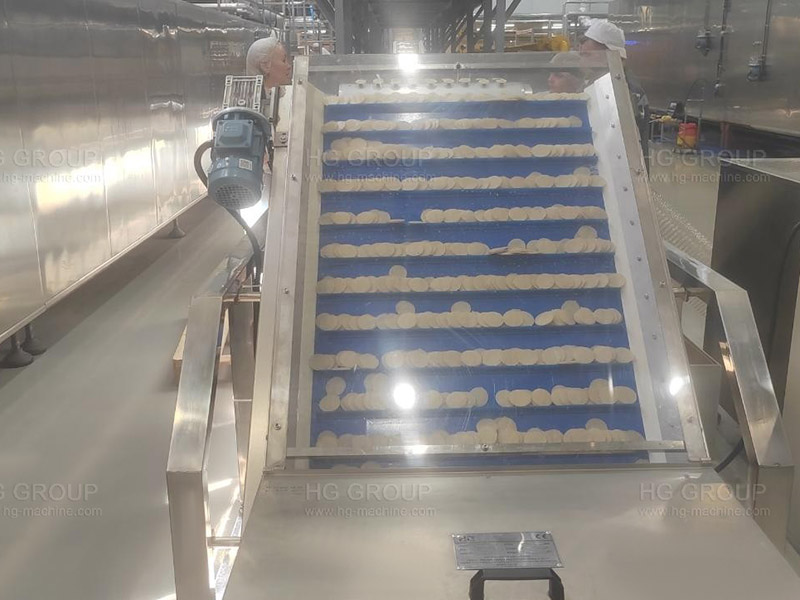
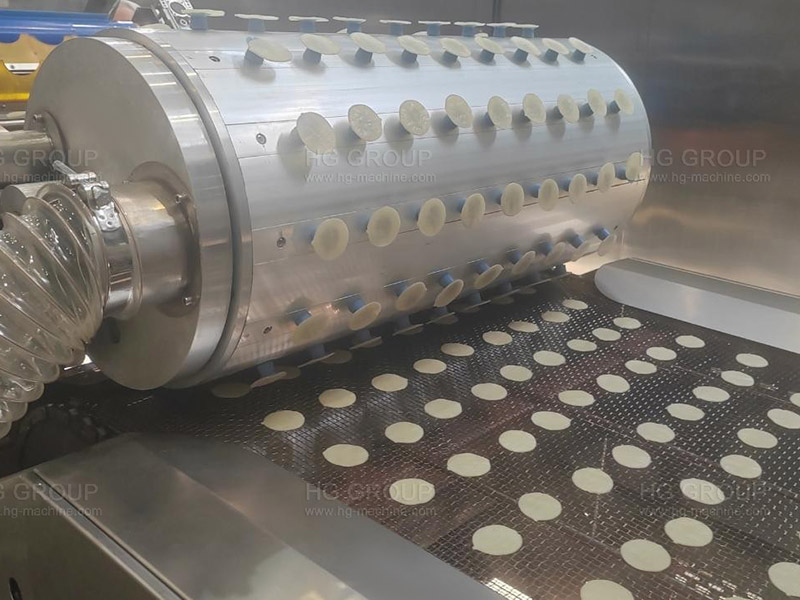
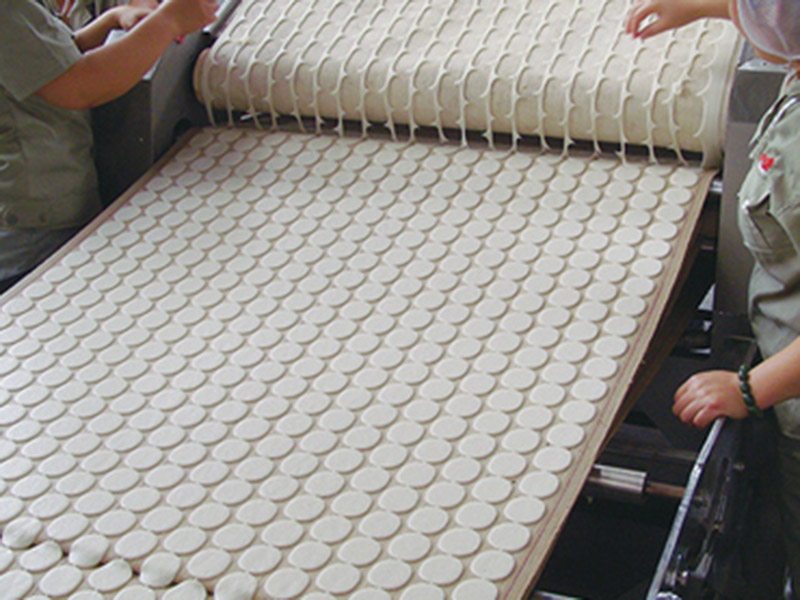
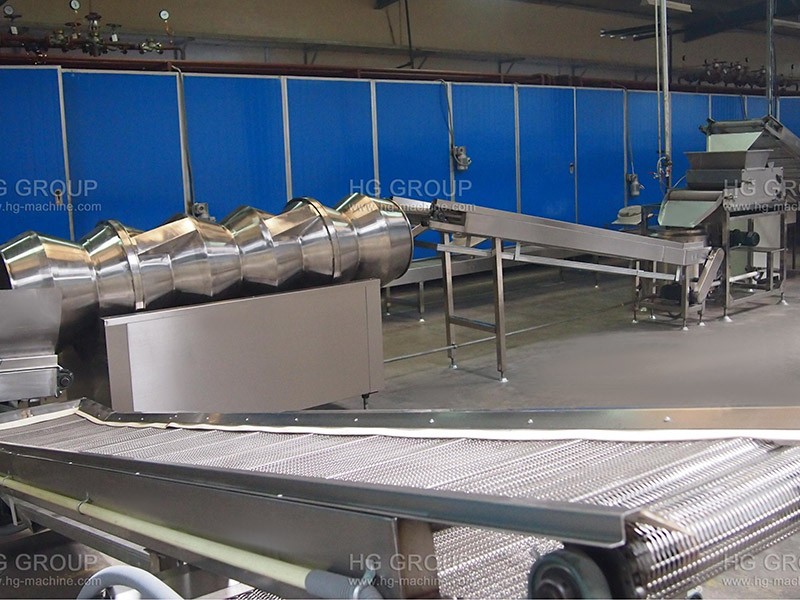
How to choose between Snow, Senbei, and Fried lines based on your market
Buyers often decide too early based on product photos. A better approach is to match the line to the dominant consumer expectation: Snow-style is judged by coating uniformity and light bite; Senbei by grill aroma + soy sauce adhesion; Fried by crunch loudness and oil-clean aftertaste. In my experience, when the goal is multi-SKU growth, starting with a line that supports fast seasoning changeovers usually outperforms a “single hero SKU” strategy.
Moisture and texture control: the hidden driver of yield
Rice-based snacks are unforgiving on moisture windows. Too wet and you get blistering, sticking, or collapse; too dry and you see cracking and weak puff. Practical purchasing tip: request the supplier’s target ranges for each stage (forming → baking/drying → seasoning) and confirm the line includes feedback points that let operators stabilize texture, not just “heat it more.” A stable process typically reduces rework and improves bag-to-bag crunch consistency.
Why powder making matters more than most people expect (Snow line)
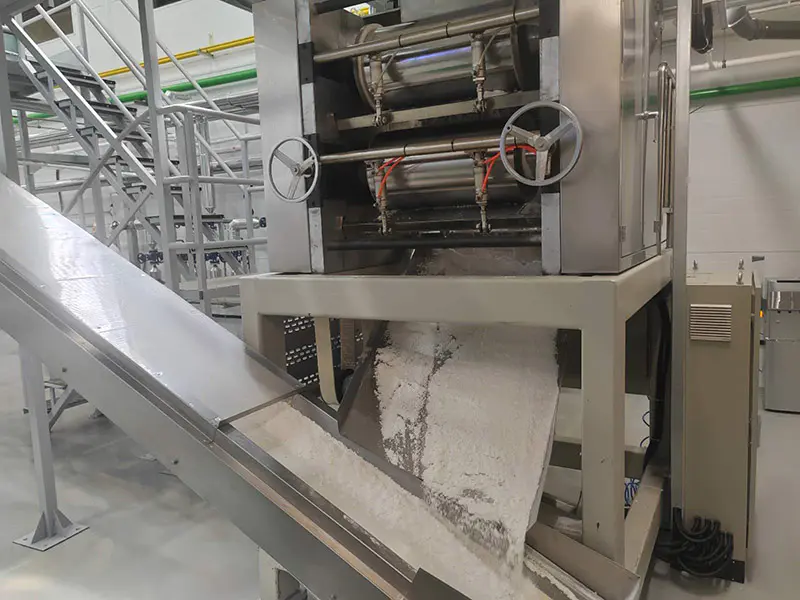
In Snow rice crackers, powder preparation affects both puff structure and coating pickup. Particle size distribution influences how steam pathways form during puffing, which then affects brittleness and bite. When evaluating a Snow rice cracker production line, ask how the powder system controls:
- lump prevention and feeding stability (bridging is a common downtime cause);
- repeatability between batches (critical for multi-flavor coating performance);
- cleaning convenience (powder cross-contamination shows up immediately in white/cream coatings).
Embossing depth and surface design: Senbei’s “flavor carrier”
Senbei isn’t only about soy sauce—surface geometry is a functional feature. The embossing pattern influences sauce pooling, drying speed, and even perceived savoriness. A constructive buyer check is to confirm the line’s embossing and transfer steps maintain pattern fidelity without warping. If you plan on premium SKUs, prioritize tooling that preserves consistent depth; uneven depth often leads to patchy seasoning and uneven browning.
Soy sauce spraying: what makes it “classic” instead of just salty
For Senbei, the classic profile comes from controlled application + proper drying/setting, not higher dosage. Key questions to ask your production line factory:
- Can spray parameters be adjusted per recipe (droplet, pass count, and interval)?
- How does the line prevent nozzle clogging and sugar/protein buildup?
- Is there a dedicated setting/drying stage to lock flavor and reduce tackiness?
When these details are engineered well, you get aroma-forward Senbei with a cleaner finish—this is exactly where a fully automatic rice cracker production line earns its reputation.
Fried line realities: oil management is your real “food safety KPI”
Bite-sized fried rice crackers succeed or fail on oil quality control. Beyond the fryer itself, look for features that support stable oil performance and a cleaner taste. Practical evaluation points include:
- effective crumb filtration (reduces rapid darkening and burnt notes);
- controlled residence time (prevents hollow centers and over-hard textures);
- post-fry de-oiling or draining strategy (improves crispness retention and shelf stability).
Molds and cutting for small shapes: how to avoid edge defects
For customized small rice cracker molds, edge quality drives both appearance and frying behavior. Burrs or micro-cracks create localized over-browning and breakage during conveying. Ask how the line handles:
- cutting tool wear monitoring and quick replacement;
- dough/blank temperature control before cutting (too cold increases cracking);
- scrap return or waste reduction options if you run multiple shapes.
Seasoning and powder coating: controlling adhesion without clumping
Whether you coat Snow crackers (cream/original) or powder-season fried snacks, the challenge is consistent adhesion with minimal buildup. A well-designed flavoring system typically focuses on:
- controlled product surface temperature (too hot melts powders; too cool reduces pickup);
- metered dosing and mixing energy (to prevent “salt bombs”);
- easy-to-clean contact surfaces (powder oiling causes runaway clumping).
This is one area where I keep marketing simple: if your target is export-grade repeatability, invest in the seasoning module—it protects your brand more than a new package design.
Automation scope that actually matters: where labor savings are real
“Fully automatic” should translate into fewer manual interventions at the points where humans typically cause variability. For rice cracker production lines, the biggest operational wins usually come from automation around feeding stability, temperature/time control, and seasoning repeatability. When comparing suppliers, ask them to identify the top three manual touchpoints still required and what training they assume. The best factories are transparent here—and if you choose us, that transparency is exactly how we protect your ramp-up timeline.