 English
 中文简体
中文简体 日本語
日本語 русский
 عربى
عربى Український
 Español
 Français


Muffin Production Line: How to Make Muffin Manufacturing Easy and Efficient
Content
If you're running a bakery or looking to scale up your muffin business, a muffin production line can make a huge difference. This setup automates most of the baking process, helping you save time, reduce labor, and maintain consistent quality. In this guide, we'll break down everything you need to know about setting up and optimizing your muffin production line.
Key Components of a Muffin Production Line
A complete muffin production line includes several machines that handle each step of the process. Here's what you usually need:
- Mixer: Combines all ingredients evenly for a smooth batter.
- Depositor or Filler: Automatically dispenses batter into muffin trays or molds.
- Baking Oven: Provides consistent baking temperature and time for uniform muffins.
- Cooling Conveyor: Cools the muffins gradually to maintain texture and avoid condensation.
- Packaging Machine: Wraps or boxes muffins for storage or retail distribution.
Step-by-Step Workflow in Muffin Production
Understanding the workflow helps improve efficiency and reduce errors. Here’s a typical muffin production process:
Ingredient Preparation
Measure and sift flour, sugar, and other dry ingredients. Prepare wet ingredients like eggs, milk, and butter. A well-organized prep area ensures smoother operation.
Batter Mixing
The mixer combines all ingredients into a consistent batter. Automated mixers prevent over- or under-mixing, which can affect muffin texture.
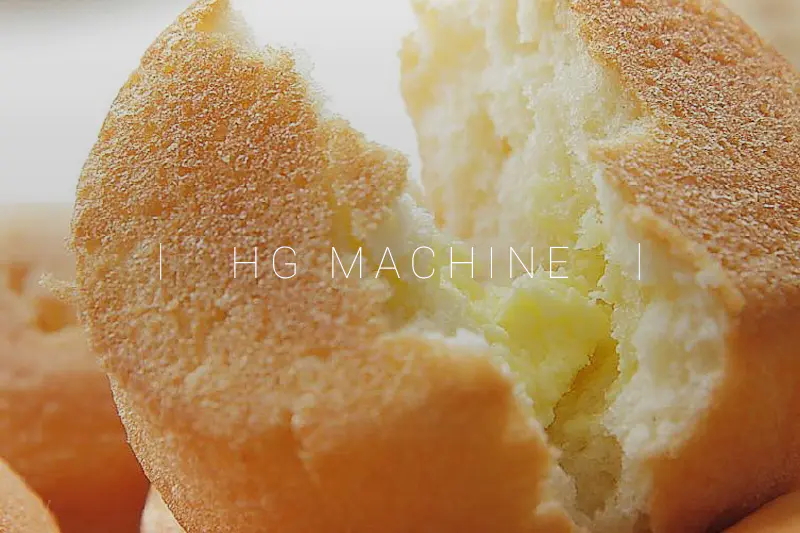
Depositing Batter
Batter is dispensed into muffin molds with precision. Modern depositors allow you to adjust portion size and spacing, ensuring uniform muffins every time.
Baking Process
Ovens in a muffin production line can be convection or tunnel ovens. Maintaining correct temperature and baking time is crucial to avoid soggy or over-baked muffins.
Cooling and Packaging
After baking, muffins pass through a cooling conveyor to prevent condensation in packaging. Once cooled, they are packed automatically for sale or storage.
Tips for Choosing the Right Muffin Production Line
Selecting the right line depends on your business scale and production goals. Consider these factors:
- Production Capacity: Match the line with your daily muffin output needs.
- Automation Level: Fully automatic lines reduce labor but cost more; semi-automatic lines are cheaper but require more staff.
- Energy Efficiency: Look for energy-saving ovens and equipment to reduce operating costs.
- Maintenance: Choose machines with easy cleaning and maintenance features to minimize downtime.
- Customization: Some lines allow different muffin sizes or flavors, adding flexibility for your product range.
Benefits of Using a Muffin Production Line
Investing in a muffin production line can significantly boost your bakery’s efficiency and output. Here are the key benefits:
- Consistent Quality: Every muffin comes out uniform in size, shape, and taste.
- Time-Saving: Automation speeds up the entire baking process.
- Labor Reduction: Fewer staff are needed to operate the line, cutting labor costs.
- Higher Output: Produce hundreds or thousands of muffins per day without compromising quality.
- Hygiene Control: Enclosed automated systems reduce contamination risk.
Conclusion
A muffin production line is a smart investment for bakeries aiming to increase efficiency and maintain product quality. By understanding the equipment, workflow, and key selection criteria, you can choose the right setup to meet your production needs and expand your business effectively.
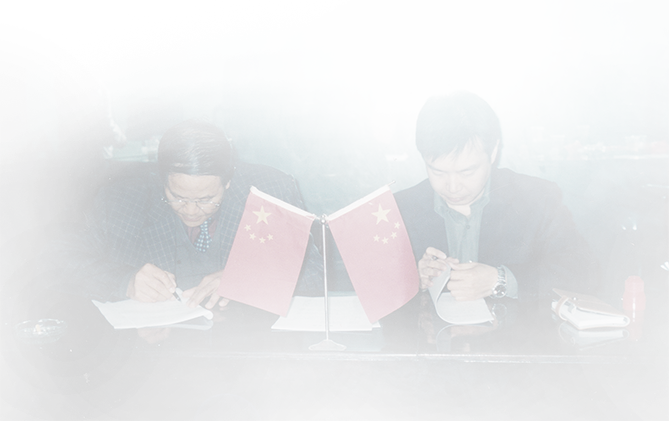
A historic signing moment from the 1970s, when HG’s founder helped drive the development of China’s food industry and began expanding into international markets.
Over the past decades, we have participated in the evolution of automated food production — from local factories to global turnkey projects across 100+ countries. That experience continues to shape every HG production line today.
Discover Our Heritage
Global Food Machinery &
Turnkey Factory Solutions

Building Long-Term Partnerships Through Shared Growth and Industrial Value.
Copyright © HG Industry Group All Rights Reserved
Food Machine Snack Food Processing Machinery

Unauthorized use of this website's content constitutes copyright infringement and may result in legal action.