 English
 中文简体
中文简体 日本語
日本語 русский
 عربى
عربى Український
 Español
 Français

French Fries Production Line: Easy Way to Make Crispy Fries
Content
For any restaurant, snack factory, or potato processing plant, a french fries production line is a game changer. It automates the entire process from fresh potatoes to packaged, golden fries, ensuring efficiency, consistency, and high quality. Let’s explore how this production line works and what makes it essential for modern fry production.
Essential Equipment in a French Fries Production Line
A complete french fries production line includes several machines that handle peeling, cutting, blanching, frying, and packaging. Key components are:
- Potato Washer: Removes dirt and debris from raw potatoes, ensuring clean input for processing.
- Peeling Machine: Automates peeling for uniform and fast preparation, saving labor and time.
- French Fries Cutter: Cuts potatoes into consistent sizes for even frying and appearance.
- Blanching Machine: Pre-cooks fries slightly in hot water or steam to maintain color and reduce frying time.
- Dehydrator or Dryer: Removes surface moisture to prevent oil splatter and ensure crispiness.
- Frying Machine: Deep fries potatoes at controlled temperatures for perfect golden fries.
- Flavoring and Seasoning System: Adds salt or other flavors uniformly before packaging.
- Cooling Conveyor: Cools fries gradually to maintain texture and avoid sogginess.
- Packaging Machine: Automatically packs fries for storage or retail distribution.
Step-by-Step Workflow in French Fries Production
A well-organized workflow ensures high efficiency and product consistency. Here’s how a typical production line works:
Washing and Peeling
Fresh potatoes are thoroughly washed to remove soil and impurities. Automatic peelers then remove skins quickly and evenly, preparing the potatoes for cutting.
Cutting into Fries
The potatoes are fed into a french fries cutter, producing fries of uniform size. This ensures even frying and a consistent look, which is important for commercial sale.
Blanching and Drying
Blanching partially cooks the fries and removes excess starch, helping achieve a crisp exterior. Drying removes surface water, preventing oil splatter and soggy fries.
Frying Process
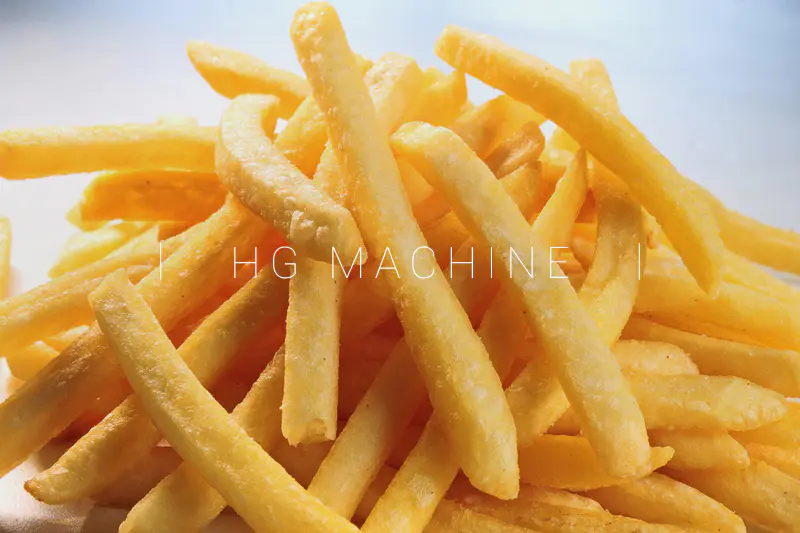
Frying is done in temperature-controlled oil for golden, crispy fries. Automated fryers maintain consistent frying time and temperature for uniform results.
Seasoning and Cooling
After frying, fries pass through seasoning machines for even flavor distribution. A cooling conveyor ensures fries maintain crispiness and are ready for packaging.
Factors to Consider When Choosing a French Fries Production Line
Selecting the right production line depends on your business goals, space, and budget. Important factors include:
- Production Capacity: Choose a line that matches your daily output needs, whether small, medium, or large scale.
- Automation Level: Fully automatic lines reduce labor but are more expensive; semi-automatic lines offer flexibility and lower cost.
- Energy Efficiency: High-efficiency fryers and blanchers save energy and reduce operating costs.
- Maintenance: Machines should be easy to clean and maintain to minimize downtime.
- Customization: Some lines allow for different fry thickness, shapes, or seasoning options for product diversity.
Benefits of a French Fries Production Line
Investing in a french fries production line offers numerous advantages for commercial operations:
- Consistent Quality: Every batch has uniform size, color, and texture.
- Higher Output: Produce hundreds or thousands of fries per hour efficiently.
- Reduced Labor: Automation reduces the need for manual work and lowers labor costs.
- Time-Saving: Streamlined workflow speeds up production and delivery.
- Hygiene Control: Automated systems reduce handling and maintain food safety standards.
Conclusion
A french fries production line is an essential investment for snack factories, restaurants, and commercial fry producers. By understanding the equipment, workflow, and key selection factors, you can ensure efficient, high-quality, and cost-effective fries production, helping your business stand out in the competitive market.
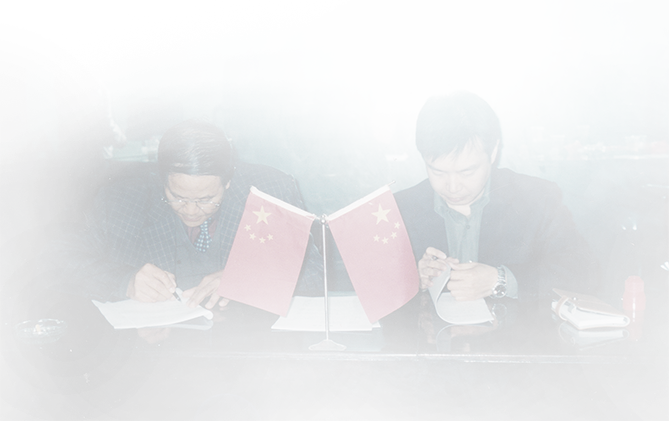
A historic signing moment from the 1970s, when HG’s founder helped drive the development of China’s food industry and began expanding into international markets.
Over the past decades, we have participated in the evolution of automated food production — from local factories to global turnkey projects across 100+ countries. That experience continues to shape every HG production line today.
Discover Our Heritage
Global Food Machinery &
Turnkey Factory Solutions

Building Long-Term Partnerships Through Shared Growth and Industrial Value.
Copyright © HG Industry Group All Rights Reserved
Food Machine Snack Food Processing Machinery

Unauthorized use of this website's content constitutes copyright infringement and may result in legal action.