 English
 中文简体
中文简体 日本語
日本語 русский
 عربى
عربى Український
 Español
 Français
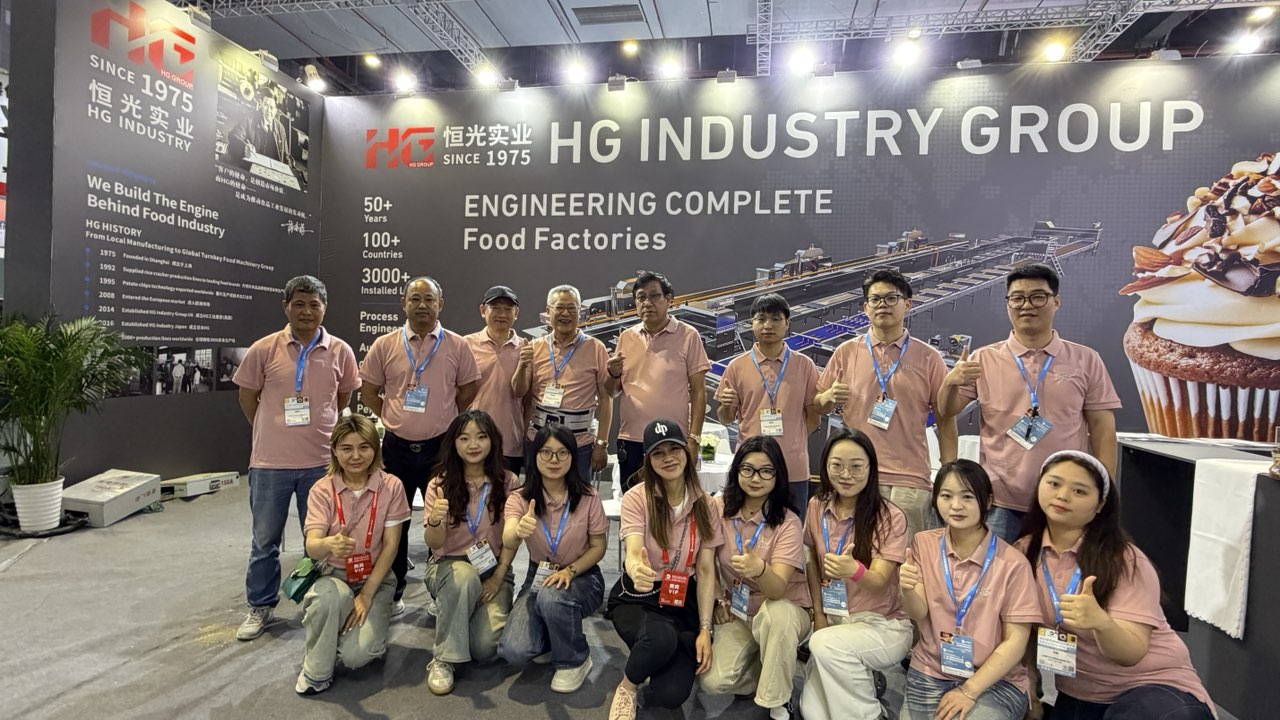


Rice Cracker Production Line: Your Complete Guide to Manufacturing Equipment and Process
Content
- Understanding Rice Cracker Production Line Components
- Different Types of Rice Cracker Production Systems
- Production Capacity and Scalability Considerations
- Automation Levels and Labor Requirements
- Key Features to Look for When Buying Equipment
- Installation and Setup Requirements
- Operating Costs and Return on Investment
- Maintenance Best Practices and Troubleshooting
- Quality Control and Food Safety Standards
- Choosing the Right Supplier and Making the Purchase
- Future Trends in Rice Cracker Manufacturing Technology
Rice cracker production lines have transformed how manufacturers create these popular snacks, turning what was once a labor-intensive traditional process into an efficient automated operation. Whether you're a startup looking to enter the rice snack market or an established manufacturer planning to expand capacity, understanding modern rice cracker production equipment helps you make informed investment decisions that will impact your business for years to come.
Understanding Rice Cracker Production Line Components
A complete rice cracker production line consists of multiple integrated machines working in sequence to transform raw rice into finished crackers. Each component plays a specific role in the manufacturing process, and understanding these elements helps you evaluate equipment options and troubleshoot production issues.
The rice washing and soaking system starts the process by cleaning raw rice and hydrating the grains to the correct moisture content. Modern systems use automated water circulation, temperature control, and programmable soaking times to ensure consistency. Proper soaking is critical because it affects how the rice grinds and how the final crackers develop their texture. Insufficient soaking leads to grainy crackers, while over-soaking can create sticky dough that clogs equipment.
Grinding and mixing equipment transforms soaked rice into smooth batter or dough depending on your cracker style. Stone grinders produce traditional texture while high-speed wet grinders offer faster processing. The mixer incorporates seasonings, salt, sugar, and other ingredients into the rice base. Commercial mixers use precise metering systems to maintain recipe consistency across thousands of batches. Some production lines include vacuum mixing to remove air bubbles that can create defects in finished crackers.
Forming and shaping machines create the cracker shapes from prepared dough or batter. Different technologies suit different cracker styles—rotary molding machines press dough into shapes using engraved rollers, sheeting systems roll dough flat before cutting with dies, and extrusion equipment forces material through shaped dies. The forming stage determines cracker appearance, thickness uniformity, and production speed. Investment in high-quality forming equipment pays dividends through reduced waste and consistent product appearance.
Baking and drying systems apply heat to transform soft formed crackers into crispy finished products. Conveyor ovens with multiple heating zones provide precise temperature control throughout the baking process. Initial zones may use higher humidity to prevent surface cracking, while final zones use dry heat for maximum crispness. Modern ovens incorporate heat recovery systems that capture exhaust heat to preheat incoming air, significantly reducing energy costs.
Seasoning and coating equipment applies flavors and finishes after baking. Tumbler drums coat crackers evenly with powdered seasonings, while spray systems apply oil-based flavors or glazes. Precise seasoning application affects both product quality and ingredient costs—over-seasoning wastes expensive ingredients while under-seasoning disappoints customers. Automated systems with weight-based dosing ensure accurate application regardless of production speed.
Cooling conveyors bring product temperature down to ambient conditions before packaging. Rushing this step causes condensation inside packages that leads to soggy crackers and reduced shelf life. Properly designed cooling zones maintain product flow while providing adequate residence time for temperature reduction.
Different Types of Rice Cracker Production Systems
Rice cracker production lines vary significantly based on the final product style, production scale, and level of automation. Selecting the appropriate system type ensures your equipment matches your business model and product specifications.
Traditional Baked Rice Cracker Lines
Traditional baked rice cracker production lines create crackers similar to Japanese senbei through a baking process. These systems grind soaked rice into batter, form it into shapes, and bake until crispy. Production capacities range from 50 kg to over 500 kg per hour depending on equipment scale. Traditional lines excel at producing authentic-tasting crackers with the slightly irregular appearance consumers associate with artisanal quality. These systems work well for manufacturers targeting premium markets or producing traditional Asian rice crackers.
Puffed Rice Cracker Systems
Puffed rice cracker production uses high temperature and pressure to expand rice grains or pellets into light, airy crackers. The equipment includes pellet formers, puffing guns or ovens, and seasoning systems. Puffed crackers have lower density and different texture than baked varieties, appealing to consumers seeking lighter snacks. Production rates can exceed 1000 kg per hour with industrial systems. The puffing process creates distinctive texture and appearance that some markets prefer over traditional baked crackers.
Fried Rice Cracker Equipment
Fried rice cracker lines produce crackers through deep frying rather than baking. These systems form rice dough into shapes, then fry them in oil at controlled temperatures. Automatic fryers with oil filtration, temperature control, and de-oiling systems ensure consistent quality and minimize oil consumption. Fried crackers offer rich flavor and crispy texture but require additional equipment for oil handling and filtration. Oil costs and consumer health concerns about fried foods are considerations when choosing this production method.
Extruded Rice Snack Lines
Extrusion technology creates rice-based snacks by forcing material through a die under heat and pressure. Twin-screw extruders can process rice flour along with other ingredients to create diverse textures and shapes. The high-temperature, short-time processing of extrusion cooks the product instantly while creating unique expanded structures. Extrusion lines offer tremendous flexibility for product innovation and can produce everything from puffed balls to complex shapes. These systems represent significant investment but provide the most versatility for manufacturers developing new products.
Production Capacity and Scalability Considerations
Matching production line capacity to your business needs prevents both underutilization of expensive equipment and production bottlenecks that limit growth. Capacity planning requires analyzing current demand, growth projections, and operational factors that affect actual output.
| Production Scale | Capacity Range | Typical Investment | Best For |
| Small-Scale/Startup | 50-150 kg/hour | $30,000-$80,000 | New businesses, local markets, specialty products |
| Medium-Scale | 200-500 kg/hour | $100,000-$300,000 | Regional distribution, growing brands |
| Large-Scale Industrial | 600-1500 kg/hour | $400,000-$1,000,000+ | National brands, export markets, contract manufacturing |
Actual production rates depend on multiple factors beyond nameplate capacity. Product complexity affects throughput—simple round crackers process faster than intricate shapes requiring precise cutting. Changeovers between products reduce effective capacity, especially when switching flavors or shapes that require cleaning and adjustment. Most manufacturers achieve 70-85% of theoretical capacity when accounting for startups, shutdowns, cleaning, and normal downtime.
Scalability options allow growing businesses to expand without replacing entire production lines. Modular systems let you add capacity by installing additional forming heads, extending oven length, or adding parallel processing streams. Some manufacturers start with semi-automatic equipment and upgrade to full automation as volumes increase. Planning for expansion from the beginning through adequate facility space and utility capacity prevents costly retrofits later.
Multi-shift operation extends capacity from existing equipment without capital investment. Running two or three shifts can double or triple output from the same production line. However, this approach increases labor costs, accelerates equipment wear, and requires careful maintenance planning to prevent breakdowns. Many growing manufacturers run multiple shifts before justifying additional production line investment.
Automation Levels and Labor Requirements
The degree of automation in rice cracker production lines dramatically affects labor needs, consistency, and production efficiency. Understanding automation options helps you balance equipment investment against ongoing labor costs while meeting quality objectives.
Manual and semi-automatic lines require operators at most process steps. Workers feed ingredients, monitor forming operations, transfer product between machines, and package finished goods. These systems minimize capital investment but demand significant labor—typically 6-10 workers per shift for a medium-capacity line. Manual operations suit small-scale producers, businesses in low-wage regions, or manufacturers making frequent product changes that would complicate automation.
Semi-automated production lines automate core processes like mixing, forming, and baking while requiring manual intervention for setup, feeding, and packaging. A semi-automatic medium-capacity line might operate with 3-5 workers per shift. This middle ground provides better consistency than fully manual operations at moderate investment levels. Many successful small to medium manufacturers choose semi-automation, investing in automated forming and baking while handling ingredient preparation and packaging manually.
Fully automated production lines integrate all processes from ingredient handling through packaging into a continuous system requiring minimal human intervention. Operators monitor control panels, perform quality checks, and handle exceptions rather than actively running machines. Advanced systems use PLCs (programmable logic controllers) and touchscreen interfaces to coordinate all equipment. A fully automated line might operate with just 2-3 workers per shift even at high capacities. The consistency and efficiency of full automation justify the investment for high-volume producers or manufacturers in high-wage markets.
- Automated ingredient batching systems weigh and combine ingredients with precision far exceeding manual methods, ensuring recipe consistency
- Vision inspection systems detect defects, foreign objects, and quality issues faster and more reliably than human inspectors
- Automated packaging integration eliminates manual handling between production and packing, reducing labor and contamination risk
- Data logging systems automatically record temperatures, speeds, weights, and other parameters for quality control and traceability
- Remote monitoring capabilities allow technical staff to oversee operations and diagnose issues without being physically present

Key Features to Look for When Buying Equipment
Evaluating rice cracker production equipment requires looking beyond specifications to assess build quality, reliability, and total cost of ownership. These critical features separate equipment that performs reliably for years from machines that cause constant headaches.
Material construction quality affects durability and hygiene. Food contact surfaces should use food-grade stainless steel (304 or 316 grade) that resists corrosion and simplifies cleaning. Frame construction with heavy-duty steel withstands continuous operation better than lightweight materials. Examine welds, fasteners, and component mounting—quality manufacturers use proper welding techniques and substantial fasteners while inferior equipment shows thin materials and inadequate attachment methods.
Sanitary design features enable thorough cleaning and prevent contamination. Look for smooth surfaces without crevices where product can accumulate, removable guards and covers for access to all areas, and drainage systems that prevent water pooling. The best equipment incorporates washdown capability with waterproof electrical components and sealed bearings. Poor sanitary design creates food safety risks and makes cleaning needlessly difficult and time-consuming.
Temperature control precision impacts product quality and energy efficiency. Quality ovens use multiple zones with independent temperature control, allowing you to create optimal heating profiles. PID controllers maintain setpoints accurately rather than allowing wide temperature swings. Insulation quality affects both temperature stability and energy consumption—well-insulated equipment maintains temperature more efficiently and creates safer working conditions by reducing surface temperatures.
Parts availability and supplier support determine how quickly you can resolve problems. Equipment using standard components like common motors, drives, and sensors simplifies maintenance and reduces downtime when replacements are needed. Proprietary components may offer performance advantages but can cause extended outages when spares aren't readily available. Evaluate the manufacturer's parts inventory, shipping capabilities, and technical support responsiveness before purchasing.
Energy efficiency directly impacts operating costs over the equipment's lifetime. Modern production lines incorporate heat recovery, variable frequency drives on motors, and optimized thermal design to minimize energy consumption. The efficiency difference between basic and advanced equipment can amount to thousands of dollars annually in energy costs. Calculate energy consumption for equipment under consideration and factor ongoing costs into purchase decisions.
Installation and Setup Requirements
Successfully installing a rice cracker production line requires proper facility preparation, utility infrastructure, and careful equipment commissioning. Overlooking these requirements causes delays, additional costs, and operational problems that could have been prevented with adequate planning.
Facility space requirements extend beyond the equipment footprint to include operating clearances, material staging, and maintenance access. A medium-capacity production line might occupy 2000-3000 square feet when accounting for all necessary space. Ceiling height matters too—some equipment needs 12-15 feet clearance for installation and maintenance. Plan for future expansion by leaving adjacent space available or designing layouts that can extend linearly as you add capacity.
Electrical service must provide adequate capacity and proper voltage for all equipment. Industrial production lines typically require three-phase power with total connected loads ranging from 50 kW for small lines to over 300 kW for large systems. Ovens and dryers consume the most power, often representing 60-70% of total electrical load. Work with electrical contractors early in planning to ensure service entrance capacity, proper circuit protection, and compliant installation. Voltage fluctuations or inadequate capacity cause equipment malfunctions and potential damage.
Water supply needs include both process water for mixing and cleaning plus utility water for equipment cooling. A production line might consume 500-2000 liters per hour depending on capacity and processes. Water quality affects product quality—hardness, chlorine content, and microbial levels all influence cracker characteristics. Many manufacturers install filtration systems to ensure consistent water quality. Adequate drainage handles process water, cleaning water, and potential spills without flooding production areas.
Compressed air powers pneumatic controls, cylinders, and conveying systems on automated equipment. Industrial compressors delivering 8-10 bar pressure at 100-500 CFM capacity serve typical production lines. Air quality matters—install dryers and filters to remove moisture and contaminants that could damage controls or contaminate product. Many facilities already have compressed air systems, but verify capacity and quality before connecting new equipment.
Ventilation and climate control maintain comfortable working conditions and proper equipment operation. Ovens and fryers generate substantial heat that must be exhausted to prevent excessive ambient temperatures. Humidity control prevents condensation that could affect product quality or cause microbial growth. HVAC systems should maintain production areas at controlled temperature and humidity year-round for consistent results.
Operating Costs and Return on Investment
Understanding the total cost of operating a rice cracker production line helps you evaluate investment proposals and price products profitably. Equipment purchase price represents only part of the total ownership cost over the equipment's 10-15 year service life.
Raw material costs typically represent 35-50% of production costs depending on rice prices, recipe complexity, and seasoning choices. Rice prices fluctuate with global commodity markets, so building some flexibility into sourcing helps manage costs. Specialty rice varieties or organic ingredients command premiums but may justify higher retail prices. Track yield percentages—the ratio of finished product to raw materials—to identify waste and improve efficiency. Top-performing operations achieve 85-90% yield while poorly optimized processes waste 20-30% of materials.
Energy consumption varies dramatically based on equipment efficiency and production volumes. Baking ovens consume the most energy, typically 150-400 kWh per ton of finished product. Efficient operations monitor energy use per unit of production and continuously seek improvements through better insulation, heat recovery, and optimized operating parameters. Energy costs might represent 5-12% of total production costs depending on local utility rates and equipment efficiency.
Labor costs depend on automation levels and local wage rates but generally account for 20-40% of production costs. Higher automation reduces labor percentage but increases capital costs and depreciation. Calculate labor cost per unit of production rather than just total headcount—a highly productive automated line might have lower labor costs despite higher wages than a manual operation requiring more workers. Employee training investments improve productivity and reduce waste, providing returns through better efficiency.
Maintenance and spare parts costs average 3-5% of equipment value annually for well-maintained production lines. Preventive maintenance programs cost less than reactive repairs while delivering better uptime. Budget for routine wear items like cutting blades, conveyor belts, and heating elements that require periodic replacement. Maintaining relationships with equipment suppliers and spare parts vendors prevents expensive emergency repairs and extended downtime.
Return on investment calculations should consider both direct savings and revenue opportunities. Modern efficient equipment might reduce operating costs by 15-25% compared to older technology through energy savings, reduced waste, and lower labor requirements. Improved product consistency and quality can justify premium pricing or reduce customer complaints and returns. Increased capacity enables revenue growth without proportional cost increases, improving margins as you spread fixed costs over more production volume.
Maintenance Best Practices and Troubleshooting
Proper maintenance keeps rice cracker production equipment running reliably while extending service life and preventing costly breakdowns. Establishing systematic maintenance programs and training staff in troubleshooting reduces downtime and maintains product quality.
Daily maintenance tasks prevent most common problems and take minimal time when performed consistently. Start each shift by inspecting equipment for obvious issues like loose fasteners, unusual sounds, or leaking fluids. Clean all food contact surfaces thoroughly between production runs to prevent bacterial growth and cross-contamination. Lubricate moving parts according to manufacturer specifications—many bearings and chains require daily attention. Check belt tension, chain alignment, and conveyor tracking to prevent jams and uneven wear. These simple tasks performed reliably prevent the majority of production interruptions.
Weekly maintenance digs deeper into systems requiring less frequent attention. Inspect electrical connections for tightness and signs of overheating. Clean or replace air filters in pneumatic systems and HVAC equipment. Verify calibration of temperature sensors and controls—inaccurate readings lead to quality problems. Check safety devices including emergency stops, guards, and interlocks to ensure proper function. Examine wear patterns on cutting tools, forming rollers, and other components to predict when replacement will be needed.
Monthly and quarterly maintenance addresses major systems and components. Change lubrication in gearboxes and reducers following manufacturer recommendations. Inspect and test heating elements for proper resistance and secure mounting. Examine conveyor rollers and bearings for wear or damage requiring replacement. Verify accuracy of weighing systems and automated dosing equipment using known standards. Deep clean areas difficult to access during daily operations where product residue might accumulate.
- Maintain detailed maintenance logs documenting all service performed, parts replaced, and issues discovered for trend analysis
- Stock critical spare parts including commonly replaced items to minimize downtime when failures occur
- Train multiple employees on maintenance procedures so operations aren't dependent on a single technician
- Establish relationships with equipment suppliers for technical support and expedited parts delivery when needed
- Implement predictive maintenance techniques like vibration analysis or thermal imaging to detect developing problems before failures occur
Common troubleshooting scenarios include addressing forming problems, quality defects, and equipment malfunctions. Inconsistent cracker thickness often stems from worn forming rollers, incorrect dough consistency, or uneven pressure application. Cracking or breaking during baking usually indicates excessive moisture, too-rapid temperature increase, or insufficient dough development. Poor seasoning adhesion results from inadequate oil application, cold product temperature, or incorrect seasoning particle size. Systematic troubleshooting using process of elimination identifies root causes rather than treating symptoms.
Quality Control and Food Safety Standards
Maintaining consistent quality and ensuring food safety require systematic controls throughout rice cracker production. Implementing proper quality management systems protects consumers, builds brand reputation, and satisfies regulatory requirements.
Incoming material inspection verifies raw materials meet specifications before entering production. Test rice for moisture content, broken grain percentage, and foreign material. Verify seasonings and ingredients against specifications for composition, particle size, and microbial quality. Reject materials failing to meet standards—using substandard ingredients inevitably produces substandard products. Establish approved supplier lists and conduct periodic audits to maintain quality at the source.
In-process quality checks at critical control points catch problems before they affect large quantities of product. Monitor dough consistency, forming accuracy, baking temperatures, and moisture content throughout production. Automated sensors provide continuous monitoring while periodic manual testing verifies sensor accuracy. Implementing statistical process control techniques helps identify trends before they become problems, allowing corrective action before producing out-of-specification product.
Finished product testing confirms crackers meet all quality specifications before release. Evaluate moisture content—typically 2-4% for crispy crackers—using moisture analyzers. Test texture through objective instruments measuring hardness and crispness plus subjective sensory evaluation. Verify dimensions, weight, and appearance against standards. Conduct microbial testing to ensure products meet food safety standards. Retain samples from each production lot to support traceability and investigate customer complaints if they arise.
HACCP (Hazard Analysis Critical Control Points) implementation identifies and controls food safety hazards systematically. Analyze production processes to identify biological, chemical, and physical hazards. Establish critical control points where controls prevent, eliminate, or reduce hazards to acceptable levels. Define critical limits, monitoring procedures, corrective actions, and verification activities for each CCP. Document everything thoroughly to demonstrate compliance during audits and investigations.
GMP (Good Manufacturing Practices) guidelines govern facility conditions, equipment maintenance, personnel hygiene, and operational procedures. Maintain facilities in sanitary condition with proper separation between raw and finished product areas. Implement pest control programs preventing insects and rodents from contaminating products. Enforce hand washing, protective clothing, and hygiene standards for all personnel. Regularly audit operations against GMP requirements to identify and correct deficiencies.
Choosing the Right Supplier and Making the Purchase
Selecting a rice cracker production line supplier represents a long-term partnership that affects your business for years. Taking time to evaluate suppliers thoroughly prevents expensive mistakes and establishes relationships that support your success.
Manufacturing experience and track record indicate whether a supplier can deliver on promises. Companies with decades of experience building rice cracker equipment understand the nuances that separate adequate performance from exceptional results. Ask for references from existing customers and contact them to learn about equipment performance, reliability, and after-sales support. Visit the supplier's factory if possible to observe manufacturing capabilities and quality control processes. Established manufacturers typically provide more reliable equipment and better long-term support than newcomers to the industry.
Technical expertise and customization capability ensure equipment matches your specific needs. Some suppliers offer only standard configurations while others customize designs to accommodate unique recipes, space constraints, or production requirements. Evaluate whether the supplier's engineers ask detailed questions about your products, production volumes, and operational goals—sophisticated suppliers gather extensive information before proposing solutions. The best suppliers become partners in developing optimal production systems rather than simply taking orders for standard equipment.
Testing and trial run opportunities provide confidence that equipment will perform as promised. Reputable suppliers maintain test facilities where you can trial your recipes on production equipment before purchasing. Bring your ingredients and produce actual product batches to verify forming accuracy, baking performance, and overall quality. Testing reveals potential issues and allows refinement before making final purchase commitments. Be suspicious of suppliers unwilling to demonstrate equipment capabilities with your specific products.
Service and support infrastructure determines how quickly problems get resolved when they occur. Evaluate the supplier's parts availability, response time for technical support, and field service capabilities in your region. Equipment from distant suppliers with limited support presence can result in extended downtime waiting for parts or technicians. Some manufacturers maintain regional service centers or authorized service providers offering faster support. Consider support availability as seriously as equipment capabilities when comparing suppliers.
Price and payment terms vary widely across suppliers but shouldn't be the only consideration. The lowest-priced equipment often has hidden costs through poor reliability, higher operating expenses, or short service life. Evaluate total cost of ownership including energy consumption, maintenance requirements, and expected equipment longevity. Negotiate payment terms that align with your cash flow—many suppliers offer financing or staged payments tied to installation milestones. Warranty coverage and what it includes matters more than warranty length—comprehensive coverage of parts and labor provides better protection than lengthy warranties with exclusions.
Future Trends in Rice Cracker Manufacturing Technology
Rice cracker production technology continues evolving through automation advances, sustainability initiatives, and changing consumer preferences. Understanding emerging trends helps manufacturers plan equipment investments that remain competitive for years ahead.
Industry 4.0 integration brings connectivity and data analytics to food production equipment. Modern rice cracker lines incorporate sensors throughout that collect data on temperatures, speeds, weights, and quality parameters. This information flows to cloud-based systems that analyze trends, predict maintenance needs, and optimize operations automatically. Manufacturers can monitor production remotely via smartphones, receive alerts when parameters deviate from targets, and make data-driven decisions to improve efficiency. As connectivity becomes standard, older equipment lacking these capabilities will increasingly disadvantage manufacturers competitively.
Energy efficiency improvements reduce operating costs while supporting sustainability goals. Heat recovery systems capture waste heat from ovens and use it to preheat air or water elsewhere in the facility. Variable frequency drives on motors reduce energy consumption by matching motor speed precisely to load requirements. Improved insulation and thermal design minimize heat loss from baking equipment. LED lighting replaces energy-hungry metal halide fixtures in production areas. These efficiency measures compound to reduce energy consumption by 30-40% compared to equipment from a decade ago.
Clean label and health-oriented product trends influence equipment design. Consumers increasingly demand products with recognizable ingredients, minimal processing, and enhanced nutrition. Production equipment must accommodate whole grains, ancient grain varieties, and functional ingredients like seeds or vegetables. Gentler processing preserves nutrients while achieving desired textures. Equipment manufacturers respond with systems offering precise control over processing conditions and ability to handle diverse ingredients that might clog or damage conventional equipment.
Flexible manufacturing systems enable rapid product changeovers and small-batch production. Traditional equipment optimized for long production runs of single products increasingly gives way to flexible lines that switch between products quickly. Quick-change tooling, automated recipe management, and simplified cleaning procedures reduce changeover time from hours to minutes. This flexibility supports market trends toward product variety and limited-edition flavors while improving efficiency for manufacturers producing multiple SKUs.
Sustainability across the entire production system addresses consumer and regulatory concerns about environmental impact. Equipment manufacturers incorporate recyclable materials, eliminate hazardous substances, and design for end-of-life disassembly and recycling. Production processes minimize water consumption through recycling and recovery systems. Waste reduction through improved yield and byproduct utilization decreases the environmental footprint of rice cracker manufacturing. Companies positioning themselves as sustainable leaders will likely gain competitive advantages as environmental concerns intensify.
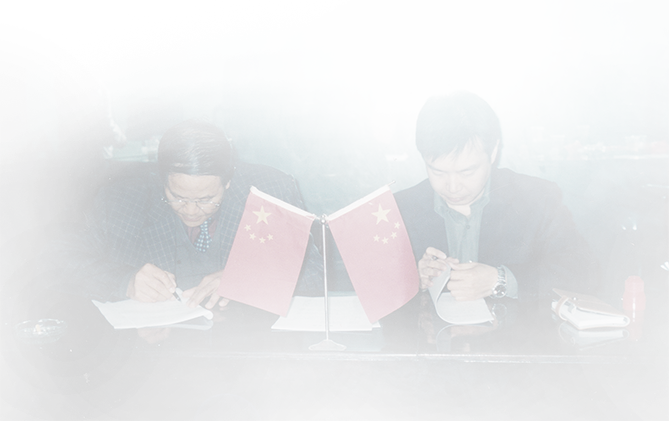
A historic signing moment from the 1970s, when HG’s founder helped drive the development of China’s food industry and began expanding into international markets.
Over the past decades, we have participated in the evolution of automated food production — from local factories to global turnkey projects across 100+ countries. That experience continues to shape every HG production line today.
Discover Our Heritage
Global Food Machinery &
Turnkey Factory Solutions

Building Long-Term Partnerships Through Shared Growth and Industrial Value.
Copyright © HG Industry Group All Rights Reserved
Food Machine Snack Food Processing Machinery

Unauthorized use of this website's content constitutes copyright infringement and may result in legal action.