 English
What kinds of biscuits can be made with a biscuit making machine?
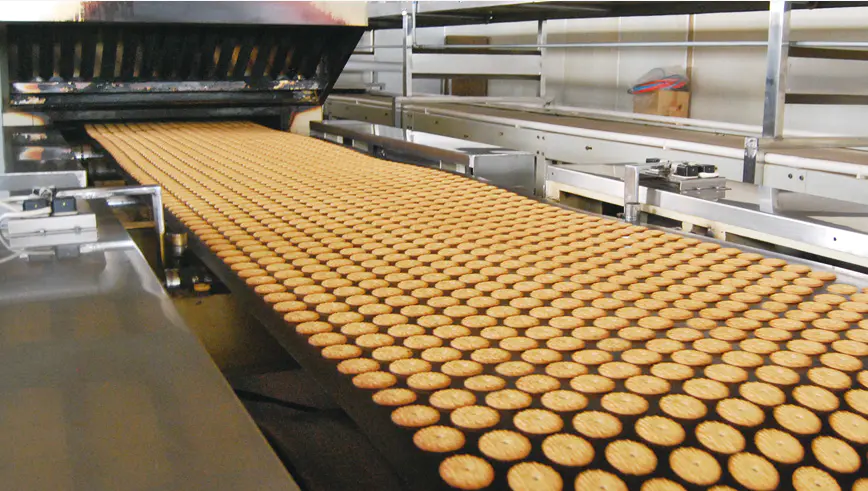
A biscuit making machine is the heart of any large-scale biscuit manufacturing operation, capable of churning out an astonishing array of biscuits to cater to diverse tastes and markets. Far from being limited to a single type, modern biscuit production lines are highly versatile, utilizing advanced technology to produce everything from delicate butter biscuits to robust digestives. Understanding the capabilities of this biscuit manufacturing equipment reveals the true breadth of its application.
1. Hard Biscuits: The Crisp and Crunchy Classics
Hard biscuits, characterized by their crisp texture and often lower fat content, are a staple in the biscuit world. The dough for these biscuits typically has a lower fat and sugar content and requires extensive sheeting and lamination processes, which a biscuit making machine handles with precision. Examples include:
-
Marie Biscuits: Light, slightly sweet, and famously absorbent, these are popular worldwide for dunking in tea or coffee.
-
Digestive Biscuits: Known for their crumbly texture and distinctive flavor, often enjoyed plain or as a base for cheesecakes.
-
Rich Tea Biscuits: Another classic "dunking" biscuit, very plain and subtly sweet.
-
Crackers/Savory Biscuits: While often considered a separate category, many savory biscuits, such as water crackers or cream crackers, are produced on similar biscuit production lines designed for hard doughs, often with added salt or other savory ingredients.
The biscuit manufacturing equipment for hard biscuits typically includes specialized dough mixers, multi-roll sheeters for precise dough thickness, and rotary cutters that stamp out the desired shapes before baking.
2. Soft Biscuits: Indulgent and Tender Treats
Soft biscuits, in contrast to hard biscuits, are characterized by their more tender, sometimes crumbly or cake-like texture. Their doughs are richer in fat and sugar, and the processing often involves rotary molding rather than cutting. A biscuit making machine designed for soft biscuits excels at:
-
Shortbread Biscuits: Rich, buttery, and crumbly, often simple in shape but decadent in taste.
-
Cookies (e.g., Chocolate Chip Cookies, Oatmeal Raisin Cookies): While often made in smaller batches, industrial biscuit production lines can produce vast quantities of various cookie types, incorporating inclusions like chocolate chips, nuts, or dried fruit.
-
Deposited Biscuits: These include various forms where the dough is piped or deposited onto the baking band, allowing for intricate shapes and textures often found in butter cookies or certain types of sandwich creams.
-
Fig Rolls/Filled Biscuits: Some advanced biscuit making machines are equipped to produce biscuits with fruit or cream fillings, where the dough encases a pre-portioned filling before baking.
The biscuit manufacturing equipment for soft biscuits often features specialized mixers for incorporating high levels of fat and sugar, and rotary moulders with engraved dies that gently shape the dough pieces without excessive pressure.
3. Sandwich Biscuits: Layers of Flavor
Sandwich biscuits are a popular category where two biscuits are joined together with a cream, jam, or chocolate filling. The versatility of a biscuit making machine extends to producing the individual biscuit components and then integrating them with a creaming and sandwiching machine. This allows for:
-
Cream Sandwich Biscuits: Classic combinations like vanilla cream, chocolate cream, or strawberry cream sandwiched between two plain or chocolate biscuits.
-
Jam Sandwich Biscuits: Biscuits filled with various fruit jams.
-
Chocolate Coated Sandwich Biscuits: Where the entire assembled sandwich biscuit is then enrobed in chocolate.
These require not only efficient biscuit production lines for the base biscuits but also precise cream depositors and sandwiching units as part of the overall biscuit manufacturing equipment.
4. Specialized Biscuits and Enrobed Varieties
Beyond the main categories, a sophisticated biscuit making machine can also be adapted for more specialized products and finishing processes:
-
Wire-Cut Biscuits: These are often denser, chewier biscuits where the dough is extruded and cut by wires. This method is common for certain cookie types and pet treats.
-
Glazed or Sugared Biscuits: Biscuits that receive a surface treatment of glaze or sugar crystals after baking.
-
Chocolate Enrobed Biscuits: A very popular category where plain or filled biscuits are partially or fully covered in chocolate, requiring additional chocolate tempering and enrobing lines integrated with the biscuit production line.
The integration of various modules—from mixing and forming to baking, cooling, and packaging—is what makes a modern biscuit making machine so capable. Whether it's a simple hard biscuit or a complex chocolate-enrobed cookie, the underlying biscuit manufacturing equipment is engineered for high-volume, consistent production.
The evolution of biscuit making machine technology continues to push the boundaries of what's possible in biscuit production, offering manufacturers the flexibility to innovate and meet ever-changing consumer demands. What kind of biscuit are you most interested in seeing produced on a large scale?

Copyright Shanghai HG(hengguang) Food Machinery Co.,Ltd. All Rights Reserved
