 English
How Can a Fully Automated Cake Production Line Revolutionize Your Bakery's Efficiency?
The Core Components of an Integrated Cake Production System
A professional cake production line is a sophisticated orchestration of machinery designed to ensure consistency, hygiene, and high output. The process begins with automated ingredient feeding and high-speed aeration mixers that create a uniform batter structure. Unlike manual baking, these systems utilize PLC (Programmable Logic Controller) technology to manage precise timing and temperature, ensuring every batch meets specific density and viscosity standards. This foundational stage is critical because even minor fluctuations in batter aeration can lead to structural failures during the baking process.
Precision Depositing and Portion Control
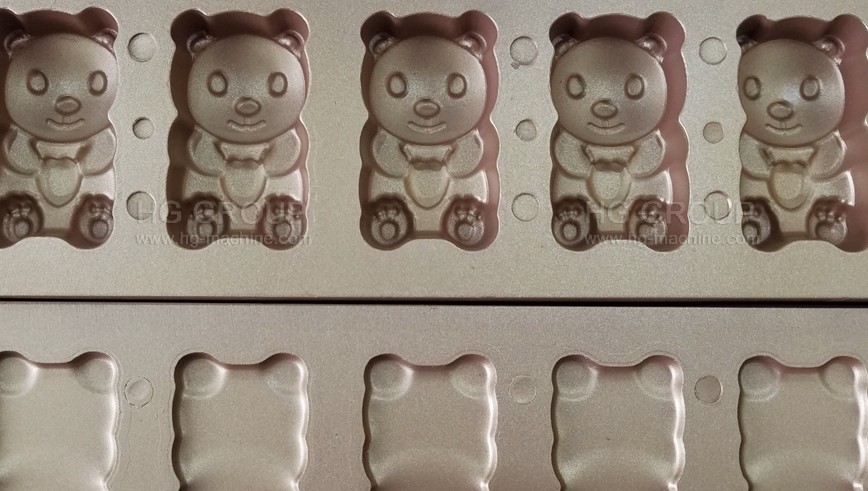
The depositing stage utilizes servo-driven pistons to inject specific volumes of batter into molds or onto a continuous belt. Modern depositors are equipped with "no tray, no deposit" sensors to prevent waste and maintain a clean working environment. These machines can handle various cake types, from sponge and chiffon to heavy pound cakes, by simply adjusting the nozzle configurations and stroke speed.
Advanced Baking and Cooling Technologies
The transition from depositing to baking occurs via tunnel ovens, which are the heart of the production line. These ovens use multi-zone temperature control to manage the rise, color, and moisture content of the cake. Heat distribution is typically achieved through indirect gas firing or electric convection, allowing for a stable baking profile that prevents the "sinking" effect often seen in uneven temperature environments. Once baked, the cakes must be cooled gradually to prevent condensation and structural collapse, often utilizing multi-tier spiral cooling towers that save floor space.
| Phase | Function | Key Technology |
| Pre-heating | Initial expansion | Infrared heating zones |
| Baking | Structure setting | Convection airflow control |
| Cooling | Moisture stabilization | Spiral ambient cooling |
Finishing, Injection, and Decoration Modules
For filled cakes, such as cupcakes or Swiss rolls, an injection module is integrated post-cooling. High-precision needles pierce the cake to deliver cream, jam, or chocolate fillings without damaging the exterior crumb. Decoration stations follow, where robotic arms or ultrasonic cutters ensure clean edges and artistic toppings. Ultrasonic cutting technology is particularly valuable in cake production as it uses high-frequency vibrations to slice through delicate layers and sticky fillings without causing deformation or product buildup on the blade.
- Ultrasonic slicing for clean, professional edges on layer cakes.
- Automated cream spreading for consistent thickness between layers.
- Vision-controlled topping systems that place garnishes with millimeter accuracy.
Sanitation and Safety Standards in Automation
Maintaining a hygienic production line is non-negotiable in the food industry. Modern cake lines are built with food-grade stainless steel (304 or 316) and feature "Clean-in-Place" (CIP) systems that allow for rapid washing and sanitizing without dismantling the entire assembly. This reduces downtime significantly during flavor changes or end-of-shift cleaning. Furthermore, integrated X-ray and metal detection units are placed before the final packaging stage to identify and reject any contaminated products, ensuring consumer safety and brand integrity.

Copyright Shanghai HG(hengguang) Food Machinery Co.,Ltd. All Rights Reserved
