 English


Query successful The Engine of Confectionery: The Evolution and Impact of the Cookie Making Machine
In the fast-paced world of commercial baking, few pieces of equipment are as critical and transformative as the cookie making machine. Far more than a simple kitchen appliance, this sophisticated technology is the backbone of high-volume confectionery production, ensuring the uniformity, efficiency, and scale necessary to meet global demand for one of the world's most beloved treats.
From Craft to Conveyor Belt: A Technological Journey
The journey of cookie production has evolved dramatically from the hands of the artisan baker to the fully automated production line. Modern industrial baking is characterized by precision and speed, and the advanced cookie making machine is central to this paradigm shift. These systems are no longer single-function tools but integrated, often modular, platforms capable of handling every phase from dough formation to pre-bake preparation.
Key to this evolution are various dough-forming technologies:
-
Wire-Cut Machines: Ideal for producing softer, chunky doughs like classic chocolate chip cookies. A wire mechanism cuts uniform pieces from an extruded dough block, ensuring consistent size and weight—a critical factor for even baking.
-
Rotary Moulders: These are used for harder doughs, such as shortbreads or biscuits. A rotating drum with engraved patterns presses the dough into intricate shapes and designs, offering high throughput and visual appeal.
-
Depositors and Extruders: These versatile machines use nozzles todepositorextrudea wide range of dough consistencies, making them perfect for dropped cookies, ladyfingers, and other fluid dough products, offering high flexibility for various recipes.
-
Encrusting Machines: A specialized innovation that allows for the creation of filled cookies, simultaneously forming the outer shell and injecting a center filling like jam, cream, or nuts.
Precision and Efficiency: The Core Value Proposition
For commercial bakeries and food manufacturers, the investment in a high-capacity cookie making machine delivers a significant return on investment primarily through:
-
Unmatched Consistency: In mass production, quality control is paramount. Automated systems use PLC (Programmable Logic Controller) and servo-drive technology to ensure that every cookie is precisely the same weight, size, and shape. This uniformity is crucial for baking consistency, packaging efficiency, and brand trust.
-
Optimized Throughput: Industrial machines operate continuously, significantly increasing production volume and reducing cycle times. A fully automatic line can produce thousands of cookies per hour, a feat impossible to achieve with manual labor alone.
-
Reduced Operational Costs: Automation minimizes the need for extensive manual handling, thereby reducing labor costs and the potential for human error and product waste. Furthermore, modern equipment often incorporates energy-efficient ovens and smart-sensor monitoring, which helps cut utility and maintenance expenses.

The Future is Smart: Automation and IoT Integration
The next generation of the cookie making machine is heavily influenced by Industry 4.0 principles. The trend is moving toward "smart manufacturing" where machines are integrated with the Internet of Things (IoT) and artificial intelligence (AI).
-
Real-Time Monitoring: Integrated smart sensors collect data on dough consistency, temperature, and line speed, allowing operators to make instant, data-driven adjustments via user-friendly digital interfaces.
-
Predictive Maintenance: AI and machine learning algorithms can analyze performance data to predict potential equipment failures before they occur, allowing for proactive maintenance that minimizes costly unplanned downtime.
-
Greater Customization: Manufacturers are increasingly demanding machines that can handle recipe variations (e.g., gluten-free, low-sugar) and quick changeovers. Modular designs and interchangeable heads allow a single cookie making machine to produce a diversified product portfolio, catering to evolving consumer preferences for specialized and healthier snacks.
In conclusion, the cookie making machine is an indispensable asset in the modern food industry. Its continued evolution—driven by demands for higher automation, greater flexibility, and operational sustainability—solidifies its role not just as a tool for production, but as a sophisticated technological solution that is constantly reshaping the global confectionery market.
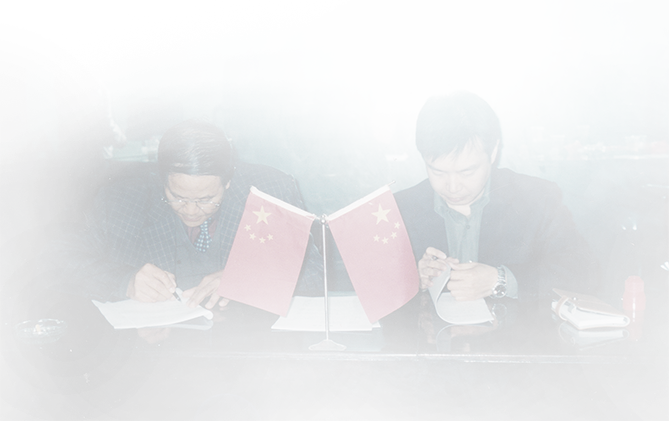
A historic signing moment from the 1970s, when HG’s founder helped drive the development of China’s food industry and began expanding into international markets.
Over the past decades, we have participated in the evolution of automated food production — from local factories to global turnkey projects across 100+ countries. That experience continues to shape every HG production line today.
Discover Our Heritage
Global Food Machinery &
Turnkey Factory Solutions

Building Long-Term Partnerships Through Shared Growth and Industrial Value.
Copyright © HG Industry Group All Rights Reserved
Food Machine Snack Food Processing Machinery

Unauthorized use of this website's content constitutes copyright infringement and may result in legal action.