 English
 中文简体
中文简体 日本語
日本語 русский
 عربى
عربى Український
 Español
 Français

From Flour to Flavor: The Engineering Secrets of High-Efficiency Compound Potato Chip Production
Content
The Core Process of Compound Potato Chip Manufacturing
Unlike traditional sliced chips, compound potato chips are engineered for consistency in shape, texture, and flavor. The production line begins with the precise blending of potato flakes, starch, and water. This mixture is processed into a uniform dough, which is then passed through heavy-duty rollers to create a continuous, thin sheet. The precision of this sheet's thickness is critical, as it determines the final crunch and oil absorption of the chip. Automated cutters then stamp out the iconic uniform shapes, usually oval or saddle-shaped, ensuring zero waste by recycling the remaining dough "web" back into the mixer.
Dough Preparation and Sheeting
The hydration of the dry ingredients must be perfectly balanced to ensure the dough is neither too brittle nor too sticky. Modern production lines utilize high-speed continuous mixers that provide a homogenous blend. Once the dough reaches the sheeting station, multiple reduction rollers gradually bring the dough to a thickness of approximately 0.5mm to 1.0mm. This gradual reduction prevents internal stresses in the dough, which could otherwise lead to cracking during the frying stage.
Advanced Frying and De-oiling Systems
The frying process for compound chips is highly specialized. To maintain their uniform shape, the cut dough pieces are often held between two metal molds or transported via a specific chain-link conveyor as they pass through the hot oil. This prevents the chips from curling uncontrollably. Temperature control is paramount; the oil must be kept at a steady heat to ensure even cooking while minimizing the formation of acrylamide. After frying, a high-velocity air stripper or a centrifugal de-oiler removes excess surface oil, ensuring the chips remain crisp and have a lower fat content.
Frying Parameters for Quality Control
| Parameter | Standard Range | Impact on Final Product |
| Oil Temperature | 170°C - 190°C | Crispness and Color |
| Frying Time | 45 - 90 Seconds | Moisture Content |
| Oil Turnover Rate | 4 - 6 Hours | Freshness and Shelf Life |
Automated Seasoning and Packaging Integration
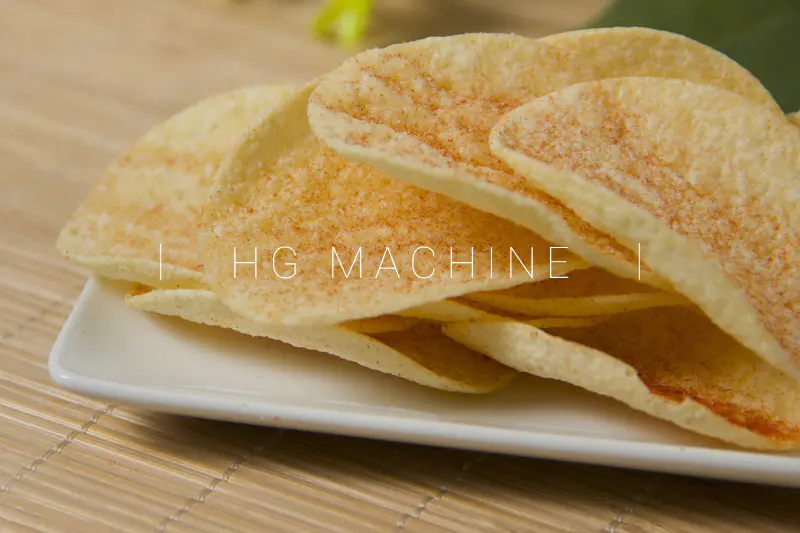
Once the chips are fried and cooled, they enter the seasoning drum. Because compound chips are uniform, seasoning can be applied more evenly than on traditional chips. Electrostatic seasoning systems are frequently used to ensure that the flavor powder adheres to every surface of the chip using a minimal amount of oil as a binder. This stage is followed by an automated stacking system. Since the chips are identical in shape, they are mechanically nested into stacks, which are then precisely weighed and slid into cylindrical canisters or rigid trays to prevent breakage during transport.
Key Features of Modern Production Lines
- PLC Control Systems: Allows for real-time monitoring of dough moisture, oil temperature, and line speed.
- Oil Filtration Units: Continuous removal of "fines" (small dough particles) to maintain oil quality.
- Modular Design: Facilitates easy cleaning (CIP) and quick maintenance to reduce downtime.
- Energy Recovery: Systems designed to capture heat from fryers to pre-heat water or air within the facility.
Ensuring Sustainability and Efficiency
The latest advancements in compound potato chip production lines focus on reducing the environmental footprint. By implementing closed-loop oil systems and high-efficiency burners, manufacturers can significantly reduce gas consumption. Furthermore, the ability to recycle 100% of the scrap dough from the cutting process makes the compound chip line one of the most efficient snack manufacturing processes in terms of raw material utilization. This combination of high output, low waste, and consistent product quality makes it a preferred choice for large-scale snack enterprises globally.
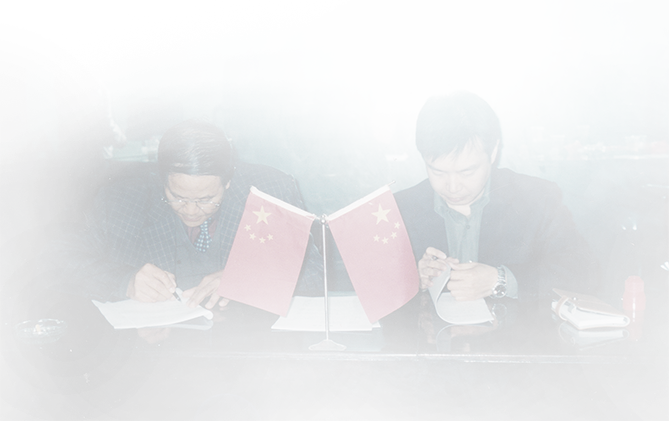
A historic signing moment from the 1970s, when HG’s founder helped drive the development of China’s food industry and began expanding into international markets.
Over the past decades, we have participated in the evolution of automated food production — from local factories to global turnkey projects across 100+ countries. That experience continues to shape every HG production line today.
Discover Our Heritage
Global Food Machinery &
Turnkey Factory Solutions

Building Long-Term Partnerships Through Shared Growth and Industrial Value.
Copyright © HG Industry Group All Rights Reserved
Food Machine Snack Food Processing Machinery

Unauthorized use of this website's content constitutes copyright infringement and may result in legal action.