 English


From Dough to Delight: The Engineered System of Baking Production Line Equipment
Content
The efficiency and scalability of modern bakeries are entirely dependent on sophisticated baking production line equipment. This machinery represents a significant industrial and technological investment, designed to execute complex culinary processes with mechanical precision and speed. The journey of dough through a professional bakery is a highly controlled, continuous flow, where each piece of equipment acts as a specialized, integrated component.
The Industrial Workflow: A System of Interconnected Machines
A professional-grade baking production line equipment setup is characterized by its dedication to consistency and volume, typically encompassing the following critical stages:
1. Pre-Mixing and Ingredient Handling
The foundation of product quality is accurate ingredient measurement and preparation.
Silo and Bulk Storage Systems: Large bakeries utilize automated silos for flour and sugar, alongside tanks for oils and liquids, ensuring continuous supply and minimizing manual handling.
Micro-Ingredient Dosing: Highly sensitive scales and feeders accurately dispense minor ingredients (like salt, yeast, and stabilizers) according to precise recipes, which is crucial for flavor and texture consistency.
2. Dough Development and Transfer
This stage focuses on achieving the optimal dough structure before shaping.
High-Intensity Mixers: These industrial mixers are equipped with specialized mixing tools and cooling jackets to control dough temperature during the kneading process, preventing premature fermentation and ensuring consistent gluten development.
Dough Conveyors and Chutes: Automated systems gently transport the often-fragile dough mass between mixers, dividers, and intermediate proofers, maintaining dough integrity.
3. Shaping, Panning, and Topping
The machinery here focuses on achieving the final marketable form.
Makeup Lines: This term refers to the sequence of equipment that divides, rounds, rests, and then moulds the dough. High-speed makeup lines can process thousands of pieces per minute for items like hamburger buns or rolls.
Pan Handling Systems: Automated depanners and panners seamlessly place shaped dough pieces into baking pans, and after baking, remove the finished product. Panning systems are often robotically controlled for precise placement.
Glazing and Seeding: Machines apply glazes (like egg wash) and evenly distribute toppings (like sesame or poppy seeds) just before the product enters the oven.
4. The Thermal Core: Baking and Energy Management
The oven is the most energy-intensive component, demanding precise control.
Modular and Hybrid Ovens: Modern ovens are often modular, allowing specific zones to be controlled independently. Hybrid ovens may use both radiant heat for crust development and forced convection for even baking, maximizing thermal efficiency.
Thermal Oil Systems: In some industrial setups, heated thermal oil is circulated to provide consistent, gentle heat across the entire oven surface, ideal for sensitive products like crackers or certain cakes.

5. Post-Bake Finishing and Packaging
The final steps secure the product's quality and market readiness.
Metal Detection and X-ray Inspection: Integrated into the cooling and packaging line, this safety equipment automatically scans and rejects any product containing foreign material, upholding critical food safety standards.
Automated Bagging and Clipping: High-speed packaging machines seal loaves with plastic bags and apply metal or plastic clips, often combined with automatic date coding and labeling systems.
Palletizers: Robotics automatically stack and wrap finished cases of baked goods onto pallets, preparing them for distribution.
The Professional Imperative: Hygiene and IoT
Modern baking production line equipment is heavily influenced by the Internet of Things (IoT) and strict hygienic design principles. Sensors throughout the line collect vast amounts of data—from belt speed and dough temperature to oven humidity and energy consumption. This data powers predictive maintenance, maximizing uptime, and allows for instantaneous remote diagnostics, ensuring the entire system operates at peak professional efficiency while minimizing product recalls and maximizing profitability.
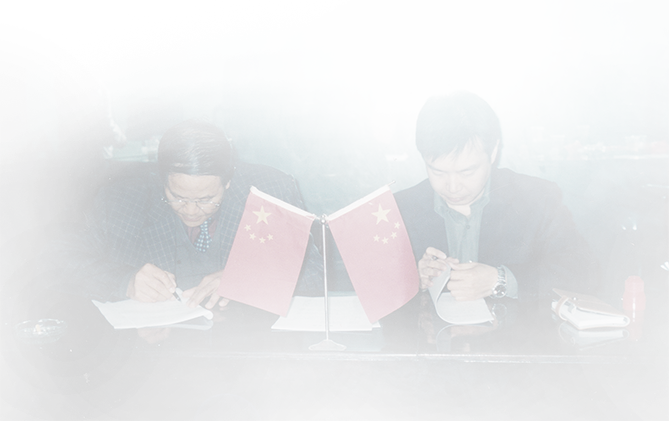
A historic signing moment from the 1970s, when HG’s founder helped drive the development of China’s food industry and began expanding into international markets.
Over the past decades, we have participated in the evolution of automated food production — from local factories to global turnkey projects across 100+ countries. That experience continues to shape every HG production line today.
Discover Our Heritage
Global Food Machinery &
Turnkey Factory Solutions

Building Long-Term Partnerships Through Shared Growth and Industrial Value.
Copyright © HG Industry Group All Rights Reserved
Food Machine Snack Food Processing Machinery

Unauthorized use of this website's content constitutes copyright infringement and may result in legal action.