 English
What machines are used to make potato chips?
Creating the perfect potato chip—crispy, golden, and evenly seasoned—is a process of precision that relies on a series of specialized machines. While the home cook might rely on a single peeler and a deep fryer, commercial production lines are a symphony of integrated equipment, each playing a critical role in transforming a humble potato into a beloved snack. The entire automated setup is often referred to as a potato chips making machine, a single term for a complex system.
Let's break down the journey of a potato through a modern production line, from farm-fresh to packaged perfection.
1. Washing and Peeling Machine
The journey begins with raw, unwashed potatoes. The first piece of equipment in the line is the potato washing and peeling machine. These machines use rotating brushes or abrasive drums to clean the potatoes and remove their skins with minimal waste. This ensures a clean surface and a smooth start to the process.
2. Slicing Machine
Once clean, the potatoes are fed into a high-speed slicing machine. This machine is the key to creating the uniform, thin slices that are the hallmark of a good potato chip. Manufacturers can adjust the blades to produce different cuts, from classic flat chips to wavy or ridged varieties. Uniform slice thickness is crucial for consistent frying and a perfect crunch.
3. Blanching Machine
After slicing, the chips go into a blanching machine. This is a short, hot-water bath that serves two important purposes:
-
It removes excess starch from the surface of the potato slices, which prevents them from sticking together during frying.
-
It deactivates enzymes that cause discoloration, ensuring the final product has a bright, appealing color. This step is essential for maintaining the chips' visual quality.
4. Dewatering/Drying Machine
Following the blanching process, the potato slices are still wet. The dewatering machine uses high-frequency vibrations or powerful air fans to remove excess surface water. Removing this water before frying is vital, as it prevents oil from splashing and shortens the overall frying time, leading to a crisper final product.
5. Frying Machine
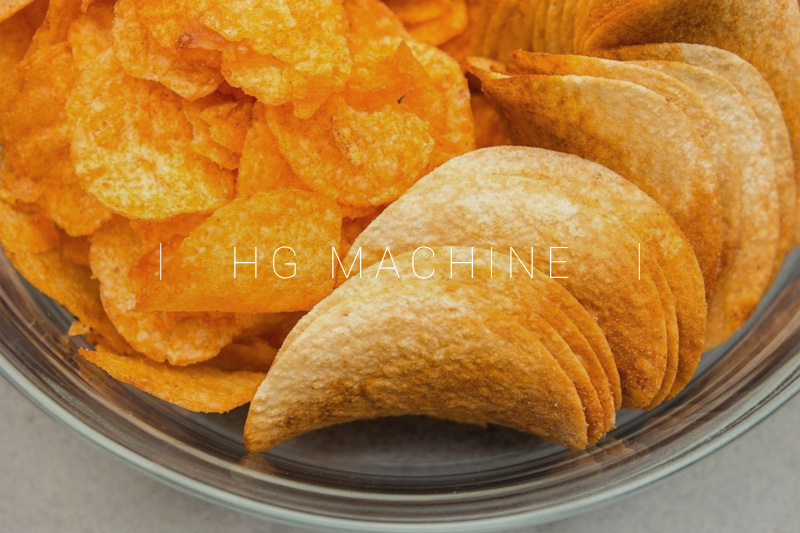
The frying machine is the heart of the potato chips making machine. It's a continuous fryer that uses a conveyor belt to move the chips through a bath of hot oil at a precisely controlled temperature. The cooking time and temperature are meticulously managed to achieve the ideal golden color and crispy texture. This is where the magic happens, turning the raw potato slice into a delicious, crunchy chip.
6. De-oiling Machine
After frying, the chips are still saturated with oil. The de-oiling machine uses a centrifugal force (similar to a salad spinner) to remove excess oil. This step is critical for reducing the fat content and improving the overall texture and crispness of the chips, while also reducing the amount of oil that needs to be replenished in the fryer.
7. Seasoning Machine
With the chips cooked and de-oiled, it's time for flavor. The seasoning machine is a rotating drum that tumbles the chips while a fine mist of oil and a precise amount of powdered seasoning are applied. This ensures an even coating, guaranteeing that every chip is perfectly seasoned.
8. Packaging Machine
Finally, the finished chips are conveyed to the packaging machine. This highly automated machine weighs the chips, fills them into bags, and seals them with an airtight seal, often with a nitrogen flush to preserve freshness and crispiness. This final step protects the product from moisture and air, ensuring it reaches the consumer in perfect condition.
This interconnected series of machines, from washing to packaging, defines the modern potato chips making machine. It's a testament to engineering that allows for the mass production of a consistently high-quality, delicious snack enjoyed by millions worldwide.

Copyright Shanghai HG(hengguang) Food Machinery Co.,Ltd. All Rights Reserved
