 English
The Ultimate Guide to Biscuit Making Machines: Choosing the Right One for Your Needs
1. Introduction
The aroma of freshly baked biscuits is a universal comfort, and the global biscuit industry is a testament to this enduring appeal. Valued at hundreds of billions of dollars, this market continues to grow, driven by consumer demand for convenient, varied, and high-quality snacks. For manufacturers, keeping pace with this demand requires more than just a good recipe; it demands efficiency, consistency, and scale. This is where the biscuit making machine becomes an indispensable asset.
Investing in a dedicated biscuit making machine is a strategic move for any business, from small-scale bakeries to large-scale industrial producers. These machines automate and streamline the most labor-intensive parts of biscuit production, ensuring uniform product quality, significantly increasing output, and reducing labor costs. They transform a complex, manual process into a continuous, high-speed operation, allowing businesses to meet market demands and explore new product lines with ease.
2. Types of Biscuit Making Machines
The world of biscuit making machines is diverse, with different technologies designed for specific dough types and biscuit characteristics. Understanding these distinctions is crucial for selecting the right equipment for your production needs.
Rotary Molder Machines
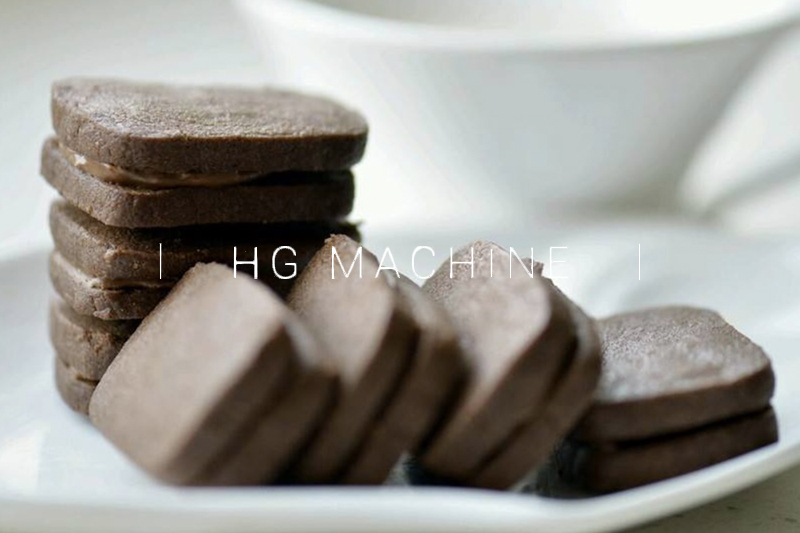
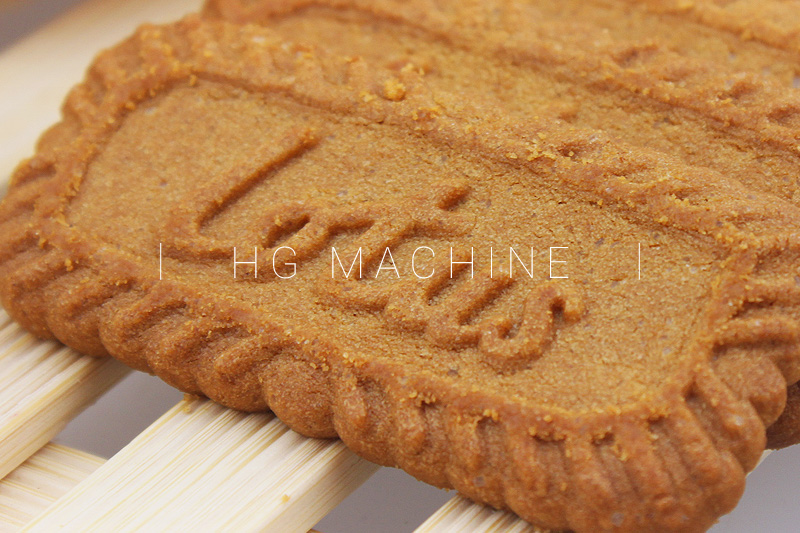
How They Work: Rotary molder machines are ideal for producing soft dough biscuits like shortbread, cookies, and some types of crackers. The dough is fed into a hopper and pressed into the cavities of a rotating brass or plastic die roller. A doctor blade then scrapes off excess dough, leaving the perfectly formed biscuit dough pieces in the cavities. A canvas or rubber belt then receives the dough pieces as they are ejected from the die.
Advantages and Disadvantages: Their primary advantage is the ability to create intricate, well-defined shapes and embossed patterns with high precision. They are highly efficient for large-volume production of a single product type. However, they are not suitable for hard, stiff doughs and may have limited flexibility for different biscuit shapes unless new dies are purchased.
Best Suited Biscuit Types: Shortbread, butter biscuits, jam-filled cookies, and any soft dough biscuit requiring detailed patterns or logos.
Dough Sheeter Machines
How They Work: Dough sheeters are used for hard dough biscuits, such as crackers, digestives, and Marie biscuits. They function by progressively reducing a large lump of dough into a thin, uniform sheet. The dough is passed through a series of rollers that gradually flatten and stretch it to the desired thickness. The sheet is then cut into shapes by a rotary cutter before being transferred to the baking oven.
Advantages and Disadvantages: These machines excel at handling stiff, low-fat doughs and are highly versatile for producing a wide range of flat-surfaced biscuits. The resulting biscuits have a crisp, layered texture. A potential disadvantage is that they require more floor space than other types of machines due to the length of the sheeting and cutting line.
Best Suited Biscuit Types: Crackers, soda crackers, digestives, and rich tea biscuits.
Wire-Cut Machines
How They Work: Wire-cut machines are used for producing biscuits from medium-consistency doughs, often with inclusions like chocolate chips, nuts, or oats. Dough is extruded through dies, and a wire cutter then slices the dough into individual pieces as it emerges. The cut pieces fall directly onto a conveyor belt for baking.
Advantages and Disadvantages: Their key advantage is their ability to handle doughs with particulates without damaging them. They are also very flexible, allowing for easy changes in biscuit size and shape by simply swapping the dies and adjusting the cutting wire. The downside is that they cannot produce the intricate patterns or precise shapes of rotary molders.
Best Suited Biscuit Types: Chocolate chip cookies, oatmeal cookies, and other biscuits with solid inclusions.
Extruder Machines
How They Work: Extruder machines force dough through a shaped die under pressure. This process is commonly used for producing biscuits with a unique cross-section or for snack foods. The dough is pushed through the die, and a knife or a series of knives cuts the continuous stream of dough into individual pieces.
Advantages and Disadvantages: Extruders are highly versatile and can create a wide variety of shapes, including hollow, filled, or irregularly shaped products. They are also space-efficient and can handle a range of dough consistencies. However, they are not ideal for producing the classic flat-shaped biscuits and are more often used for novelty or snack items.
Best Suited Biscuit Types: Pretzel sticks, some types of savory snacks, and specialized novelty biscuits.
3. Key Features to Consider
Choosing the right biscuit making machine is a critical investment that can define the success and scalability of a production line. Beyond the basic machine type, several key features must be carefully evaluated to ensure the equipment meets your specific operational needs.
Capacity and Output
The most fundamental consideration is the machine’s capacity. This is typically measured in kilograms per hour (kg/hr) or biscuits per hour. It’s essential to match the machine’s output to your current production needs while also considering future growth. A machine with too little capacity will create a bottleneck, limiting your potential, while one with excessive capacity may represent an unnecessary initial investment and higher energy costs. Analyze your sales projections and peak demand periods to determine the ideal output range.
Automation Level
Biscuit making machines range from semi-automatic to fully automatic systems.
Semi-automatic machines often require manual intervention for tasks like feeding dough or arranging biscuits on baking trays. These are suitable for small-scale operations, specialty bakeries, or those with limited budgets. They offer a balance between automation and hands-on control.
Fully automatic machines handle every step, from dough preparation and shaping to transferring the biscuits to the oven. These are the gold standard for high-volume industrial production, minimizing labor costs and ensuring maximum consistency. The initial investment is higher, but the long-term efficiency gains and reduction in human error often justify the cost.
Material and Hygiene
In food production, hygiene is non-negotiable. The machine’s construction material is paramount. Look for equipment made from food-grade stainless steel (304 or 316). This material is non-corrosive, easy to clean, and resistant to bacteria, ensuring that your products are safe and meet all health and safety regulations. The design should also prioritize ease of cleaning and sanitation, with easily removable parts and smooth surfaces that prevent dough buildup and contamination.
Dough Compatibility
Not all machines are created equal when it comes to handling different dough consistencies.
Rotary molders are designed for soft, pliable doughs.
Dough sheeters are built for stiff, hard doughs.
Wire-cut machines can handle a wider range, including doughs with inclusions.
Ensure the machine you choose is compatible with the specific dough recipes you plan to use. If your product line includes both soft cookies and hard crackers, you may need to invest in different types of machines or a more versatile system that can be adapted.
Customization Options
The ability to customize your products is a significant competitive advantage. Look for machines that offer a variety of interchangeable die shapes and sizes. This flexibility allows you to easily switch between different biscuit designs, create seasonal or limited-edition products, and respond to changing market trends without needing to buy a new machine.
Control Panel and Interface
A modern biscuit making machine should have a user-friendly control panel and interface. A clear, intuitive system makes it easy for operators to adjust settings for speed, pressure, and temperature. Features like a PLC (Programmable Logic Controller) allow for storing different recipes, making it simple to switch production between various biscuit types with the press of a button.
Safety Features
Operator safety is a top priority. A quality machine will include essential safety features such as:
Emergency stop buttons that are easily accessible.
Safety guards or interlocks that prevent the machine from operating when a door is open or a component is exposed.
Overload protection for motors to prevent damage from mechanical stress.
Prioritizing a machine with robust safety features protects your employees and your investment.
4. How to Choose the Right Machine
Selecting the ideal biscuit making machine is a strategic decision that goes beyond simply picking a model. It requires a thorough evaluation of your business needs, budget, and long-term goals. Follow these steps to make an informed choice that will serve your production line for years to come.
1. Assess Your Production Needs
Before you even start looking at machines, take a hard look at your business.
Volume: What is your current production volume, and what do you project it to be in the next 3-5 years? This will dictate the required capacity of your machine.
Types of Biscuits: What kind of biscuits do you produce? Are they hard dough, soft dough, or do they contain inclusions? The type of product you make will narrow down the machine types (e.g., sheeter vs. rotary molder).
Future Growth: Are you planning to expand your product line? Consider a machine that offers the flexibility to produce a variety of biscuit types if you anticipate diversification.
2. Evaluate Your Budget
The cost of a biscuit making machine can vary widely. Your budget should account for more than just the initial purchase price.
Initial Investment: This includes the cost of the machine itself, shipping, and installation.
Running Costs: Factor in energy consumption, which can be significant for large, high-capacity machines.
Maintenance: Allocate a budget for routine maintenance, spare parts, and potential repairs. Remember that a higher-quality, more expensive machine may have lower long-term maintenance costs and better reliability.
3. Research and Compare
Once you have a clear idea of your needs and budget, it’s time to research.
Manufacturers and Suppliers: Identify reputable manufacturers and suppliers known for quality and reliability. Look for companies with a long history in the industry and a strong reputation.
Models: Compare different models from various manufacturers based on the key features discussed earlier: capacity, automation level, material, and customization options.
Specifications: Scrutinize the technical specifications, including power requirements, dimensions, and operational settings.
4. Read Reviews and Testimonials
Don’t rely solely on marketing materials from the manufacturers.
Customer Feedback: Search for reviews and testimonials from other businesses that have purchased and used the machines you are considering.
Case Studies: Many manufacturers provide case studies on their websites, detailing how their machines have helped other companies. This can provide valuable insights into real-world performance.
Industry Forums: Participate in industry forums or online communities to ask for recommendations and honest feedback from fellow professionals.
5. Consider After-Sales Service
The relationship with your supplier doesn’t end with the sale. A reliable after-sales service is crucial for minimizing downtime and ensuring smooth operations.
Warranty: What is the length and coverage of the warranty? A longer and more comprehensive warranty indicates a manufacturer’s confidence in their product.
Maintenance and Support: Does the supplier offer a maintenance plan or technical support? Find out how easily you can get help if a problem arises.
Spare Parts Availability: Are spare parts readily available, or will you face long waiting times for replacements? In the event of a breakdown, quick access to parts is essential to get your production line back up and running.
5. Maintenance and Troubleshooting
A biscuit making machine is a complex piece of equipment, and like any machinery, it requires regular care to perform optimally and extend its lifespan. A proactive approach to maintenance can prevent costly breakdowns and ensure consistent product quality.
Regular Cleaning and Sanitation
Hygiene is paramount in the food industry. Daily cleaning should be a part of your standard operating procedure.
Remove Debris: After each production run, thoroughly remove any leftover dough scraps, flour dust, and biscuit crumbs from all parts of the machine, including rollers, cutters, and conveyor belts.
Sanitation: Use food-safe sanitizing agents to clean all surfaces that come into contact with the dough. Follow the manufacturer’s guidelines for cleaning agents and methods to avoid damaging the machine’s components.
Deep Cleaning: Schedule periodic deep cleaning sessions to dismantle and sanitize parts that are not accessible during daily cleaning, such as internal gears or enclosed areas.
Preventative Maintenance
Preventative maintenance is about identifying and addressing potential issues before they cause a failure.
Lubrication: Regularly lubricate moving parts such as chains, gears, and bearings according to the manufacturer’s recommendations. Proper lubrication reduces friction and wear, preventing premature component failure.
Inspections: Conduct routine inspections of belts, motors, and other critical components. Check for signs of wear and tear, such as cracks in belts or unusual noises from motors.
Calibration: Ensure all sensors, cutters, and rollers are properly calibrated. Misalignment can lead to uneven biscuit shapes or inconsistent baking.
Common Issues and Solutions
Even with the best maintenance plan, issues can arise. Here are some common problems and their potential solutions:
-
Dough Sticking to Rollers or Cutters:
Issue: The dough is too sticky or the machine is not properly lubricated.
Solution: Adjust the dough’s consistency by adding a small amount of flour. If the problem persists, check the machine’s temperature and humidity settings, as environmental factors can affect dough behavior. Ensure the rollers and cutters are clean and, if applicable, dusted with flour to prevent sticking.
-
Uneven Biscuit Shapes or Thickness:
Issue: Rollers are misaligned or the dough sheet is not uniform.
Solution: Re-calibrate the rollers to ensure they are evenly spaced. Check for any blockages or buildup in the dough hopper that might be causing inconsistent dough flow.
-
Mechanical Failures (e.g., motor overheating, strange noises):
Issue: A component is under stress or nearing the end of its life.
Solution: Immediately stop the machine and consult the user manual or contact a technician. Do not attempt to operate a machine that is making unusual noises. This could lead to a more catastrophic failure and costly repairs. Regular preventative maintenance can often catch these issues before they become serious.
6. Conclusion
The biscuit making machine is more than just a piece of equipment; it is the heart of a modern, efficient biscuit production line. The journey from a simple mix of flour and sugar to a perfectly formed, consistent biscuit is a testament to the power of automation and precision engineering.
By understanding the different types of machines—from the artistic rotary molder to the robust dough sheeter—and by carefully considering key features like capacity, automation, and hygiene, businesses can make a strategic investment that pays dividends. A well-chosen machine, supported by a strong maintenance plan and a reliable supplier, will not only meet current market demands but also provide the flexibility and scale needed to innovate and grow. As consumer tastes evolve and the global market expands, the future of biscuit production lies in leveraging these smart, powerful, and reliable machines to create the snacks that people love, one perfect biscuit at a time.


Copyright Shanghai HG(hengguang) Food Machinery Co.,Ltd. All Rights Reserved
