 English
Mastering the Art of Frozen French Fries Machine
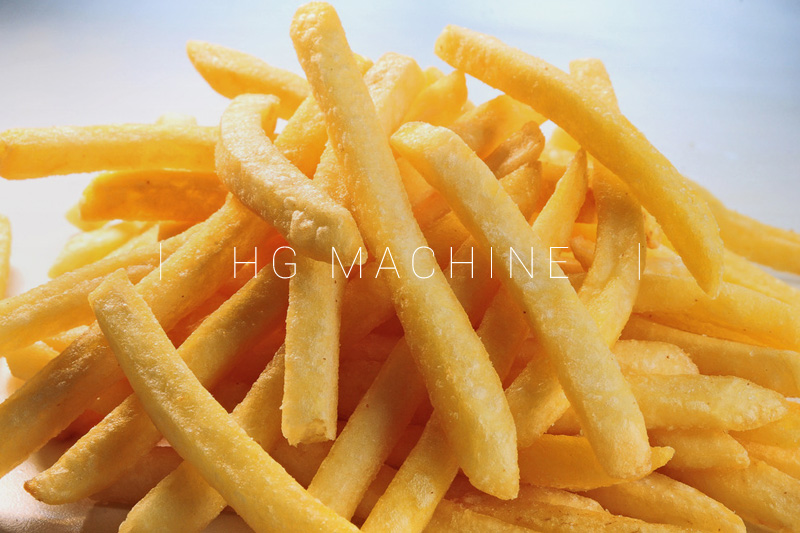
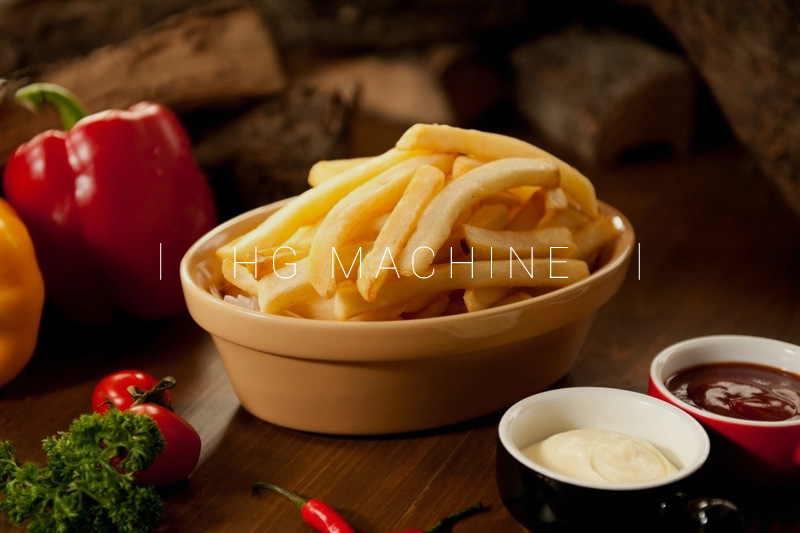
The global demand for frozen french fries is a testament to their universal appeal. For businesses aiming to capitalize on this market, understanding the technology behind a modern frozen french fries machine is non-negotiable. This isn't just about a single piece of equipment; it's about a sophisticated, integrated system that transforms raw potatoes into a consistent, high-quality, and profitable product.
Let's break down the journey from a simple potato to a perfectly frozen fry.
The Anatomy of a French Fry Production Line
A complete frozen french fry line is a series of interconnected machines, each with a critical role:
1. Preparation and Peeling: The process begins with raw potatoes entering a washing and peeling machine. Here, powerful water jets and abrasive rollers work in tandem to clean the potatoes and remove their skins. The goal is maximum efficiency with minimal waste.
2. Precision Cutting: Next, the potatoes are conveyed to a cutting machine. Using high-pressure water jets or razor-sharp blades, this machine slices the potatoes into uniform strips. This step is crucial for ensuring every fry cooks evenly, delivering a consistent texture and appearance.
3. Blanching for Perfection: The newly cut fries are then submerged in hot water in a blanching machine. This brief, high-temperature bath serves two key functions: it deactivates enzymes that cause browning and removes excess starch, which prevents the fries from sticking together. This is a vital step for achieving that signature crispy exterior.
4. Drying and Par-Frying: After blanching, the fries are dried to remove surface moisture. This is a critical step before they enter the continuous frying machine. Here, they are "par-fried" in oil at a carefully controlled temperature. This initial frying process is what gives the fries their golden color and mouthwatering flavor.
5. Freezing for Freshness: Immediately after frying, the fries are de-oiled and then rapidly frozen in a continuous freezing tunnel. This flash-freezing process is essential. By quickly dropping the temperature, it preserves the fries' texture and prevents the formation of large ice crystals that can degrade quality.
6. Automated Packaging: The final stop is the packaging machine. The now-frozen fries are weighed, bagged, and sealed in airtight packages, ready for distribution to restaurants and consumers worldwide.
What to Consider Before You Invest
Making the right investment in a frozen french fries machine requires careful thought. Here are the key factors to evaluate:
-
Production Volume: Your first decision should be about scale. Are you planning for a small-scale operation or a large industrial plant? Machine capacities are measured in kilograms or tons per hour, and choosing the right size is critical for profitability.
-
Automation and Labor: A fully automated line minimizes human intervention, cutting labor costs and increasing consistency. However, semi-automated lines can be a more budget-friendly option for smaller businesses.
-
Energy Efficiency: The frying and freezing stages are major energy consumers. Look for machines with advanced insulation and heat recovery systems to significantly reduce long-term operational costs.
-
Food Safety and Materials: Ensure the equipment is made from food-grade stainless steel for hygiene and durability. Ease of cleaning and maintenance is crucial for meeting food safety standards and maximizing uptime.
-
Flexibility and Customization: The ability to process different potato varieties and produce various cuts—from shoestring to crinkle-cut fries—allows you to adapt to market trends and expand your product offerings.
Investing in a frozen french fries machine is a strategic move that can unlock significant opportunities. By understanding the technology and asking the right questions, you can ensure your operation is not just productive, but also efficient, safe, and poised for growth.

Copyright Shanghai HG(hengguang) Food Machinery Co.,Ltd. All Rights Reserved
